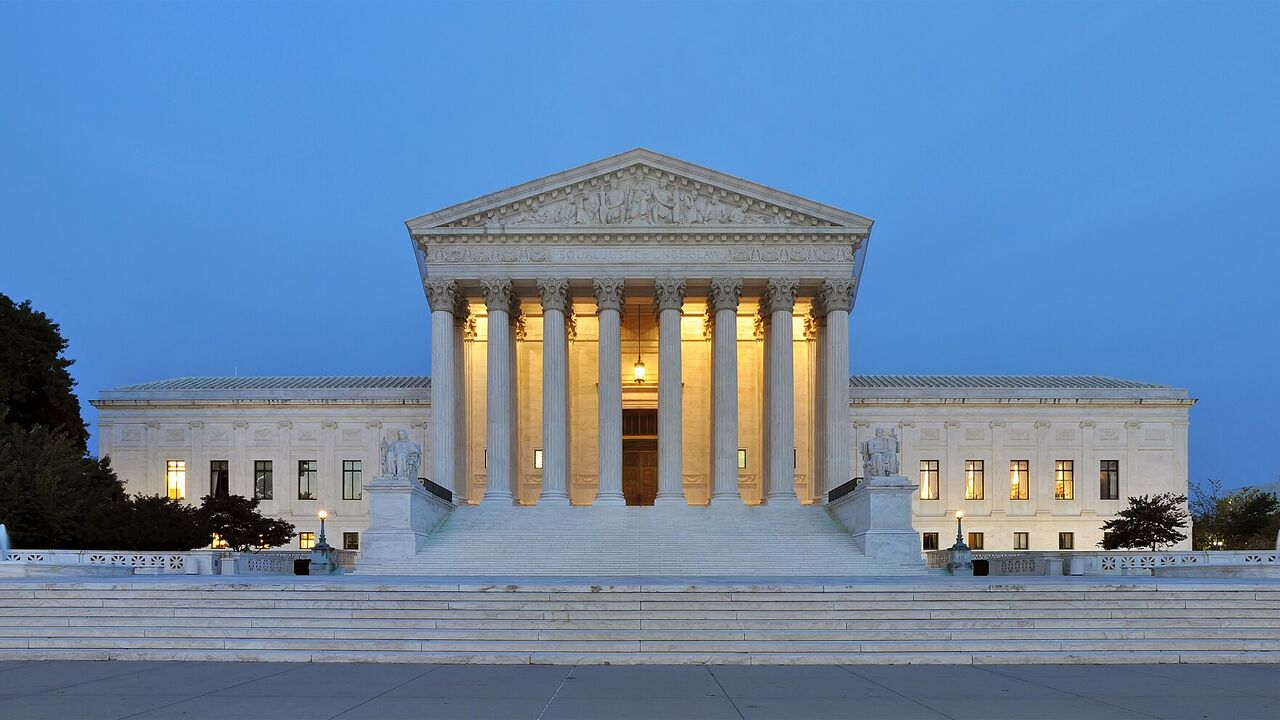
The Supreme Court on Nov. 5 heard consolidated arguments in Learning Resources, Inc. v. Trump and Trump v. V.O.S. Selections, Inc., the challenges to the president's use of the International Emergency Economic Powers Act to impose sweeping global tariffs. The justices spent much of the session on whether the power to regulate trade includes the power to tax imports, and several signaled concern about how much authority the administration's reading would hand the executive. For business owners who import goods, the most consequential question was raised only briefly: if the tariffs are struck down, how would anyone get money back.
What changed
The court agreed to hear the cases on an expedited schedule and allotted one hour for argument, according to the SCOTUSblog case file. Solicitor General D. John Sauer argued for the government; Neal Katyal argued for the private challengers and Oregon Solicitor General Benjamin Gutman for the states.
According to an analysis by law firm Steptoe, questioning ranged from whether tariffs function as taxes or regulatory tools to the statutory text and the constitutional limits on delegating power. The liberal justices were skeptical of the government's position, Justices Kavanaugh and Alito were critical of the challengers, and Justices Barrett and Gorsuch, along with Chief Justice Roberts, at times pressed the administration. The Court of International Trade had earlier ruled the tariffs contrary to law. A decision could come within months.
Who is affected
Refund rights generally belong to the importer of record, the party that paid duties to U.S. Customs and Border Protection. That includes many closely held companies and family-owned businesses that bring in inventory, components or equipment. Customers who absorbed tariff costs through higher prices are in a harder spot. Holland & Knight notes that downstream parties face complex recovery issues shaped by their contracts, since customs law runs to the importer.
The after-tax math
The refund mechanics revolve around liquidation, the point at which customs finalizes the duty on an entry. Faegre Drinker says liquidation typically occurs about 314 days after entry, and an importer must file an administrative protest within 180 days of liquidation. If customs denies the protest, the importer has 180 days to seek review in the Court of International Trade. Steptoe notes that in some past cases the court has allowed a direct suit without a protest, with refunds covering payments made within two years of filing.
Example, using an assumed tariff rate for illustration: a family-owned distributor imports $5 million of goods in May 2025 and pays an assumed 15% IEEPA duty, or $750,000.
| Milestone | Approximate timing |
|---|---|
| Entry and duty payment | May 2025 |
| Liquidation, about 314 days later | March 2026 |
| Protest deadline, 180 days after liquidation | September 2026 |
If the court rules against the tariffs but the distributor lets that protest window lapse, its path to the $750,000 could depend on litigation over whether finalized entries can be reopened. Faegre Drinker notes the government has previously stipulated that courts may order reliquidation, with interest, when duties are finally found unlawful, but it is unclear whether that position would extend to all importers. For a pass-through business, a refund would also raise questions about how and when it is reported for income tax purposes.
Moves to discuss with your advisor
- Building an entry-by-entry schedule of IEEPA duties paid, liquidation dates and protest deadlines.
- Discussing with trade counsel whether protective protests or a separate suit best preserve refund rights.
- Reviewing supply contracts to see whether customers or suppliers have claims to any recovered duties.
- Asking a CPA how duties were deducted or capitalized, which affects the tax treatment of any refund.
What to watch
Even if the challengers win, the administration could turn to other authorities. Steptoe notes that Section 122 of the Trade Act of 1974 permits tariffs of up to 15% for 150 days, Section 338 of the Tariff Act of 1930 allows tariffs of up to 50% on countries that discriminate against U.S. commerce, and Sections 232 and 301 allow tariffs after formal investigations. The Senate passed a symbolic resolution opposing the global tariffs 51-47 on Oct. 30. Business owners should expect tariff costs to remain a planning variable regardless of the ruling.
Sources
- First reported SCOTUS Hearing on IEEPA Tariffs: Key Takeaways and Next Steps — Steptoe
- Learning Resources, Inc. v. Trump — SCOTUSblog
- IEEPA Tariff Refunds and Follow-On Litigation — Faegre Drinker
- Tariff and Refund: Potential Refund Issues After Supreme Court Hears Arguments in IEEPA Cases — Holland & Knight
After TAX is an independent publication. Articles are general information, not tax, legal or investment advice. Consult a licensed professional about your situation.


