Coverage
Business Owners
Pass-throughs, the QBI deduction and selling a company.
19 stories
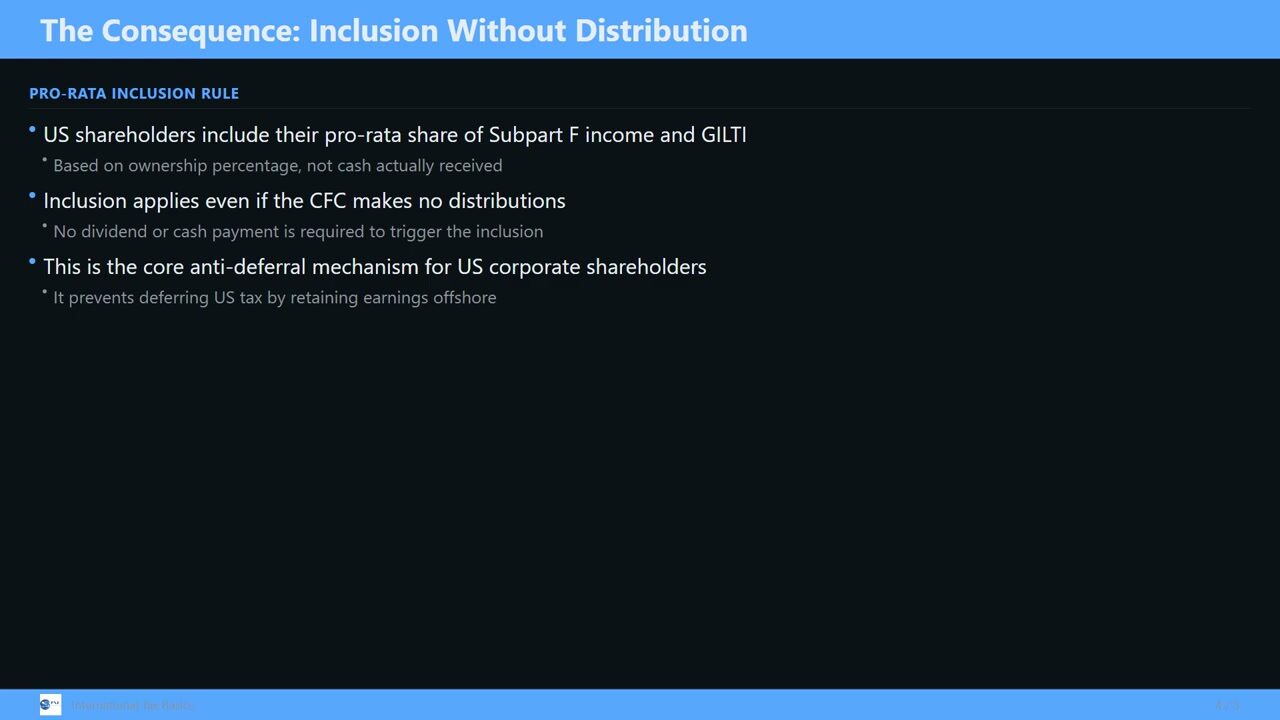
Proposed regulations would tax a founder's or investor's share of a foreign subsidiary's income based on how many days they held the shares, closing a planning window that let a mid-year seller escape the tax entirely.
The IRS said its decades-old FIRE e-file system stops accepting 1099s and other information returns on November 19, 2026, forcing owners, landlords and family offices onto the newer IRIS platform.
The regulations explain how a business can fund children's Trump accounts as an employee benefit, and how nondiscrimination tests limit programs that favor owners and top earners.
Guidance on the now-permanent Section 45S credit explains how companies can base the credit on leave insurance premiums and extends eligibility to part-timers working 20 hours a week.
In Prezioso v. Commissioner, the Tax Court focused less on the size of the deductions than on the pattern of concealment, from home renovations to a boat and a Ferrari lease.
In Beveled Edge Insurance, the court said the codified economic substance doctrine can strip a captive's tax benefits without erasing the whole arrangement, and left penalties on the table for trial.
A federal judge vacated IRS Notice 2025-42 on June 6, restoring a bright-line path to begin construction, but an expected appeal leaves project owners and tax-equity investors weighing real risk.
The IRS announced a way for business owners facing an Employee Retention Credit disallowance to extend the two-year deadline for administrative appeal or a refund lawsuit, but only if they act before six months remain.
A new proposal would remove the transaction-of-interest reporting regime for related-party partnership basis adjustments and let participants treat it as if it never took effect.
Revenue Procedure 2026-15 lifts the luxury-auto depreciation ceilings slightly for 2026, but the bigger number for owners buying a heavy SUV is the separate $32,000 Section 179 limit paired with full bonus depreciation.
A memorandum decision in Otay Project LP v. Commissioner shows how the IRS unwinds a partnership basis step-up it views as engineered mainly for tax deferral.
The February 20 guidance defines which manufacturing, agricultural and refining buildings qualify for an immediate write-off, sets tight construction and placed-in-service windows, and flags a 10-year recapture trap.
A Fifth Circuit ruling says state-law limited partners can skip self-employment tax on their share of the business even if they help run it, reversing an IRS test used in Texas, Louisiana and Mississippi.
Payment apps and online marketplaces need not issue a 1099-K unless a payee tops both $20,000 and 200 transactions. Fewer forms change what the IRS sees, not what counts as taxable income.
New IRS FAQs explain how the July tax law cuts off unpaid Employee Retention Credit claims for late 2021 filed after Jan. 31, 2024, while a longer assessment period keeps paid claims open to review.
The agency pulled back 2024 proposals that would have tightened Section 355, leaving current, more flexible law in place for owners planning to divide a closely held company.
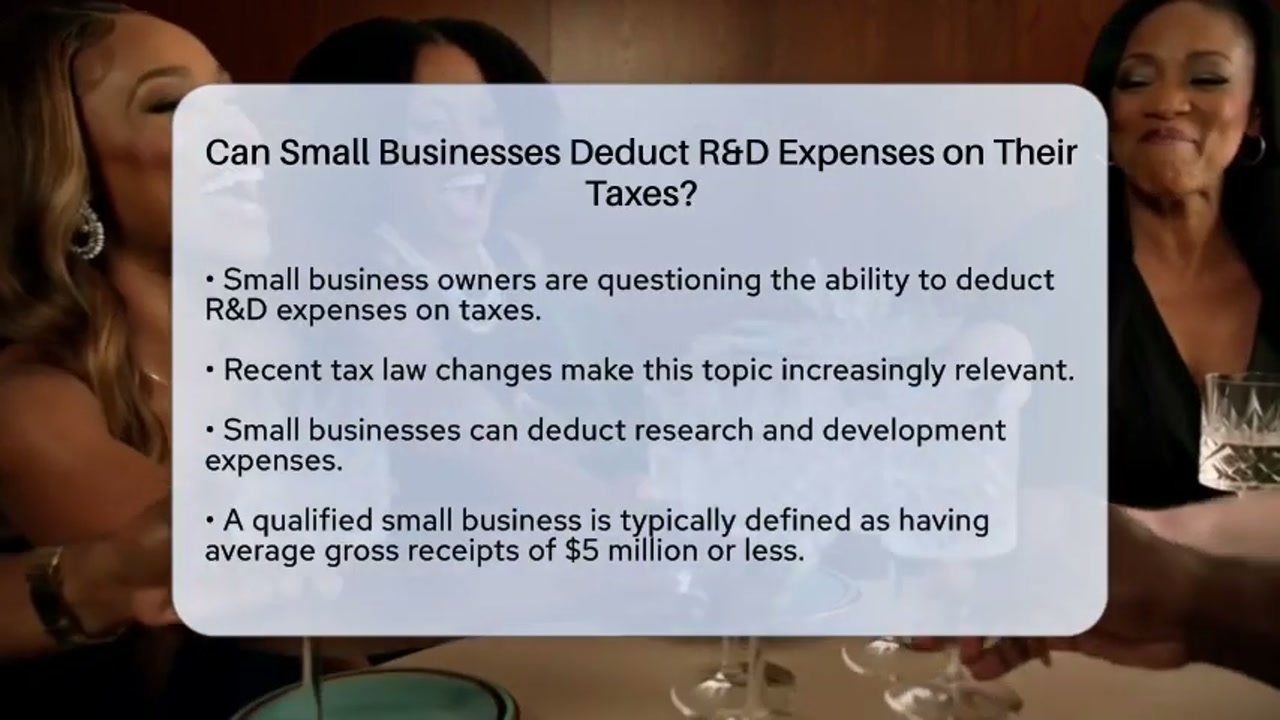
Rev. Proc. 2025-28 lets companies with up to $31 million in gross receipts amend 2022 through 2024 returns to expense domestic research, with a July 6, 2026 deadline for the retroactive election.
The new tax law restores full first-year write-offs for property acquired after January 19, 2025, and more than doubles Section 179, changing how owners time big purchases.
 September 4, 2026 at 10:41 AM PDT