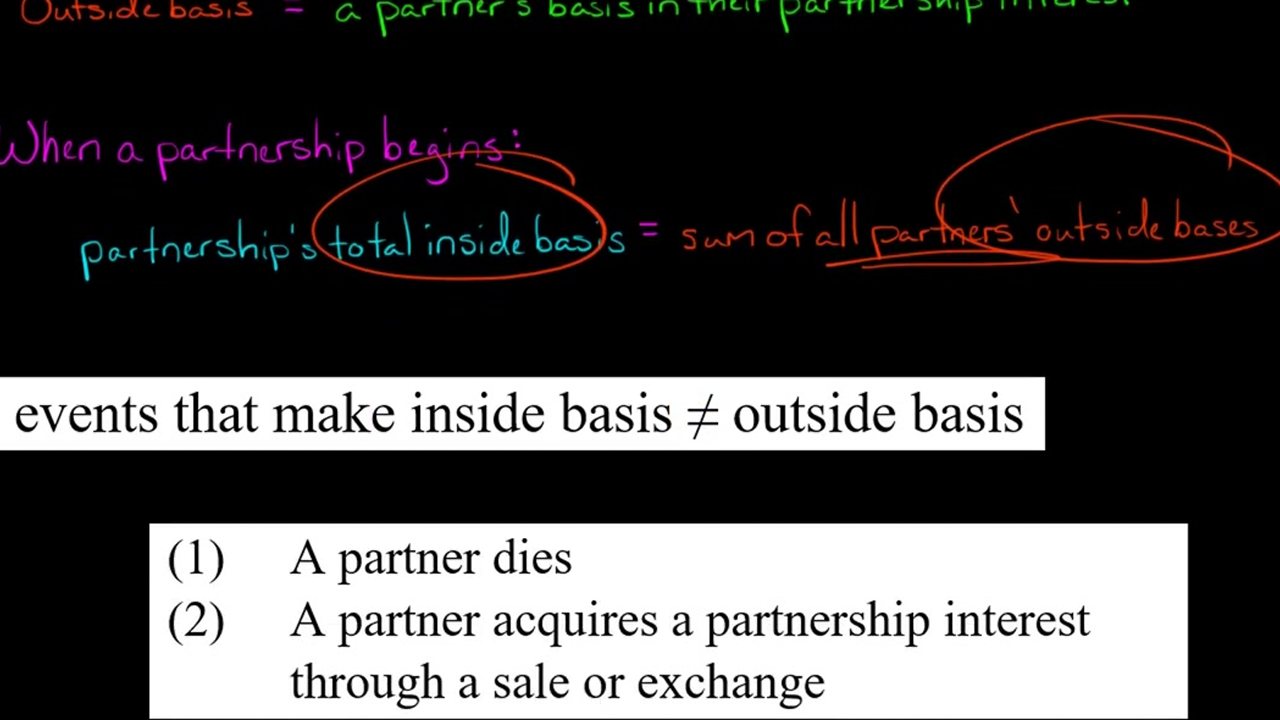
The Treasury Department and the IRS formally proposed on March 6, 2026, to scrap the disclosure rules that had labeled certain related-party partnership basis adjustments as transactions of interest. The notice of proposed rulemaking, REG-108921-25, follows through on a promise made nearly a year earlier and would let taxpayers and their advisors treat the rules as though they never applied.
What changed
In January 2025, the IRS finalized regulations, published as TD 10028, that required participants in certain partnership related-party basis adjustment transactions, and the material advisors who helped arrange them, to disclose those deals. A transaction of interest is a type of reportable transaction, a category the IRS uses to gather information on arrangements it considers potentially abusive. The rules reached basis adjustments under sections 734(b) and 743(b) of the Internal Revenue Code and applied from January 14, 2025.
According to the preamble, taxpayers and advisors criticized the rules as imposing complex and burdensome compliance obligations on businesses. On April 17, 2025, Treasury and the IRS issued Notice 2025-23, announcing their intent to remove the regulations, allowing taxpayers to rely on the notice in the meantime and waiving related penalties for participants under section 6707A(a) and for material advisors under sections 6707(a) and 6708.
The new proposal completes that process. Removal would take effect when final regulations are published, but Treasury said the final rule is intended to let participants and material advisors treat the removal as occurring on January 14, 2025, the original applicability date. Until then, Notice 2025-23 remains in force. Comments and hearing requests are due April 6, 2026.
Who is affected
The disclosure rules applied only above a threshold: basis adjustments of $10 million or more. Data cited in the preamble showed partnerships with more than $25 million of gross assets that reported adjustments at or above that level made up less than one percent of all partnerships filing returns. That population includes many family investment partnerships, closely held operating businesses and real estate ventures owned by affluent families, where interests often pass between relatives, trusts and entities under common control.
For those owners, the practical effect is relief from filing obligations and from the penalty exposure that came with missing a disclosure. It does not change the underlying partnership tax rules that determine whether a basis adjustment is allowed in the first place.
The after-tax math
Example: a family partnership holds equipment and real estate. After a transfer of an interest among related owners, the partnership records a $12 million basis step-up allocated to depreciable property. Under the 2025 rules, that adjustment exceeded the $10 million threshold and would have triggered disclosure by the participants and any material advisor.
| Item | Illustration |
|---|---|
| Basis step-up | $12,000,000 |
| Hypothetical straight-line recovery | 20 years |
| Added annual deductions | $600,000 |
| Value at the 37% top federal rate | $222,000 a year |
The numbers show why the IRS scrutinized these deals and why disclosure mattered to families that used them. The proposal removes the reporting requirement. It does not bless the deduction, which still has to stand on the merits if the return is examined. The 37% figure is the top federal income tax rate, which applies in 2026 above $768,700 of taxable income for married couples filing jointly, according to the IRS.
Moves to discuss with your advisor
- Reviewing any 2024 or 2025 related-party transfers of partnership interests, distributions or redemptions that produced basis adjustments near or above $10 million, and how they were documented.
- Confirming that reliance on Notice 2025-23 was properly recorded in the partnership's files in case a return is examined.
- Revisiting the business purpose and valuation support behind past basis adjustments, since removal of the reporting rule leaves substantive review intact.
- Considering whether to submit comments before the April 6 deadline if the family office or partnership has a stake in how the final rule is written.
Families with layered partnership structures often work through these questions with a partnership tax specialist and the partnership's return preparer together.
What to watch
The next step is a final regulation, which Treasury has said will make the removal retroactive to January 14, 2025. Watch also for how the IRS approaches basis-shifting transactions on examination, since the agency can still question these arrangements under general tax principles even without a special disclosure regime.
Sources
- First reported Removal of Final Regulations Identifying Certain Partnership Related-Party Basis Adjustment Transactions as Transactions of Interest — Federal Register (IRS)
- Internal Revenue Bulletin 2026-13 (REG-108921-25) — IRS
- IRS releases tax inflation adjustments for tax year 2026 (IR-2025-103) — IRS
After TAX is an independent publication. Articles are general information, not tax, legal or investment advice. Consult a licensed professional about your situation.