Treasury and the IRS have proposed rules saying private schools and universities that engage in racial discrimination would not qualify for federal tax-exempt status, though the proposal is not yet final.
The IRS says new sample forms and standardized rollover procedures are meant to streamline plan-to-plan and plan-to-IRA transfers, while Treasury weighs tougher limits on paper checks and other hurdles.
Treasury and the IRS have proposed regulations that would deny tax-exempt status to private schools with discriminatory policies, with the rules slated to apply to taxable years beginning on or after May 31, 2027.
Treasury and the IRS have proposed rules that would bar tax-exempt private schools from any race-based discrimination in admissions, aid, athletics, and other programs, with an effective date tied to tax years after May 31, 2027.
A proposed Treasury and IRS rule would let private schools, colleges, and trade schools lose 501(c)(3) status for using race-based preferences, raising immediate questions for donors, boards, and planned gifts.
A Treasury and IRS proposal would let private schools lose Section 501(c)(3) status for race-based admissions, scholarships, or programs, raising donor, endowment, and financing stakes across the sector.
REG-116506-25 would require opportunity funds to report investor dispositions, have zone businesses attest to compliance and follow new decertification steps, with comments due October 16.
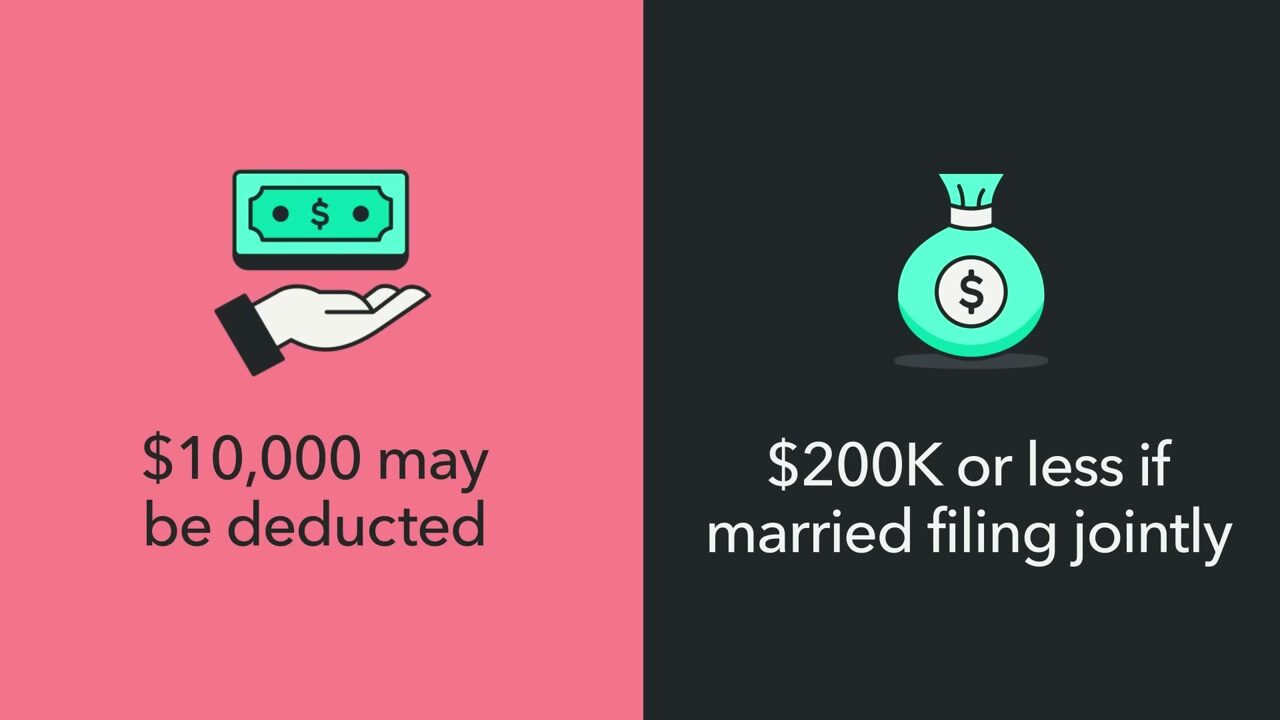
T.D. 10054 finalizes the deduction for interest on loans for new U.S.-assembled vehicles, but income phaseouts that begin at $100,000 and $200,000 limit its value for high earners.
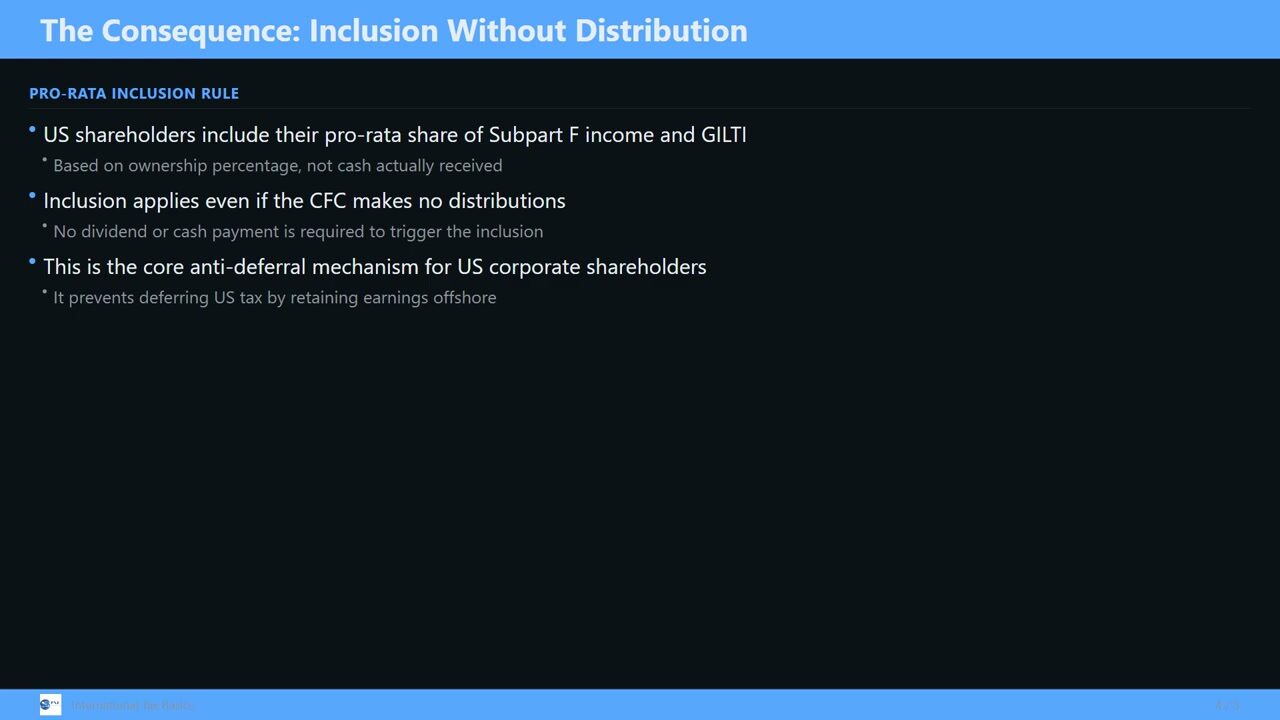
Proposed regulations would tax a founder's or investor's share of a foreign subsidiary's income based on how many days they held the shares, closing a planning window that let a mid-year seller escape the tax entirely.
Treasury’s August 20 proposal bars sector, ESG and leveraged funds from Trump Accounts until the year a child turns 18, and caps fund costs at a tenth of a percent.
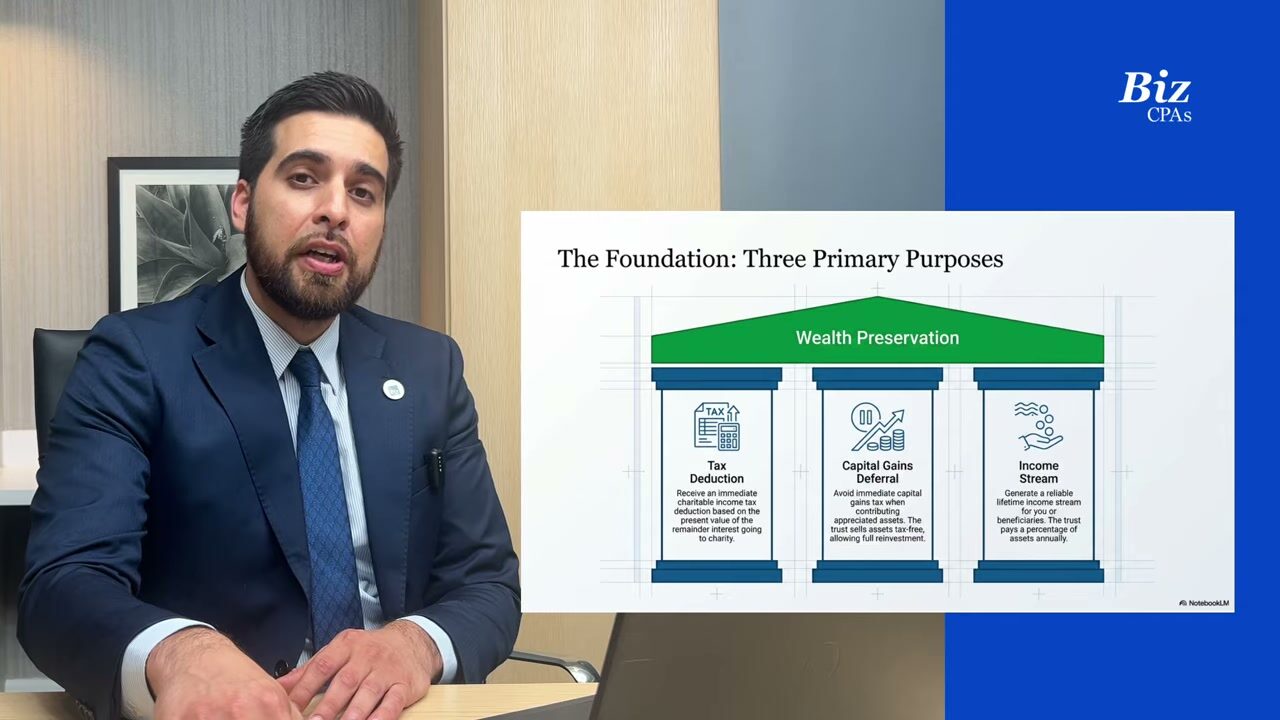
Proposed rules published August 17 would drop a charitable information return for family trusts whose only deduction flows from a partnership or S corporation they own.
Rep. Jodey Arrington's proposal would stop digital-asset investors from selling at a loss and buying right back, closing a gap that has made crypto the last easy venue for loss harvesting.
Treasury adopted its 2024 proposal without change, so owners who ran a business sale through a charitable remainder annuity trust and a commercial annuity now face mandatory disclosure.
Treasury said philanthropists can now transfer publicly traded stock directly into Trump Accounts, opening a new giving channel days before pledges from Michael and Susan Dell and SpaceX's Gwynne Shotwell.
Treasury opened nominations on July 1 with 25,332 eligible tracts, tighter income tests and a 30% basis step-up for rural funds, while original zones and their deferred gains run out on Dec. 31.
The fund industry has asked Treasury for guidance on Section 351 ETF conversions after officials discussed labeling some of the deals a tax-avoidance "transaction of interest."
Treasury's new app and a matching IRS online election tool let parents activate a child's Trump Account weeks before contributions and the $1,000 federal deposit begin.
Guidance issued April 6 opens a nomination window this summer for a renewed Opportunity Zone map, giving investors with large capital gains a new, recurring vehicle to defer and reduce tax on reinvested profits.
A new proposal would remove the transaction-of-interest reporting regime for related-party partnership basis adjustments and let participants treat it as if it never took effect.
Two sets of proposed IRS regulations explain who can open a child's Trump Account, how parents claim the $1,000 Treasury contribution and what families should know before deposits begin July 4, 2026.
Brokers' first Forms 1099-DA report only gross proceeds for 2025 sales, leaving investors to prove their own cost basis, while Treasury proposes letting brokers deliver the forms electronically.
Comment letters filed by February 20 ask Treasury to open Trump Accounts to competing IRA providers, fix a rollover glitch and confirm fees, shaping where a child's account will actually live.
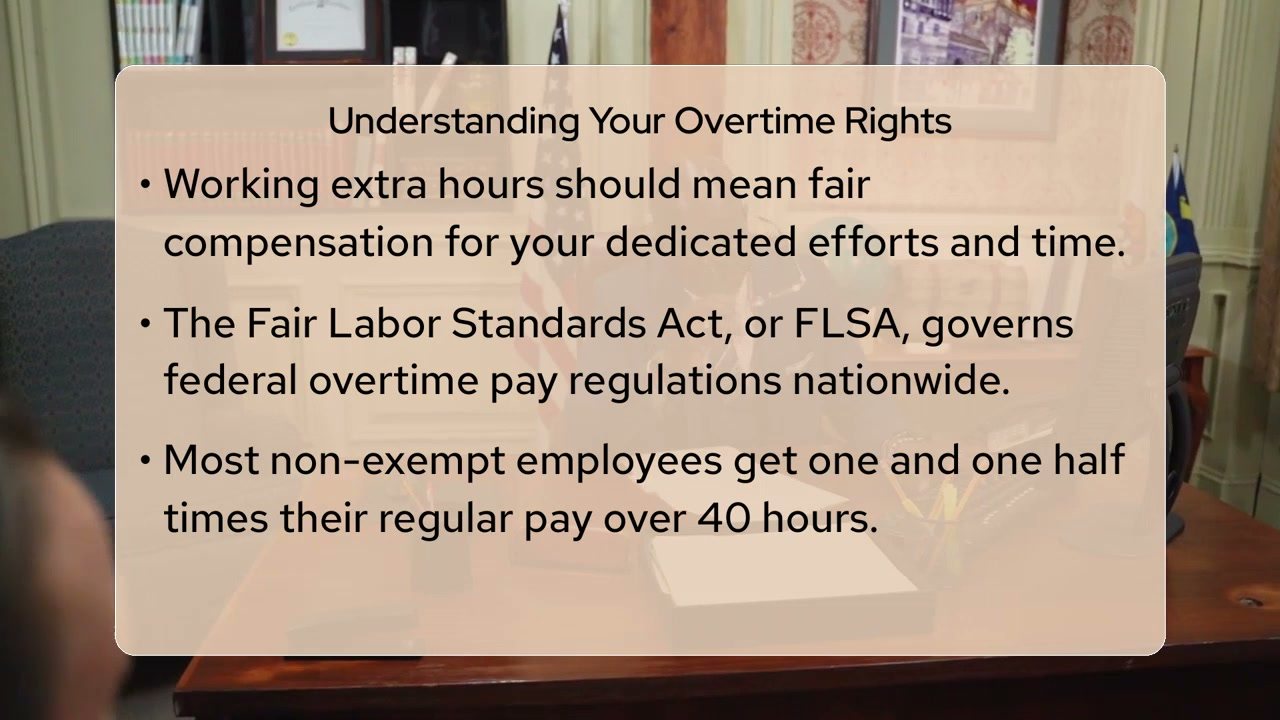
Treasury's answers make clear that salaried exempt professionals get nothing and that only the half in time-and-a-half counts, though some affluent households may still claim it through a spouse or relative.
A January 7 announcement sent single-family rental stocks down about 10% intraday; the follow-up executive order limits federal support for big buyers but leaves the key definitions to Treasury.
Treasury's proposed regulations define which US-assembled vehicles and loans qualify and create new lender reporting, but the benefit fades above $100,000 of income, or $200,000 for joint filers.
Treasury set out how states can elect into the Section 25F credit for cash gifts to scholarship-granting organizations, a dollar-for-dollar benefit that outvalues a deduction for top-bracket donors.
A newly created position puts one person atop both the IRS and Social Security Administration heading into the 2026 filing season, alongside a leadership change over IRS enforcement.
New Treasury guidance halves the improvement threshold for rural Opportunity Zone projects and sets up a permanent program with a bigger tax break for capital gains invested outside cities.
Treasury's contingency plan says Inflation Reduction Act funding will keep all 74,300 IRS employees working through the first week of a shutdown, with no word on what happens after that.
Final Treasury regulations issued September 15, 2025 confirm that workers whose prior-year wages from an employer top $150,000 must make 401(k) catch-up contributions as after-tax Roth money starting in 2026.
Treasury and IRS guidance issued August 21 explains how a binding contract and payment can preserve the $7,500 EV credit, and why home energy credits turn on installation, not payment.
Long's exit on August 8 makes him the shortest-serving confirmed IRS commissioner and leaves Treasury Secretary Scott Bessent running an agency that has lost about a quarter of its staff.
 September 16, 2026 at 10:36 PM PDT