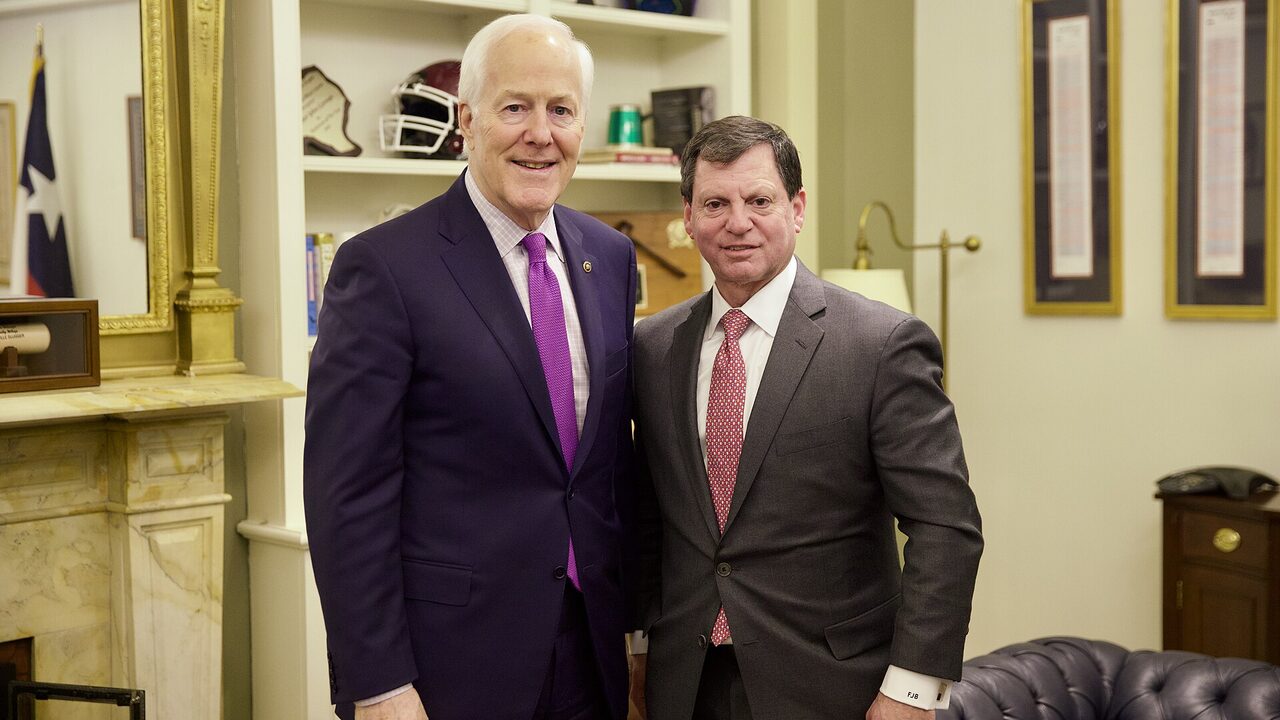
Treasury Secretary Scott Bessent announced on October 6, 2025 that Frank Bisignano, the commissioner of the Social Security Administration, would also take on a newly created role as chief executive officer of the IRS, according to Tax Notes. Bisignano keeps his Social Security job while overseeing IRS operations and reporting directly to Bessent, who remains the agency's acting commissioner. The same week, the IRS separately named Jarod Koopman, a longtime Criminal Investigation executive, to a senior compliance role overseeing the agency's enforcement divisions. Together, the two moves reshape who is actually running day-to-day tax administration as the 2026 filing season approaches.
What changed
The CEO title is new to the IRS, and because it was created rather than filled through the statutory commissioner process, Bisignano did not need Senate confirmation to start the job, Federal News Network reported. Bessent framed the pairing around shared technology and customer-service goals between the two agencies, calling Bisignano, a former chief executive of Fiserv with prior leadership roles at JPMorgan Chase, a natural choice for the role. Separately, the IRS's own announcement (IR-2025-101) named Koopman as acting chief tax compliance officer, putting him over Criminal Investigation, the Small Business/Self-Employed division and other enforcement units. Koopman had led the agency's Cyber Crimes and Cyber and Forensics Services sections since 2016, with a background in tracing cryptocurrency and dark-web transactions.
Who is affected
Every taxpayer who deals with the IRS is affected indirectly by who sets its operating priorities, but high earners and business owners have a more specific stake: enforcement staffing and case selection determine audit risk, and customer-service priorities determine how quickly notices, refunds and disputes get resolved. Koopman's cyber and digital-asset investigative background suggests continued attention to areas like cryptocurrency reporting and complex financial transactions, the kinds of cases that disproportionately involve wealthier taxpayers and closely held businesses. The change also lands at a moment when the IRS workforce has already shrunk significantly since 2025, a separate development that has raised questions about how quickly the agency can process returns, respond to notices and staff examinations regardless of who sits at the top.
The after-tax math
Leadership changes do not create a bill the way a new law does, but they shape the odds and cost of an audit. Example: a household under examination for an aggressive charitable-deduction or partnership-basis position faces very different economics depending on how long the case takes and how it is resolved. If added scrutiny in a given area raises the chance of an audit from, say, 1% to 3% in a typical year, and a contested position carries $200,000 of additional tax plus penalties and interest if the IRS prevails, the expected cost of that position roughly triples even though no dollar amount in the tax code has changed. That is the practical channel through which management changes at the IRS reach a taxpayer's own after-tax planning.
Moves to discuss with your advisor
Households and business owners with positions that depend on documentation, such as charitable contributions of property, valuation discounts, or basis claims in a partnership or S corporation, may want to use this period to shore up records rather than react to any specific new enforcement initiative, since none has been announced yet tied to this leadership change. CNBC reported that some tax administration experts flagged a potential conflict in having one person oversee both Social Security and IRS data, given restrictions on sharing protected taxpayer information between agencies; that concern is a governance question for Congress and watchdogs rather than something that changes an individual return today.
What to watch
Whether Bisignano's dual role produces the customer-service and technology improvements Bessent described, or strains both agencies as some experts warned, should become clearer as the 2026 filing season unfolds. Koopman's enforcement priorities, and whether the IRS's shrunken post-2025 workforce translates into fewer or more targeted audits of complex returns, are the more concrete things for high-income taxpayers and their advisors to watch over the coming months.
Sources
- First reported Bessent Taps Social Security Chief as First-Ever CEO of IRS — Tax Notes
- Social Security Administrator Frank Bisignano is named to the newly created position of IRS CEO — Federal News Network
- IRS announces leadership change, Jarod Koopman to lead agency's enforcement efforts (IR-2025-101) — IRS
- New IRS CEO is also head of the Social Security Administration — CNBC
After TAX is an independent publication. Articles are general information, not tax, legal or investment advice. Consult a licensed professional about your situation.


