13.3%Top income tax rate (2026)
$1,000,000Top bracket begins (single)
NoneState estate tax exemption
NoInheritance tax
A new argument against wealth taxes focuses less on rates and revenue than on what enforcement would require: deeper IRS access to household balance sheets, asset valuations, and disputes over private holdings.
The higher SALT deduction cap opens a larger federal write-off for some homeowners in high-tax areas, but a phase-down above $500,000 of MAGI and regional gaps sharply limit who benefits.
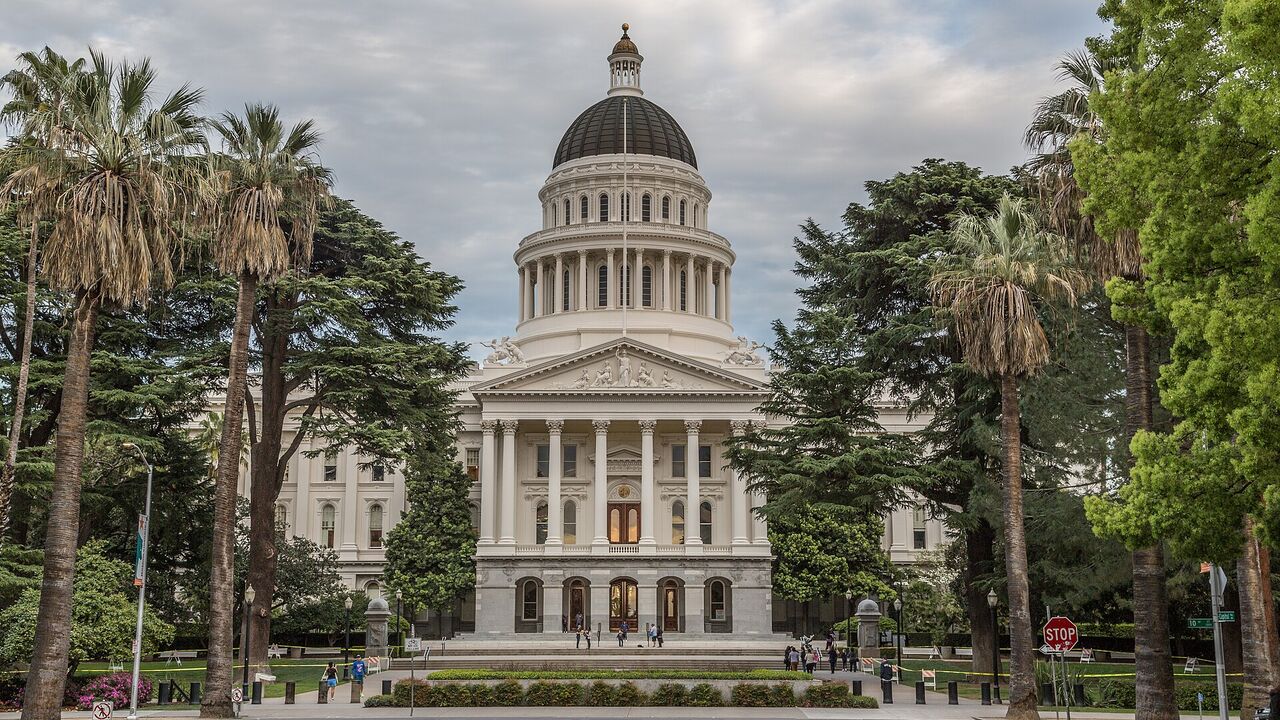
California voters will decide in November whether to impose a one-time 5% tax on the assets of roughly 250 billionaires, a proposal that could raise up to $100 billion but also faces competing measures that could block it.
A California appeals court said San Francisco’s voter-approved Empty Homes Tax conflicts with state law, leaving a levy of $2,500 to $20,000 per vacant unit unenforceable for now.
A Fortune analysis found billionaires who left California for Florida ahead of a proposed wealth tax may have taken roughly $29 billion in potential state revenue with them, a case study in domicile timing.
The one-time 5% levy on net worth above $1 billion reaches back to a January 2026 residency date, taxes former residents and trusts, and could struggle in court, the analysis argues.
Current and former staff sold stock in the company's third tender offer. How much they keep depends on holding periods, how the shares were acquired and, for many, California's treatment of gains.
In Prezioso v. Commissioner, the Tax Court focused less on the size of the deductions than on the pattern of concealment, from home renovations to a boat and a Ferrari lease.
The measure taxes residents as of January 1, 2026, values their wealth at year-end and lets payers stretch the bill over five years, at a price that reaches deep into illiquid founder stock.
SpaceX priced the largest IPO in history at $135 a share, but the flat 22% withholding on employee RSUs falls well short of what many will actually owe.
Anthropic's confidential IPO filing, made after a $65 billion round at a $965 billion valuation, gives current and former staff a narrowing window to settle basis, QSBS and residency questions.
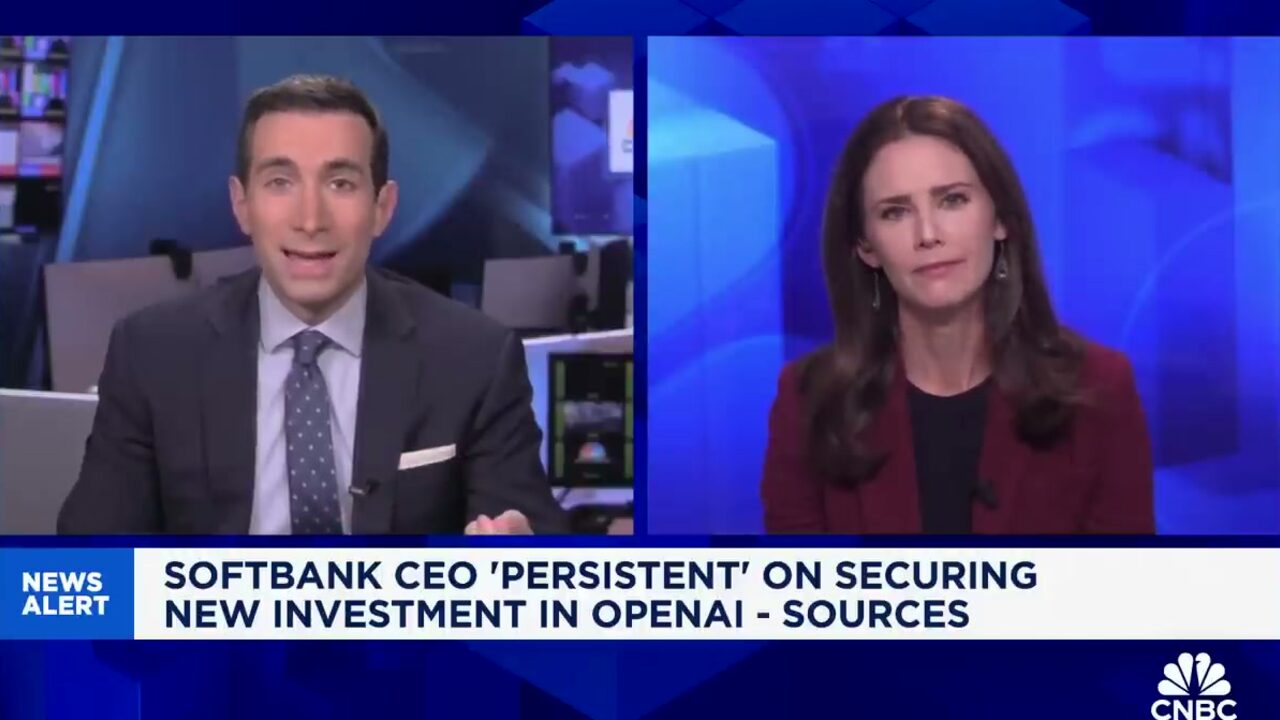
CNBC reported OpenAI could confidentially file IPO paperwork within days, giving staff and alumni a narrowing window to settle basis records, QSBS eligibility, 83(b) history and residency before shares become tradable.
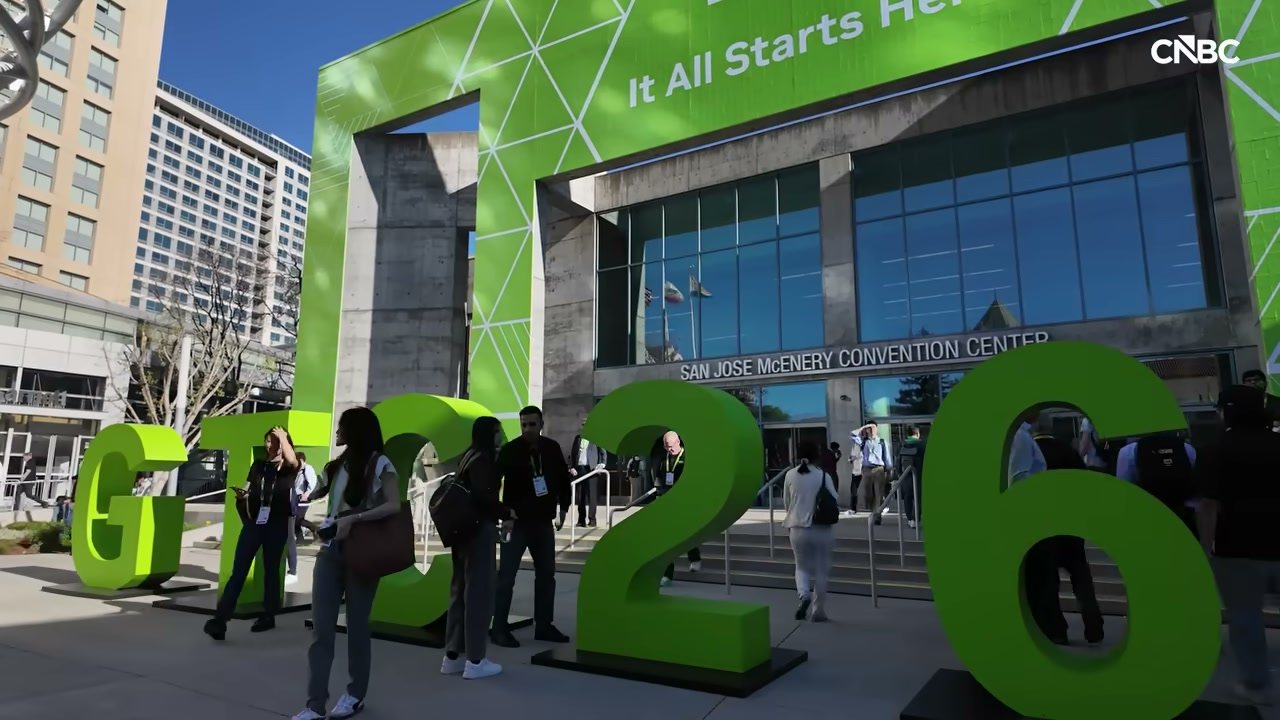
The AI chipmaker sold 30 million shares ahead of its Nasdaq debut. For employees holding restricted stock units and incentive options, the listing turns paper wealth into taxable income and hard timing choices.
The Howard Jarvis Taxpayers Association's Local Taxpayer Protection Act qualified for California's November 2026 ballot, threatening to cap city transfer taxes like LA's Measure ULA at a fraction of their current rate.
Stripe's latest employee share sale values the payments company at $159 billion, and the tax treatment of the proceeds depends on how each employee's shares were granted.
A memorandum decision in Otay Project LP v. Commissioner shows how the IRS unwinds a partnership basis step-up it views as engineered mainly for tax deferral.
California's combined top marginal rate reaches 14.4% and NYC residents face up to 14.776%, even as Georgia, Indiana, Kentucky and six other states cut income tax rates on January 1.
Anthropic told employees it would let them cash out stock at a $350 billion valuation, and for many the decision to sell now or wait for an IPO turns on capital gains timing, QSBS and California's tax code.
Los Angeles' Measure ULA has collected more than $1 billion for affordable housing since 2023, and the City Council just declined to fast-track exemptions sought by developers and homeowners.
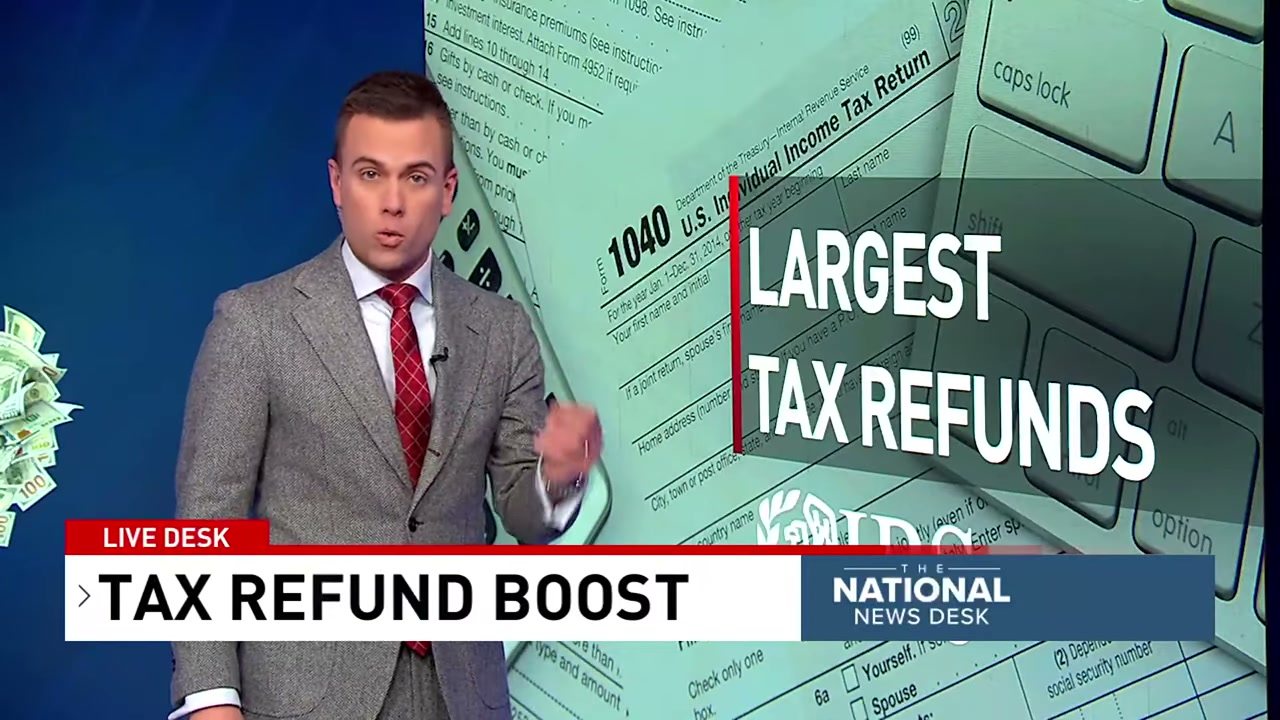
The 2025 tax law cut individual taxes by about $129 billion, but paycheck withholding was never updated, so much of that cut, including the $40,000 SALT cap, arrives as a refund this spring.
A union-backed ballot initiative would tax people who lived in California on January 1, 2026, which is why moves being discussed now, in the last days of 2025, matter more than any vote next November.
Navan priced its IPO at $25 a share and fell 20% on its first day of trading. For employees with RSUs, a drop after a taxable settlement raises withholding, loss and wash sale questions.
Current and former staff sold stock at a $500 billion valuation with per-person payouts as high as $30 million, and how much they keep depends on what kind of equity they held.
The new deduction limit loses 30 cents for every dollar of income above $500,000, and a faster AMT exemption phaseout from 2026 adds pressure on high earners in high-tax states.
Figma priced its IPO at $33 a share on July 30, 2025 and closed its first trading day near $115.50, and the pop creates a real tax cost for employees holding options and restricted stock.