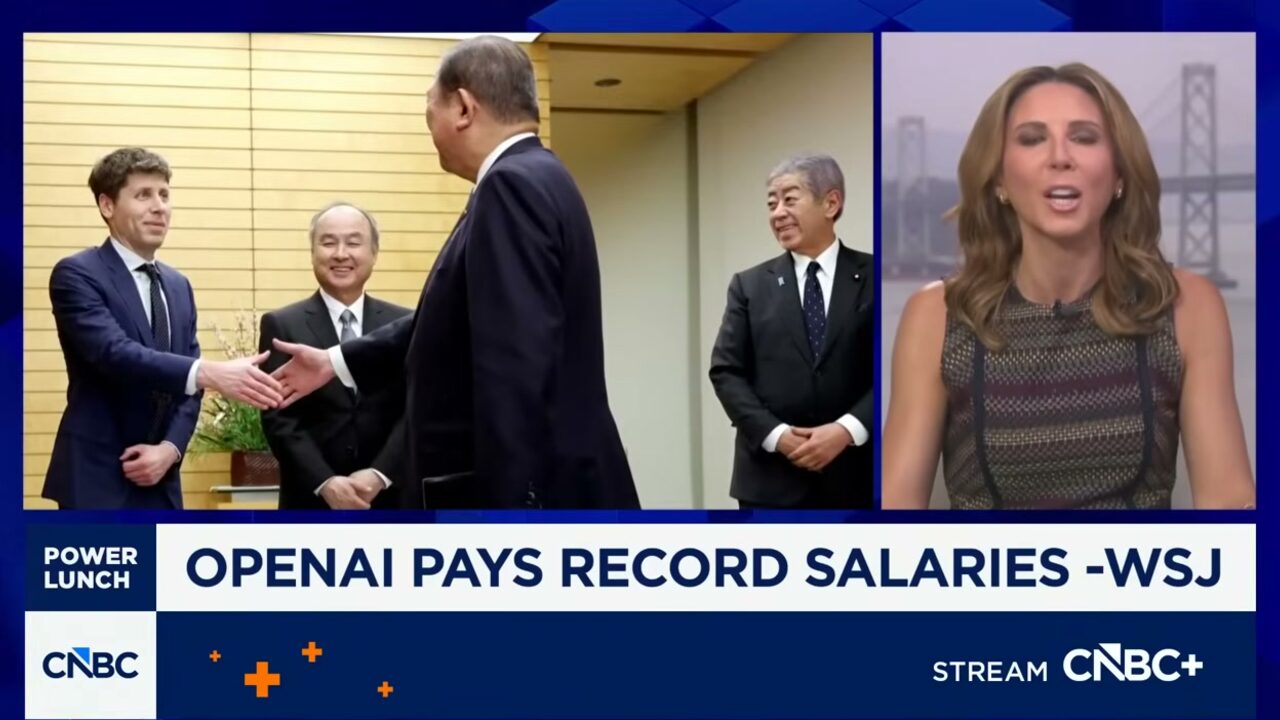
CNBC reported on May 20, 2026, that OpenAI was preparing to confidentially file a draft IPO registration with the SEC within days, working with banks including Goldman Sachs and Morgan Stanley, at a private valuation exceeding $850 billion. A confidential filing does not make shares tradable and can precede a public listing by months, but for current and former OpenAI employees and advisors holding equity, the report starts a countdown on decisions that get harder, or impossible, once a listing is set in motion.
What changed
A confidential draft registration statement is an early, non-public step; the company later confirmed submitting one, and a public S-1 and listing typically follow after further review and roadshow preparation. The practical significance for equity holders is timing: once a company is in registration, corporate actions like exercising options, making certain elections or restructuring how shares are held become more constrained, and lock-up agreements at listing prevent selling for a period afterward regardless of any tax planning done in advance.
Who is affected
Current employees holding unexercised stock options or unvested RSUs, former employees who left with vested but unexercised options, and early advisors or contractors who received equity are all affected, though each group faces different deadlines and considerations. Former employees in particular often have a limited post-termination window, frequently 90 days, to exercise options before they expire, a deadline that does not wait for IPO timing. Employees who have already exercised and hold shares outright face a different set of questions, mainly around QSBS eligibility and state residency, since their tax exposure is now tied to a holding period clock rather than an option expiration date.
The after-tax math
Example: an employee holds incentive stock options with a $2 exercise price on shares now privately valued far higher, and has not yet exercised.
| Path | Key tax consideration |
|---|---|
| Exercise now, hold shares privately | Starts the clock on long-term capital gains treatment and the QSBS holding period, but may trigger alternative minimum tax on the paper gain at exercise |
| Wait and exercise closer to or after listing | Avoids AMT risk on shares never exercised, but compresses or eliminates the QSBS five-year holding period benefit and delays the long-term capital gains clock |
| Exercise and sell immediately post-IPO (subject to lock-up) | Ordinary income tax on the spread at exercise for nonqualified options, or disqualifying disposition treatment for ISOs sold within a year |
Qualified small business stock, which can exclude up to $15 million of gain per issuer for qualifying original-issue stock held five years, is one of the most valuable and most time-sensitive considerations, since eligibility depends on facts established at the time shares were acquired, not at exercise or sale.
Moves to discuss with your advisor
- Whether shares acquired via option exercise qualify as original-issue stock for QSBS purposes, and how much of the five-year holding period has already accrued.
- Reviewing whether an 83(b) election was filed, and filed on time, for any early-exercised or restricted stock, since a missed election can permanently change how gain is taxed later.
- Modeling alternative minimum tax exposure before exercising a large ISO position, ideally across more than one tax year to spread the AMT impact.
- Confirming state residency and California-sourced income rules well before any liquidity event, since California taxes stock compensation based on where it was earned, not necessarily where the holder lives at sale.
What to watch
A confidential filing can sit with the SEC for months before a public S-1 and roadshow follow, so equity holders have time to act, but not unlimited time, especially former employees facing option expiration deadlines. As the process moves from confidential filing toward a public listing, the window for elections and structuring that depend on shares being privately held will continue to narrow. Employees should also expect a lock-up period of typically 90 to 180 days after any eventual listing during which shares cannot be sold regardless of tax strategy, a mechanical constraint that planning has to work around rather than through.
Sources
- First reported OpenAI to confidentially file for IPO as soon as Friday: Source — CNBC
- Confidential submission of draft S-1 to the SEC — OpenAI
After TAX is an independent publication. Articles are general information, not tax, legal or investment advice. Consult a licensed professional about your situation.