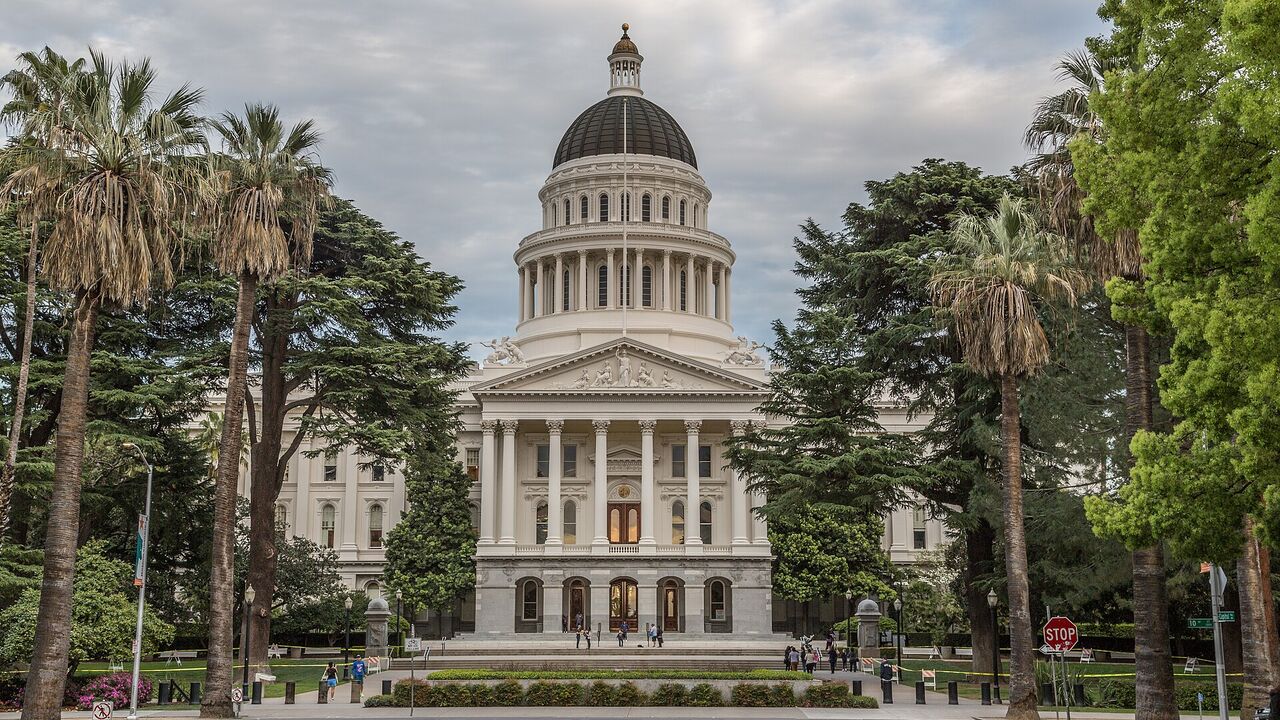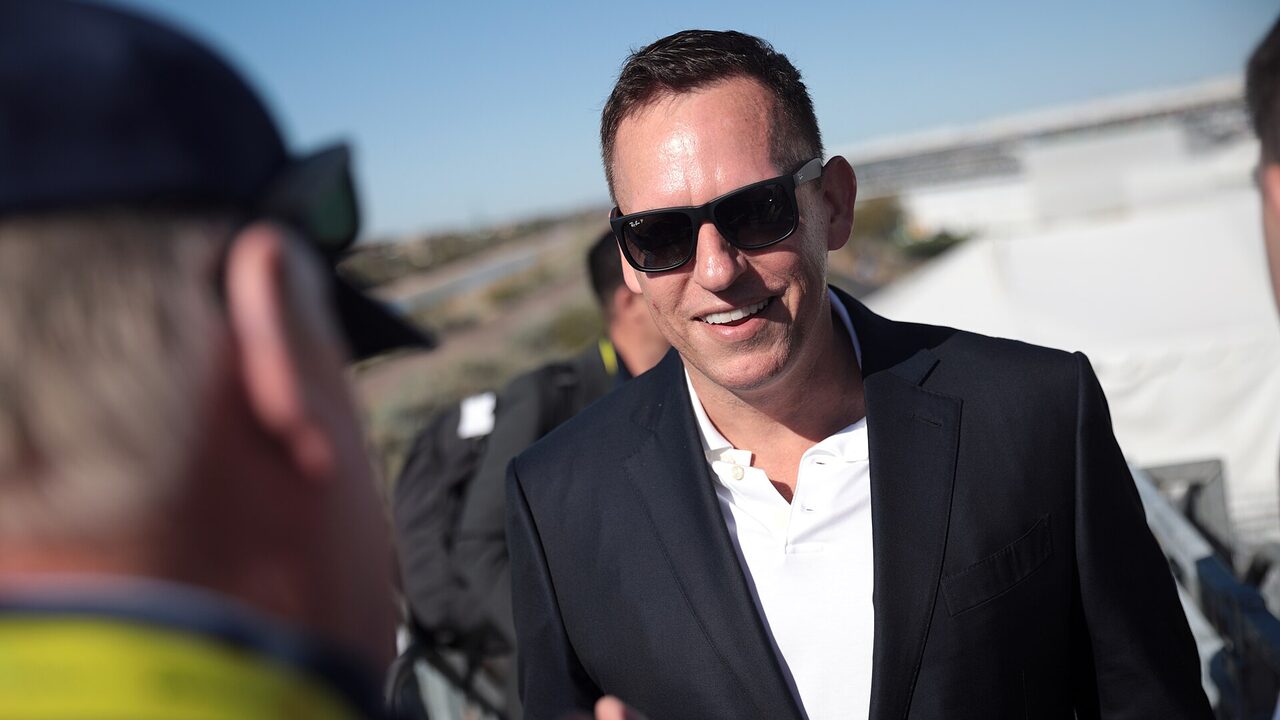
Google co-founder Larry Page and investor Peter Thiel are preparing for the possibility of leaving California ahead of a proposed one-time tax on billionaires, according to reporting summarized by Fortune on December 27, 2025, which cited sources who spoke to the New York Times. The measure is not yet on the ballot. What makes the timing urgent is its design: liability would be fixed by where a person lived on January 1, 2026, days away, not by where they live when voters decide.
What is proposed
The initiative, filed with the state attorney general in October and cleared for signature gathering on December 26, 2025, according to Ballotpedia, would impose a one-time 5% tax on California residents and trusts with covered assets above $1 billion. Its main elements as drafted:
- It applies to taxpayers residing in California as of January 1, 2026.
- A married couple is treated as one individual.
- Between $1 billion and $1.1 billion of net worth, the rate is reduced by 0.1 percentage point for each $2 million below $1.1 billion.
- Publicly traded securities would be valued at market on December 31, 2026, with other rules for private business interests.
- The tax would be due with 2027 filings, and payment could be spread over five equal annual installments, with an annual deferral charge of 7.5% on the unpaid balance.
The Service Employees International Union-United Healthcare Workers West, which is sponsoring the effort, estimates the tax could raise $100 billion to offset federal health care cuts. Backers must gather enough valid signatures to place it on the November 2026 ballot. Governor Gavin Newsom has said he opposes the measure.
How the wealthy are reacting
Fortune, citing the Times, reported that Thiel has explored spending more time outside California and opening an office for Thiel Capital, his Los Angeles-based investment firm, in another state. Page has discussed leaving the state by the end of the year, and three limited liability companies associated with him filed incorporation papers in Florida. Investor Chamath Palihapitiya said a move to Texas was under serious consideration. Bloomberg's index puts Page's net worth at $270 billion and Thiel's at $27.2 billion.
The after-tax math
Example: a founder with $2 billion of net worth who remains a California resident on January 1, 2026. The figures are illustrative and assume the value is unchanged at the valuation date.
| Item | Amount |
|---|---|
| Tax at 5% | $100 million |
| Each of five equal installments | $20 million |
| Deferral charge after the first payment (7.5% of $80 million) | about $6 million |
For founders whose wealth is mostly private company stock, the cash has to come from somewhere, which may mean selling shares, borrowing or receiving distributions, each with its own income tax consequences. That illiquidity is a central part of the debate.
What a credible move involves
A change of address alone rarely ends a state's claim. States that lose a high earner generally examine where the person's home, family, business activities and time are actually centered, and the burden of proving a genuine change often falls on the taxpayer. A move in the final days of December, with a primary home, family and office still in California, may invite the kind of scrutiny that residency audits are built for. Reincorporating entities or opening offices elsewhere can support a move but is not decisive on its own.
Moves to discuss with your advisor
Families near the threshold sometimes review how assets are valued and titled, since the proposal counts couples together and reaches certain trusts. Anyone considering relocation may want counsel experienced in California residency disputes to document the change thoroughly. For households far below $1 billion, the direct tax is not relevant, but the proposal is a signal of how states may target mobile wealth.
What to watch
The signature drive in early 2026 will determine whether the initiative qualifies. Legal challenges over its retroactive residency date are widely expected if it does, and any high-profile departures before January 1 will show how seriously the wealthiest Californians take the risk.
Sources
After TAX is an independent publication. Articles are general information, not tax, legal or investment advice. Consult a licensed professional about your situation.