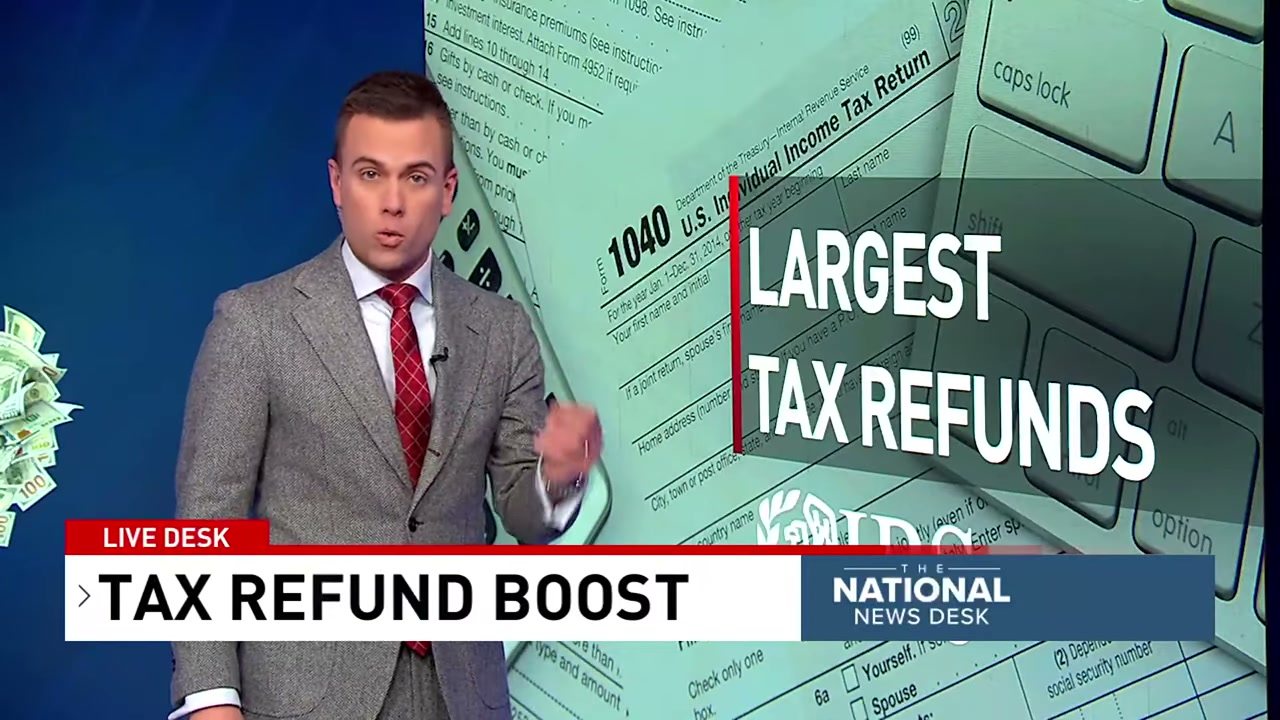
The Tax Foundation estimated on January 15, 2026, that the One, Big, Beautiful Bill Act (OBBBA) cut individual income taxes by about $129 billion for tax year 2025, and that a large share of that relief will reach households as bigger refunds this filing season rather than as larger paychecks last year. The reason is timing. The law was signed in July 2025 and applied retroactively to January 1, but the IRS did not revise its 2025 withholding tables, so employers kept taking out tax at the old rates all year.
What changed
Because withholding never caught up, most workers overpaid during 2025 relative to what the new law requires. According to the Tax Foundation's analysis, private estimates suggest up to $100 billion of the cut could show up as higher refunds, lifting the average refund by roughly $300 to $1,000 compared with a typical year. Across all filers, the average 2025 tax cut works out to about $611, or 0.8 percent of after-tax income.
The single largest provision by revenue is the increase in the state and local tax (SALT) deduction cap to $40,000 for filers with income under $500,000, up from $10,000. That change accounts for $32.2 billion of the $129 billion total. Other retroactive changes, as catalogued by the American Action Forum, include a standard deduction of $31,500 for married couples and $15,750 for single filers, a new deduction of up to $6,000 per person age 65 and older, and deductions for qualified tips of up to $25,000 and overtime pay of up to $12,500 ($25,000 for couples).
Who is affected
For affluent households, the SALT change is where the money is. The tips, overtime and senior deductions carry income phaseouts that put them largely out of reach for high earners, while the higher SALT cap applies in full to itemizers with income under $500,000. Families in high-tax states such as New Jersey, New York and California who paid well above $10,000 in state income and property taxes could not see that benefit in their paychecks at all in 2025. It exists only on the return. Filers above the $500,000 income level get a smaller benefit, because the higher cap is reduced as income rises.
The after-tax math
Example, using round numbers: a married couple in New Jersey with $450,000 of wages paid $28,000 in state income tax and $14,000 in property tax in 2025, for $42,000 in total. Their employers withheld as if the $10,000 cap still applied. On the return, $40,000 is deductible.
| Item (example) | Basis for 2025 withholding | 2025 return under OBBBA |
|---|---|---|
| Deductible SALT | $10,000 | $40,000 |
| Extra itemized deduction | None | $30,000 |
| Tax effect at an assumed 32% marginal rate | None | About $9,600 |
That roughly $9,600 was effectively lent to the Treasury interest-free during 2025 and comes back as a single lump sum at filing. The figure assumes the couple's total itemized deductions exceed the $31,500 standard deduction, which with $40,000 of SALT alone they would.
Points to discuss with a tax professional
A large refund is a sign that withholding and estimated payments were out of step with the law, not a windfall. For 2026, the same provisions remain in effect, so households whose paychecks or quarterly estimates still reflect old assumptions may overpay again. Families with significant state tax bills, bonus or equity compensation, or self-employment income often review Form W-4 elections and estimated payment amounts early in the year, and that review may be worth discussing with a CPA once the 2025 return shows how far off withholding was. The reverse also applies: households above the $500,000 SALT threshold, or those who relied on deductions that phase out, should not assume a larger refund is coming.
What to watch
The IRS opens the filing season on January 26, and early refund data will show whether the $300 to $1,000 range holds. Estimates vary widely by income, state and deductions claimed, so the national average may say little about any single high-income return.
Sources
- First reported Tax Refunds and the One Big Beautiful Bill Act — Tax Foundation
- This Year's Higher Tax Refunds: What's Driving Them — American Action Forum
After TAX is an independent publication. Articles are general information, not tax, legal or investment advice. Consult a licensed professional about your situation.