The IRS is expected to release its annual inflation adjustments in the next few weeks, and early projections suggest federal income tax brackets could rise again for 2027. According to a Sept. 14 report cited by The Hill, Bloomberg Tax estimates a 3.2% increase in bracket thresholds, compared with the 2.7% adjustment used for 2026.
That matters because inflation indexing is designed to reduce “bracket creep,” the phenomenon in which pay raises push taxpayers into higher tax bands even when their real purchasing power has not improved much. For higher earners, the annual reset can affect withholding, quarterly estimates, and year-end income timing.
What Changed
The projected change is not a tax-rate cut. The seven federal marginal rates would still be 10%, 12%, 22%, 24%, 32%, 35%, and 37%. What may change is the amount of taxable income that fits inside each bracket.
The Hill reported that Bloomberg Tax expects all seven bracket thresholds to increase by about 3.2% for 2027. Last year, the IRS released the 2026 brackets in early October, so official 2027 figures have not yet been published.
Under the projection, the 2027 brackets would begin at these taxable-income levels:
| Rate | 2026 Single | Projected 2027 Single | 2026 Married Filing Jointly | Projected 2027 Married Filing Jointly |
|---|---|---|---|---|
| 10% | $12,400 or less | $12,800 or less | $24,800 or less | $25,600 or less |
| 12% | Over $12,400 | Over $12,800 | Over $24,800 | Over $25,600 |
| 22% | Over $50,400 | Over $52,025 | Over $100,800 | Over $104,050 |
| 24% | Over $105,700 | Over $109,125 | Over $211,400 | Over $218,250 |
| 32% | Over $201,775 | Over $208,325 | Over $403,550 | Over $416,650 |
| 35% | Over $256,225 | Over $264,550 | Over $512,450 | Over $529,100 |
| 37% | Over $640,600 | Over $661,375 | Over $768,700 | Over $793,650 |
These figures are projections, not final IRS amounts. The Hill noted that Bloomberg Tax’s projections for 2026 were in line with the actual brackets, but the agency’s official 2027 inflation adjustments are still pending.
Who Is Affected
In one sense, nearly every federal taxpayer is affected because bracket thresholds shape withholding and final tax liability. But the dollar impact is usually most visible for households with larger taxable incomes, especially those near the edge of a bracket.
For affluent households, the projected increases may modestly reduce the share of income taxed at the top marginal rates. A married couple whose taxable income lands just above a threshold, for example, may have a bit more income taxed at 24% or 32% before reaching 35% or 37%.
Business owners and professionals with variable income may also notice the adjustment when projecting estimated taxes. Employees with annual raises could see somewhat more take-home pay in 2027 if withholding tables adjust in line with higher bracket thresholds, as the report suggests.
The After-Tax Math
The practical effect is usually incremental, not dramatic. A bracket adjustment does not mean all income is taxed at a lower rate; it means a slightly larger portion of income may remain in lower marginal brackets.
Example: assume a married couple has $530,000 of taxable income.
- Using the 2026 projected bracket thresholds in the report, income above $512,450 would fall into the 35% bracket.
- Using the projected 2027 thresholds, the 35% bracket would not begin until taxable income exceeds $529,100.
That means $16,650 of income that would have been above the 32% threshold in 2026 remains below the 35% threshold in the 2027 projection. The difference between a 35% rate and a 32% rate on that slice is 3 percentage points, or about $499.50 in federal income tax in this simplified example.
This is an illustration based only on the bracket thresholds reported and assumes the same taxable income in both years. Actual returns depend on many other items, including deductions, credits, filing status, and other IRS inflation adjustments that have not yet been published.
Moves To Discuss With Your Advisor
Because the IRS has not released the official 2027 numbers, this is best viewed as an early planning signal rather than a completed rule change. Still, households that manage withholding closely may want to revisit payroll elections after the official notice comes out.
Higher earners often consider whether year-end bonuses, stock option exercises, Roth conversions, or business income recognition will fall into a different marginal band from one year to the next. Even a modest inflation adjustment can slightly change the tax cost of income recognized in late 2026 versus 2027.
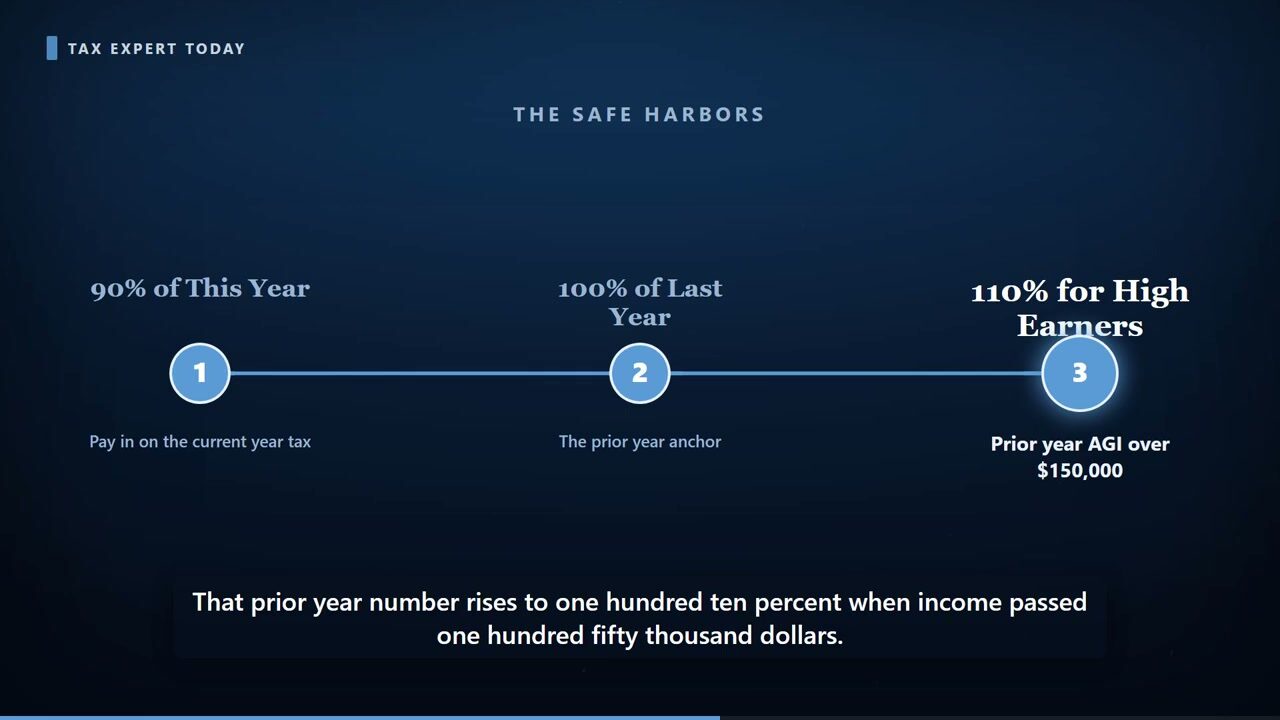
For retirees and business owners who make estimated payments, updated thresholds may also affect safe-harbor planning and cash flow. Those decisions may be worth discussing with a CPA or financial planner once the IRS publishes final figures.
What To Watch
The next key step is the IRS announcement, typically released in the fall. That notice should confirm whether the 3.2% projection holds and whether other inflation-adjusted tax items also move higher.
For now, the main takeaway is straightforward: the reported estimates point to slightly wider federal tax brackets in 2027 than in 2026, which may modestly reduce bracket creep if wages continue to rise. The filing deadline for 2027 returns is expected to be April 15, 2027.
Sources
- First reported How IRS’s 2027 tax brackets may change, according to new projections — The Hill
- How IRS’s 2027 tax brackets may change, according to new projections — WTAJ
After TAX is an independent publication. Articles are general information, not tax, legal or investment advice. Consult a licensed professional about your situation.