A new IRS automatic penalty-relief program covers some filing and payment penalties, but it does not extend to key international information returns, leaving potentially steep exposure for cross-border filers.
A new argument against wealth taxes focuses less on rates and revenue than on what enforcement would require: deeper IRS access to household balance sheets, asset valuations, and disputes over private holdings.
Early 2027 estimates point to higher federal income-tax thresholds, with the top 37% bracket potentially starting at $793,650 for joint filers and $661,375 for single filers.
Treasury and the IRS have proposed rules saying private schools and universities that engage in racial discrimination would not qualify for federal tax-exempt status, though the proposal is not yet final.
A new policy paper argues Congress still has not resolved when staking and mining rewards should be taxed, leaving taxpayers to rely on IRS guidance as court disputes continue.
The IRS said some SECURE and SECURE 2.0 retirement plan amendments may be due after Dec. 31, 2026, depending on when the agency places a provision on its Required Amendments List.
The IRS says new sample forms and standardized rollover procedures are meant to streamline plan-to-plan and plan-to-IRA transfers, while Treasury weighs tougher limits on paper checks and other hurdles.
The IRS said eligible farmers and ranchers in 49 states, the District of Columbia and Puerto Rico may get more time to replace livestock sold because of drought and defer tax on related gains.
Noble Tax Relief said it has expanded attorney-led IRS collection defense services in the Chicago area, targeting taxpayers facing liens, levies, wage garnishments and other federal enforcement actions.
Fair Tax Solutions said it is hosting a free Marietta workshop on IRS tax-debt resolution options, highlighting installment plans, offers in compromise, penalty relief, appeals, and currently not collectible status.
The Texas tax resolution firm said it is offering representation for IRS collections, wage garnishments, bank levies, unfiled returns, and certain state tax matters for individuals and small business owners.
New IRS guidance gives eligible farmers and ranchers in drought-affected areas more time to replace breeding, dairy, and draft livestock and defer tax on gains from forced sales.
The IRS said farmers and ranchers forced to sell breeding, dairy, or draft livestock because of drought may get more time to replace animals and defer tax on gains in most of the country.
The IRS said farmers and ranchers in 82 Nebraska counties may get more time to replace draft, dairy, or breeding livestock sold because of drought and defer tax on eligible gains.
New projections reported Sept. 15 suggest the IRS could raise 2027 federal income tax brackets by 3.2%, modestly widening thresholds across all seven rates if the agency follows through this fall.
The IRS said farmers and ranchers forced to sell breeding, dairy or draft livestock because of drought can get more time to replace animals and defer tax on related gains.
Senate Finance Committee questions for Jim Gadwood and Andrew De Mello could shape how the IRS handles audits, taxpayer privacy disputes, and court challenges under the Trump administration.
New projections reported Sept. 14 suggest the IRS could lift all seven federal income tax brackets by 3.2% for 2027, a larger adjustment than the 2.7% increase used for 2026.
Treasury and the IRS have proposed regulations that would deny tax-exempt status to private schools with discriminatory policies, with the rules slated to apply to taxable years beginning on or after May 31, 2027.
New IRS guidance outlines a 2026 emissions rate table, a 2025 safe harbor, and transition rules for the Section 45Z clean fuel production credit, with added detail for manure-derived fuels and regenerative practices.
A report on Florida Senate nominee Angie Nixon said she owed nearly $14,000 to the IRS and about $17,600 in federal student loans, putting attention on payment-plan rules and debt disclosure requirements.
Treasury and the IRS have proposed rules that would bar tax-exempt private schools from any race-based discrimination in admissions, aid, athletics, and other programs, with an effective date tied to tax years after May 31, 2027.
A proposed Treasury and IRS rule would let private schools, colleges, and trade schools lose 501(c)(3) status for using race-based preferences, raising immediate questions for donors, boards, and planned gifts.
The Justice Department said a new $1.776 billion fund would compensate people alleging they were wrongly targeted by the Biden administration, after President Trump dropped his $10 billion IRS lawsuit.
A federal judge said Trump and his lawyers used a $10 billion IRS lawsuit to pursue taxpayer-funded benefits and audit protections, raising fresh questions about the legal status of the settlement.
A Treasury and IRS proposal would let private schools lose Section 501(c)(3) status for race-based admissions, scholarships, or programs, raising donor, endowment, and financing stakes across the sector.
A September 12 reminder from a Naperville enrolled agent firm underscores a federal tax rule many divorced filers miss: a state divorce order does not bind the IRS on a joint return, though relief may still be available under Section 6015.
AppraiseItNow said it now offers expedited appraisal reports for Forms 8283, 709, and 706 nationwide, a service aimed at taxpayers, executors, attorneys, and advisors facing tight filing deadlines.
With the IRS promoting Direct Pay ahead of the September 15 deadline, households with tender offers, IPO sales or large gains face a 7% interest charge on underpaid installments.
T.D. 10054 finalizes the deduction for interest on loans for new U.S.-assembled vehicles, but income phaseouts that begin at $100,000 and $200,000 limit its value for high earners.
The IRS used National Payroll Week to urge a paycheck checkup. For employees paid partly in restricted stock, the flat 22% supplemental rate often falls well short of the tax actually owed.
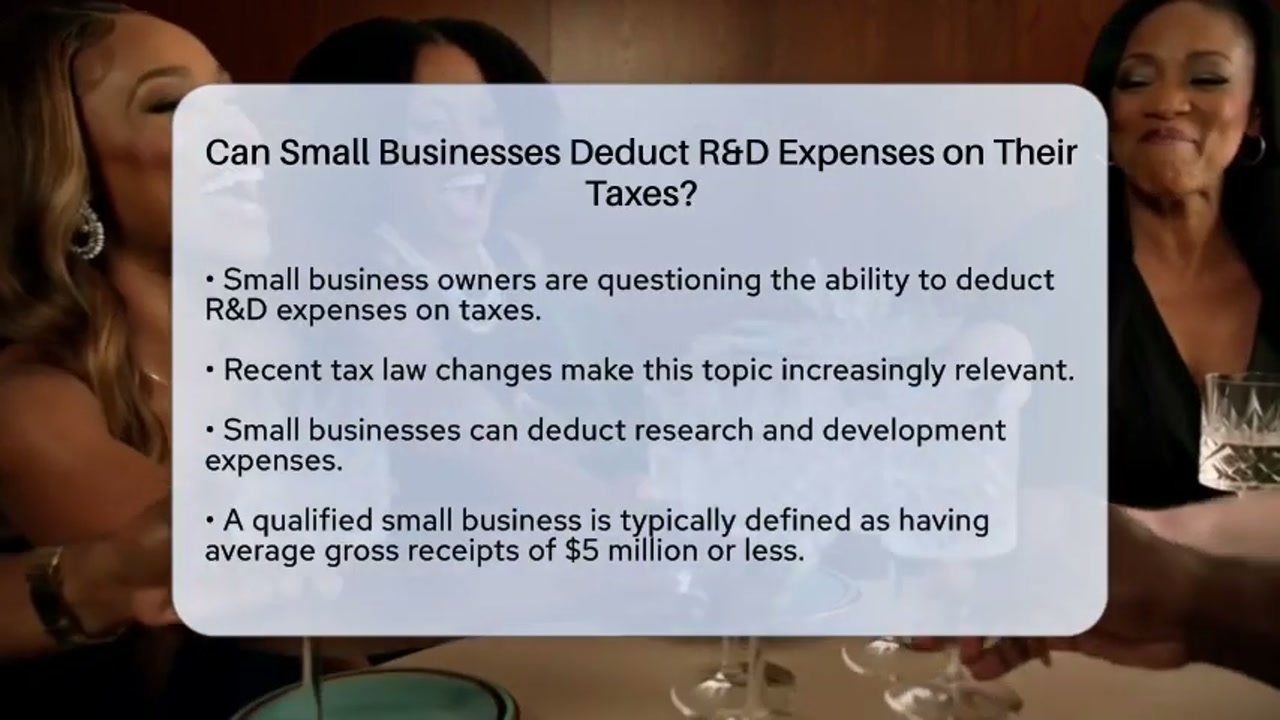
Rev. Proc. 2026-32 updates the automatic change procedures for Section 174A research expensing and residential construction contracts, with a shorter Form 3115 and relief for returns already filed.
The IRS reminded taxpayers on extension that filing now, rather than at the deadline, avoids the fall rush and unpaid balances that keep accruing interest and penalties regardless of the extension.
The IRS said its decades-old FIRE e-file system stops accepting 1099s and other information returns on November 19, 2026, forcing owners, landlords and family offices onto the newer IRIS platform.
The IRS said interest on underpaid individual taxes will stay at 7 percent through year-end, a rate that quietly punishes high earners who skip estimated payments or extension balances.
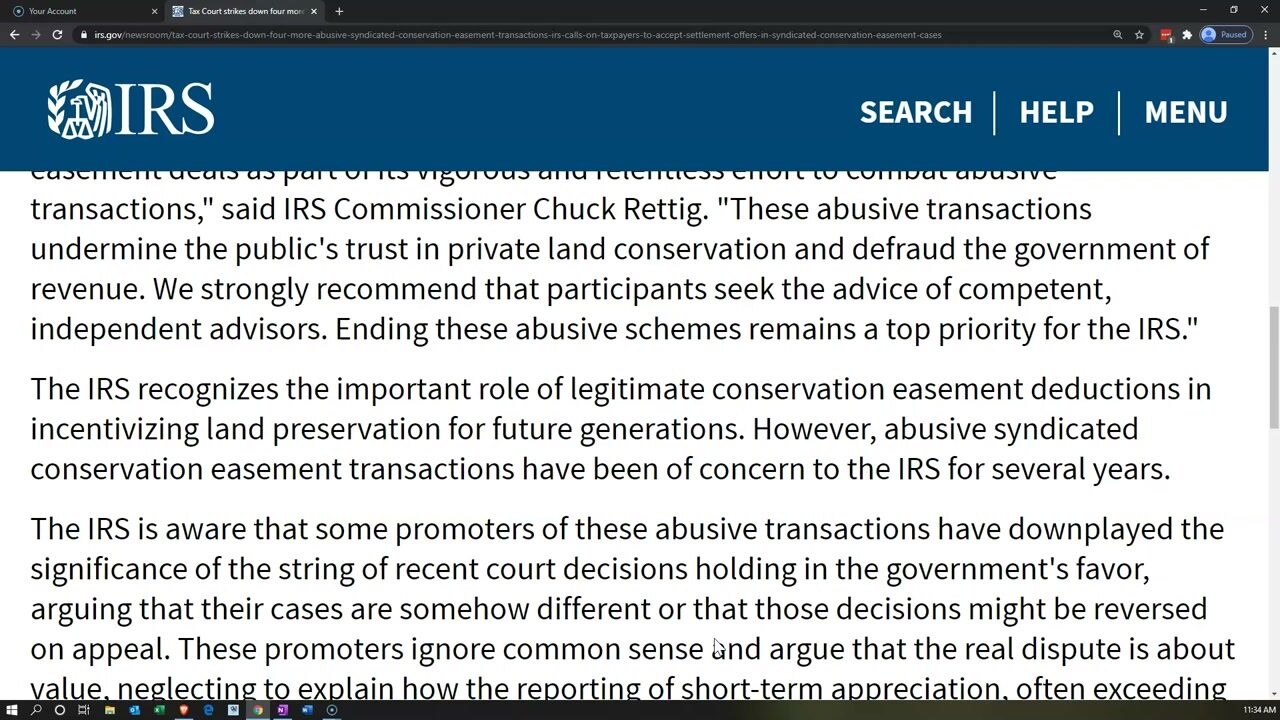
The Eleventh Circuit affirmed that a Georgia land partnership's charitable deduction for a conservation easement was limited to cost basis, plus a 40 percent penalty, a warning for real estate investors in syndicated easement deals.
The uniform deal announced in May is closed and its deadlines withdrawn. Investors in syndicated easement partnerships now face case-by-case talks with a new dedicated IRS office.
Fact Sheet FS-2026-14 restates the 30% cap after the depreciation add-back returned, sets a $32 million small-business test for 2026 and spells out what electing real estate firms give up.
Notice 2026-49 lays out optional sample forms and a five-step process for direct rollovers under SECURE 2.0, and signals future rules that could end mailing rollover checks to participants.
The regulations explain how a business can fund children's Trump accounts as an employee benefit, and how nondiscrimination tests limit programs that favor owners and top earners.
Guidance on the now-permanent Section 45S credit explains how companies can base the credit on leave insurance premiums and extends eligibility to part-timers working 20 hours a week.
With more than $160 billion of noncash donations claimed for 2023, examiners are denying deductions for technical failures rather than fighting over what art, private stock or IP is worth.
In Lewis v. Commissioner, the court rejected both the IRS's $53.4 million figure and the family's $156,000 claim, holding that state law and an avoided tax-reimbursement duty set the value.
In Beveled Edge Insurance, the court said the codified economic substance doctrine can strip a captive's tax benefits without erasing the whole arrangement, and left penalties on the table for trial.
The IRS left the estate-planning hurdle rate unchanged for a second month, a level that squeezes annuity trusts while making charitable remainder trusts and residence trusts cheaper to fund.
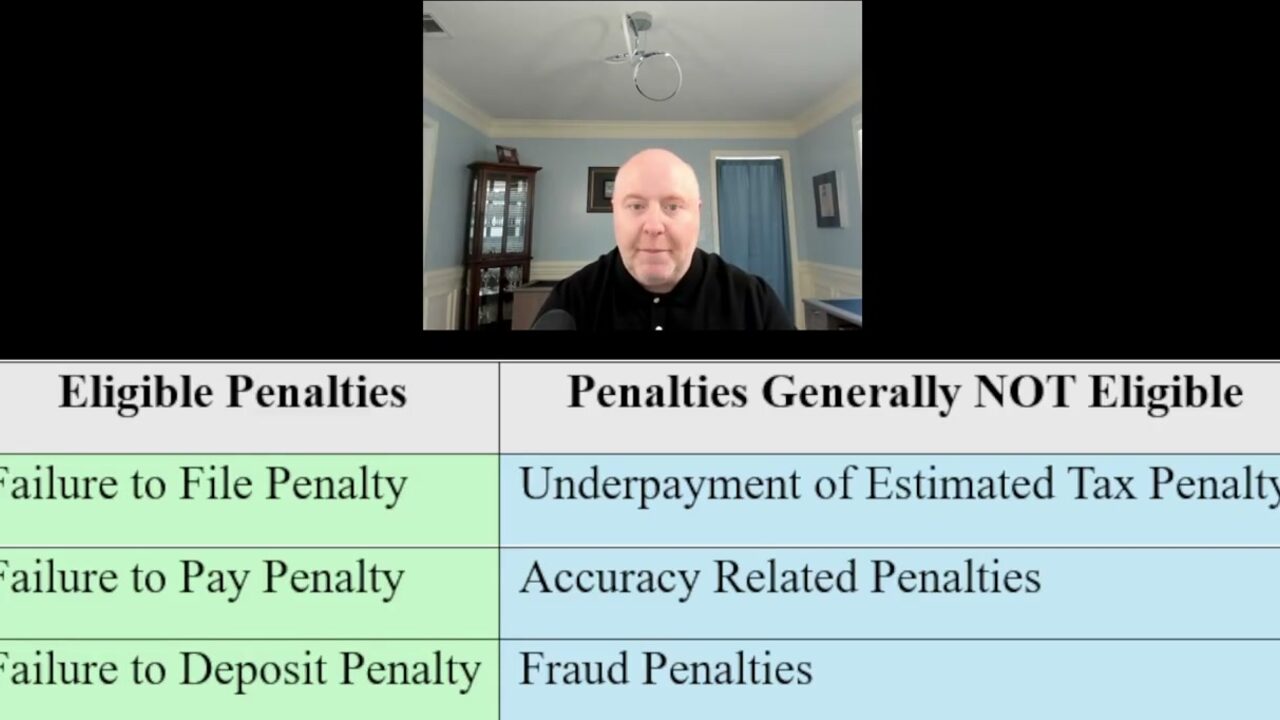
Under Automatic Exemption from Penalty, late-filing, late-payment and deposit penalties are waived during processing for taxpayers with three clean years, with no phone call or request needed.
Rev. Proc. 2026-25 treats contributions as present-interest gifts eligible for the $19,000 annual exclusion, but one extra gift or a Form 709 filed for another reason can undo the relief.
By declining to hear Murrin v. Commissioner, the justices let stand a Third Circuit ruling that the IRS can assess tax at any time on a fraudulent return, even when only the preparer intended to cheat.
PLR 202625012 says a private foundation has no interest in family business shares until a trustee irrevocably names it, which lets relatives and the company buy stock without self-dealing.
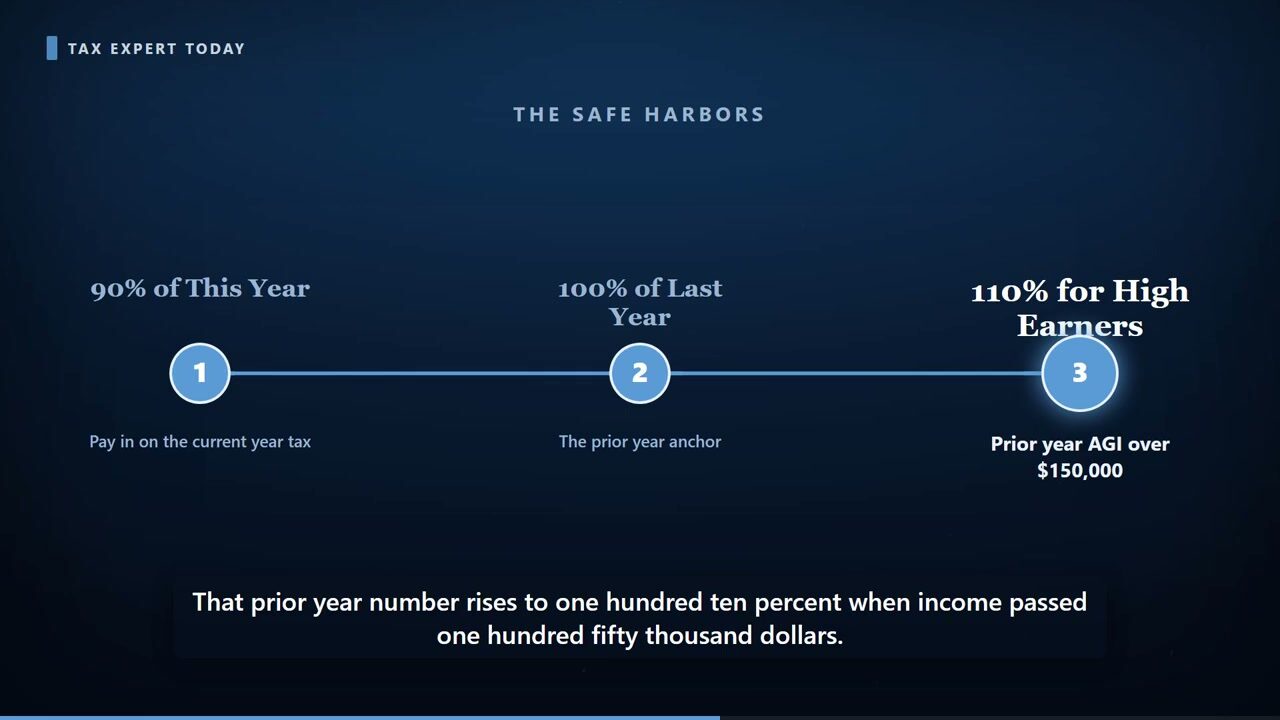
Second-quarter estimated payments for 2026 are due June 15. High earners with equity vests, gains or K-1 income face a stricter prior-year test, and IRS underpayment interest runs at 6% to 7%.
The IRS said 27 states have elected into the new Section 25F credit for gifts to scholarship granting organizations, a dollar-for-dollar option that compares favorably with a normal charitable deduction.
A federal judge vacated IRS Notice 2025-42 on June 6, restoring a bright-line path to begin construction, but an expected appeal leaves project owners and tax-equity investors weighing real risk.
A new notice extends the 21% excise tax on excess pay at tax-exempt organizations beyond the top five earners, a change that touches board members and major donors as much as executives.
The IRS 2025 Data Book shows audit exposure rising steeply with income, with the sharpest jump above $5 million, and about $175,000 of proposed tax per closed audit at the very top.
Rev. Proc. 2026-24 lifts health savings account contribution caps by $100 and $250 for 2027 and confirms that small direct primary care fees no longer block eligibility.
Treasury's new app and a matching IRS online election tool let parents activate a child's Trump Account weeks before contributions and the $1,000 federal deposit begin.
The IRS says tens of millions of filers claimed the new overtime, senior and car-loan breaks. For households earning well into six figures, the income limits erase most of them, leaving a shorter list.
Partnerships in more than 1,100 disputed conservation easement cases get a time-limited settlement. The penalty doubles after 90 days, and litigated cases have recovered about 6% of claimed deductions.
The IRS announced a way for business owners facing an Employee Retention Credit disallowance to extend the two-year deadline for administrative appeal or a refund lawsuit, but only if they act before six months remain.
The IRS reminded taxpayers that Form 4868 pushes the filing deadline to October 15, but any balance owed is still due April 15, a distinction that matters most for K-1 recipients and business owners who routinely extend.
The IRS says a quarter of enrollees qualify for the $1,000 federal seed deposit, giving affluent families a new window to layer Trump Accounts with 529 plans and gifting strategies.
The House committee unanimously approved bills extending casualty-loss deductions through 2027, upgrading IRS service, and raising the stakes for whistleblower awards.
The retooled online calculator now factors in the tips, overtime, senior and car-loan-interest deductions, giving high earners a way to rework their 2026 W-4 before a surprise tax bill or penalty arrives.
Senate Democrats say the Vacancies Act clock ran out March 6 with no nominee, leaving the IRS without a Senate-confirmed leader as complex filers wait on guidance and service.
A new proposal would remove the transaction-of-interest reporting regime for related-party partnership basis adjustments and let participants treat it as if it never took effect.
Two sets of proposed IRS regulations explain who can open a child's Trump Account, how parents claim the $1,000 Treasury contribution and what families should know before deposits begin July 4, 2026.
The 2026 Dirty Dozen list flags fabricated undistributed capital gains credits and AI-enhanced impersonation calls, both aimed at taxpayers with investment income.
Brokers' first Forms 1099-DA report only gross proceeds for 2025 sales, leaving investors to prove their own cost basis, while Treasury proposes letting brokers deliver the forms electronically.
Revenue Procedure 2026-15 lifts the luxury-auto depreciation ceilings slightly for 2026, but the bigger number for owners buying a heavy SUV is the separate $32,000 Section 179 limit paired with full bonus depreciation.
The IRS's new Schedule 1-A bundles four temporary deductions into one form, and its line-by-line phaseout math determines whether affluent households get any benefit at all.
A memorandum decision in Otay Project LP v. Commissioner shows how the IRS unwinds a partnership basis step-up it views as engineered mainly for tax deferral.
The February 20 guidance defines which manufacturing, agricultural and refining buildings qualify for an immediate write-off, sets tight construction and placed-in-service windows, and flags a 10-year recapture trap.
IRS statistics for the week ending February 13, 2026 show fewer people have filed, but the average refund has climbed to $2,476, the first hard evidence that OBBBA's retroactive tax cuts are reaching bank accounts.
The National Taxpayer Advocate's annual report to Congress says a 27% smaller IRS, paired with dozens of new retroactive tax rules, will make 2026 harder for any filer who runs into a problem.
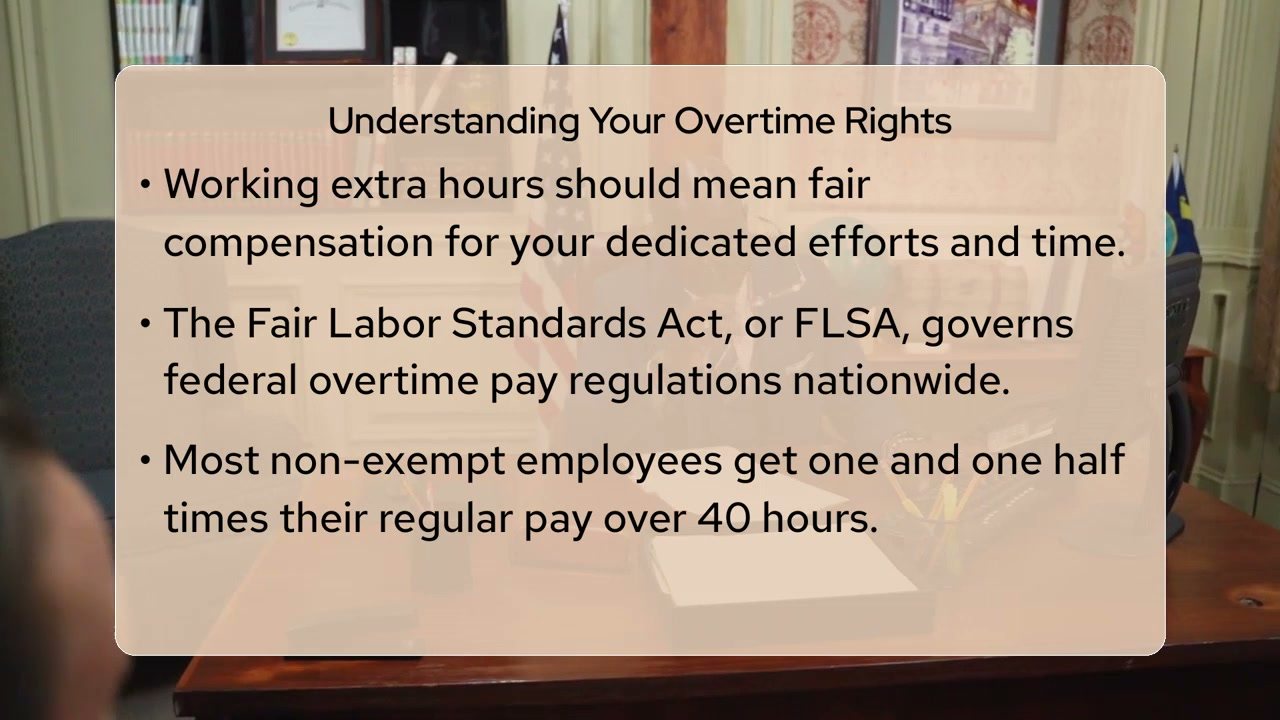
Treasury's answers make clear that salaried exempt professionals get nothing and that only the half in time-and-a-half counts, though some affluent households may still claim it through a spouse or relative.
A Fifth Circuit ruling says state-law limited partners can skip self-employment tax on their share of the business even if they help run it, reversing an IRS test used in Texas, Louisiana and Mississippi.
The model 402(f) explanations plans give departing employees now cover new penalty exceptions, a $7,000 cashout limit, RMD ages 73 and 75, and the end of RMDs for plan Roth accounts.
The interim guidance explains when property counts as acquired, how the 40% election works and what taxpayers may rely on, a roadmap for real estate owners weighing cost-segregation studies.
About 164 million individual returns are expected by the April 15 deadline, the first to reflect the $40,000 SALT cap and a new schedule for deductions on tips, overtime, car loan interest and seniors.
Treasury's proposed regulations define which US-assembled vehicles and loans qualify and create new lender reporting, but the benefit fades above $100,000 of income, or $200,000 for joint filers.
Taxpayers with unreported income or offshore accounts would get a fixed penalty menu and three months to file and pay in full under the proposal, now open for public comment until March 22, 2026.
IRS-CI's annual report shows tax fraud identifications more than doubled and search warrants rose 25%, a signal that enforcement risk is climbing even as agency staffing shrinks.
Notice 2026-5 confirms that more families and self-employed owners can fund a health savings account next year, and that monthly direct primary care fees up to $150, or $300 for families, can be paid tax-free.
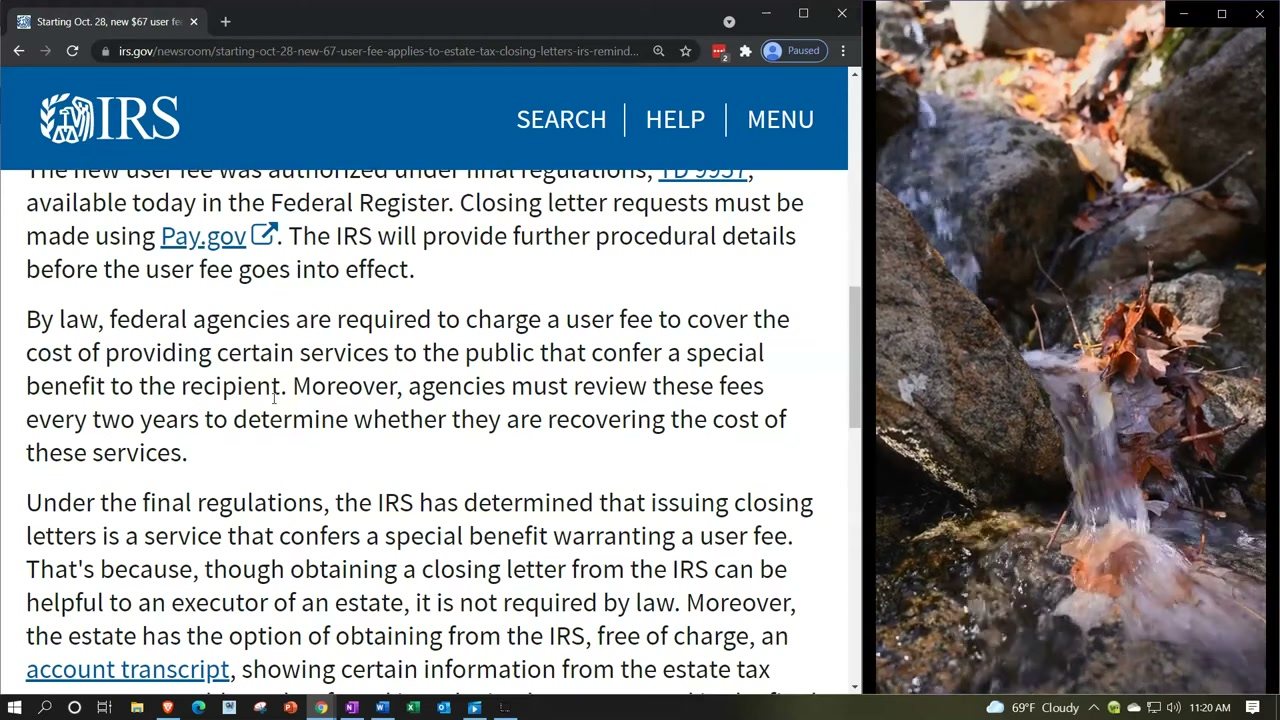
A finalized rule keeps Letter 627 at $56 instead of $67, closing the door on any reversal as executors of large 2025 estates prepare to request it.
The IRS's first 2026 get-ready notice is mostly about paperwork and direct deposit, but for high earners the run-up to January 1 also means a last chance to use several rules before they tighten under the new tax law.
Starting with 2025 returns, the IRS plans to apply first-time abatement without a request. Filers with large balances and a clean three-year record stand to keep the most.
The annual inflation update raises deferral, IRA and total contribution ceilings, and lifts to $150,000 the wage line above which catch-up contributions must go in as Roth.
Payment apps and online marketplaces need not issue a 1099-K unless a payee tops both $20,000 and 200 transactions. Fewer forms change what the IRS sees, not what counts as taxable income.
New IRS FAQs explain how the July tax law cuts off unpaid Employee Retention Credit claims for late 2021 filed after Jan. 31, 2024, while a longer assessment period keeps paid claims open to review.
The IRS says the government shutdown does not move the Oct. 15 deadline for 2024 returns. For extended filers, penalties, SEP contributions and payment plans all hinge on filing on time.
The IRS's 2026 inflation adjustments raise the joint standard deduction to $32,200, hold the gift exclusion at $19,000 and set the thresholds that matter most for bracket, gifting and trust planning.
A newly created position puts one person atop both the IRS and Social Security Administration heading into the 2026 filing season, alongside a leadership change over IRS enforcement.
New Treasury guidance halves the improvement threshold for rural Opportunity Zone projects and sets up a permanent program with a bigger tax break for capital gains invested outside cities.
The agency pulled back 2024 proposals that would have tightened Section 355, leaving current, more flexible law in place for owners planning to divide a closely held company.
Treasury's contingency plan says Inflation Reduction Act funding will keep all 74,300 IRS employees working through the first week of a shutdown, with no word on what happens after that.
A Georgia land deal shows how the Tax Court keeps unwinding syndicated conservation easements, this time disallowing one donor's deduction entirely and slashing the other by 98%.
Final Treasury regulations issued September 15, 2025 confirm that workers whose prior-year wages from an employer top $150,000 must make 401(k) catch-up contributions as after-tax Roth money starting in 2026.
Rev. Proc. 2025-28 lets companies with up to $31 million in gross receipts amend 2022 through 2024 returns to expense domestic research, with a July 6, 2026 deadline for the retroactive election.
More than 25,000 employees left through incentive programs and 7,315 probationary workers were fired, leaving complex filers facing slower answers and a less predictable audit pipeline.
Treasury and IRS guidance issued August 21 explains how a binding contract and payment can preserve the $7,500 EV credit, and why home energy credits turn on installation, not payment.
Long's exit on August 8 makes him the shortest-serving confirmed IRS commissioner and leaves Treasury Secretary Scott Bessent running an agency that has lost about a quarter of its staff.
Paychecks and year-end forms will not reflect the July tax law this year, leaving high earners to square up a larger SALT deduction and other changes through estimates and their 2025 returns.
 September 17, 2026 at 1:37 PM PDT