The IRS is taking the request out of penalty relief. In a July 8, 2026, announcement, the agency introduced Automatic Exemption from Penalty, a process that removes certain penalties during return processing for taxpayers with a record of filing and paying on time. It will replace First Time Abate, the administrative waiver that taxpayers or their preparers have had to ask for by phone or in writing.
What changed
Under the new process, the IRS applies relief on its own when a qualifying return is processed and sends a notice confirming it. No call, letter or form is required. IRS CEO Frank J. Bisignano said the change is aimed at making the payment of taxes owed "simpler and more consistent."
The key terms, as the IRS described them:
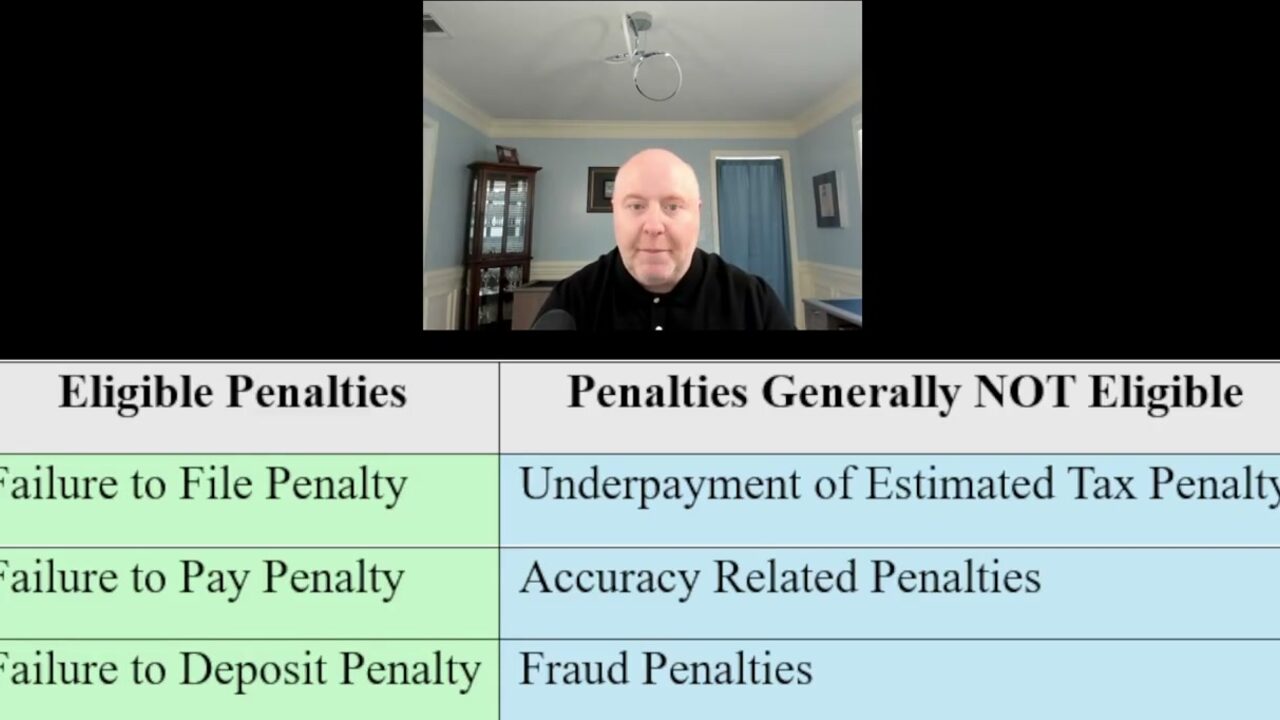
- Penalties covered: failure to file, failure to pay and failure to deposit.
- History required: timely filing and payment in the three prior years, or 12 consecutive quarters for quarterly filers.
- Returns covered: original returns for tax years 2025 and 2026, quarterly returns beginning in 2025 and 2026, and later periods.
- Excluded: information returns and infrequent filings, including the Form 706 estate tax return and the Form 709 gift tax return.
- Timing: the process begins in summer 2026, First Time Abate phases out over the same period, and for returns originally due on or after January 1, 2027, the automatic exemption replaces it entirely.
Who is affected
High earners are frequent users of penalty relief, often not because they fail to pay but because their income is lumpy. A large bonus, a stock sale or a K-1 that arrives late can leave a balance due in April that is paid a few weeks or months after the deadline. For those households, the penalty was often removable under First Time Abate, but only if someone remembered to ask.
Two limits stand out. The accuracy-related and estimated tax penalties are not among those the IRS listed, so an underpayment of quarterly estimates is not addressed by this process. And estates and donors are left out, because Forms 706 and 709 are excluded as infrequent filings.
The after-tax math
The IRS charges 0.5% of unpaid tax for each month or part of a month a balance goes unpaid, up to 25%. The failure-to-file penalty is 5% a month, also capped at 25%, reduced by the failure-to-pay penalty for any month both apply.
Example: a couple owes $400,000 with their return, after a year with a large equity compensation event.
| Scenario | Penalty math | Penalty |
|---|---|---|
| Return extended and filed on time, tax paid 4 months late | 0.5% x 4 months | $8,000 |
| Return filed 2 months late with no extension, tax paid 4 months late | 4.5% x 2 months, plus 0.5% x 4 months | $44,000 |
If the couple had three clean prior years, the new process would remove the covered penalties when the return is processed. Without that history, they would have to request relief on another basis.
Moves to discuss with your advisor
Taxpayers who do not qualify can still ask for relief based on reasonable cause, such as a serious illness or records that were outside their control; the IRS reviews those requests and sends its decision. Because a clean record now has an automatic payoff, households often weigh the value of keeping the three-year history intact, for instance by filing an extension on time even when payment will be late. Those carrying a 2025 or 2026 balance may want to check with a CPA whether relief was applied before paying a penalty notice, and whether reasonable cause is the better route when the history is not clean.
What to watch
The IRS did not publish statistics on how many taxpayers it expects to qualify, and the first confirmation notices will show how the history test works in practice. Watch for guidance on how a prior year that received relief affects eligibility for the next one, how amended returns are treated, and whether the agency later extends automatic relief to penalties now outside the program.
Sources
After TAX is an independent publication. Articles are general information, not tax, legal or investment advice. Consult a licensed professional about your situation.


