The IRS's own numbers are now confirming what tax preparers have been predicting since last fall: refunds are running noticeably larger this season. In statistics released for the week ending February 13, 2026, the agency reported an average refund of $2,476, up 14.2% from $2,169 at the same point in 2025, even though the total number of returns filed so far is down 2.6%. The gap between fewer filers and a much bigger average check is the clearest early signal that the One, Big, Beautiful Bill Act's retroactive 2025 tax cuts are showing up as refunds rather than fatter 2025 paychecks.
What the data shows
Through February 13, the IRS had received 32,175,000 returns, down from 33,040,000 a year earlier, and had issued 12,957,000 refunds, down 5.1% from 13,657,000. Despite fewer refunds going out, the total dollar amount refunded rose to $32.084 billion from $29.619 billion, an 8.3% increase. Traffic to IRS.gov jumped 42.0% year over year, to 176.5 million visits. E-filed returns totaled 31,748,000, down 2.0%, with returns prepared by tax professionals down 5.1% and self-prepared returns up 0.2%. Put together, the people who have filed so far are getting meaningfully more money back per return than filers did at this point a year ago, even as the overall pace of filing lags slightly.
Why refunds are bigger, not smaller
The mechanism is the same one tax analysts flagged before filing season opened: several OBBBA provisions, including a higher state and local tax deduction cap, new deductions for tips, overtime pay and seniors, and other changes, applied retroactively to all of 2025, but the IRS never issued mid-year withholding tables reflecting them. The Tax Foundation, which is tracking average refunds as one of its key datapoints this season, points to exactly that gap: tax cuts enacted for calendar year 2025 were not built into withholding, leaving many taxpayers over-withheld for the year. Because employers kept withholding at the old rates all year, the value of the new deductions sat unclaimed in paychecks until taxpayers filed and claimed it in a single payment.
The after-tax math
Example, using round numbers: a self-employed consultant who paid $200,000 in quarterly estimated taxes for 2025, based on a safe-harbor calculation tied to 2024 income, may find that new deductions cut the actual 2025 bill to $175,000. That consultant is due a $25,000 refund arriving as one lump sum this spring, money that sat with the Treasury interest-free for a year rather than being available for investment or debt paydown along the way. Wage earners face a smaller-scale version of the same mismatch: a household that qualifies for several thousand dollars in new deductions but had no way to adjust withholding for provisions Congress passed mid-year effectively made the IRS an interest-free lender for twelve months.
Moves to discuss with your advisor
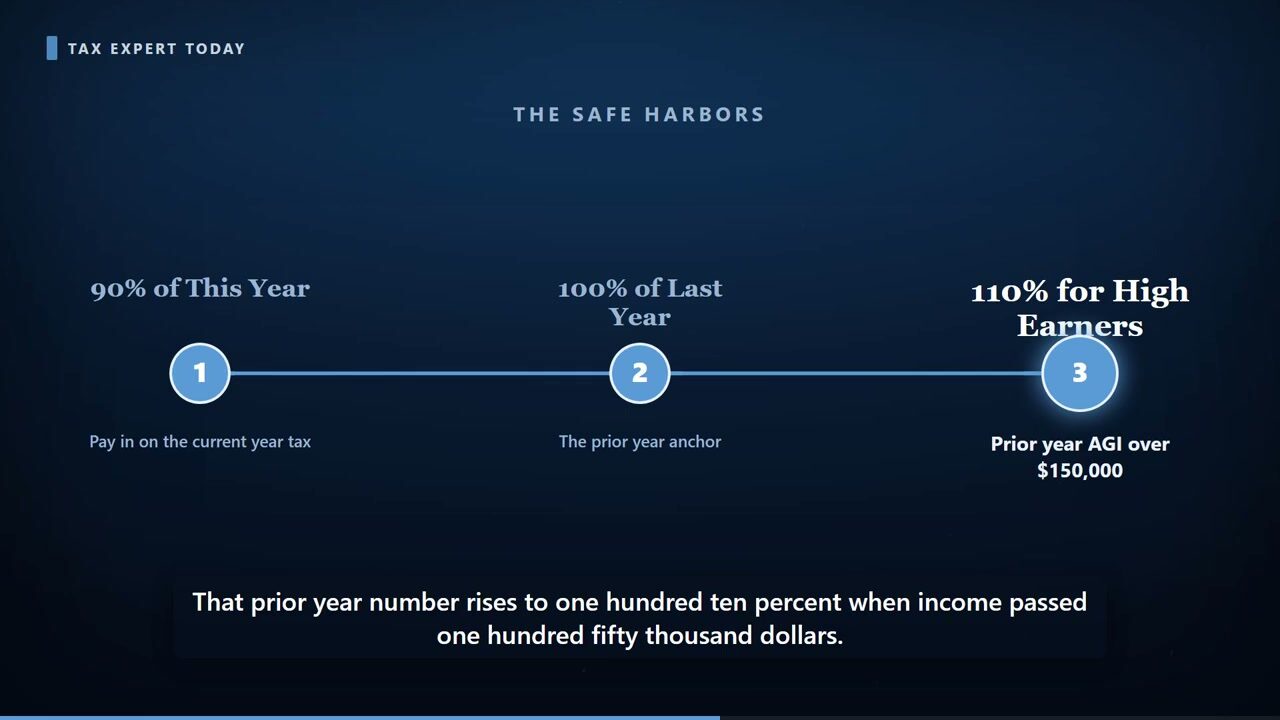
The bigger-refund pattern is largely a 2025 story; the more relevant question for 2026 planning is whether withholding and estimated payments already reflect the law now that it is fully in effect. High earners who make quarterly estimated payments, including business owners, investors with significant capital gains and anyone with equity compensation, may find it worth revisiting the safe-harbor assumptions behind those payments with a CPA, since basing 2026 estimates on a 2025 liability that was itself distorted by the withholding lag can compound the timing mismatch into another year. A household that instead updates its Form W-4 or its estimated payment schedule to reflect the law's provisions can capture the same tax savings throughout the year rather than as a single refund next spring.
What to watch
The IRS updates these statistics weekly through the filing season, and the gap between fewer returns filed and a larger average refund could change as the filing mix shifts later in the season, including returns from high earners who file closer to the April deadline or on extension. Whether the IRS issues updated withholding guidance ahead of the 2027 season, to prevent the same lag from recurring, remains an open question the agency has not addressed.
Sources
- First reported Filing season statistics for week ending Feb. 13, 2026 — IRS
- Tracking Three IRS Datapoints to Watch During the 2026 Tax Filing Season — Tax Foundation
After TAX is an independent publication. Articles are general information, not tax, legal or investment advice. Consult a licensed professional about your situation.