A House committee voted 38-5 to undo the 90% cap on gambling loss deductions and restore a 100% deduction retroactive to Jan. 1, 2026, a move that could reverse taxable “phantom” income for some players.
A new policy paper argues Congress still has not resolved when staking and mining rewards should be taxed, leaving taxpayers to rely on IRS guidance as court disputes continue.
The House Ways and Means Committee approved legislation that would repeal the new 90% cap on gambling loss deductions, but the change still needs House, Senate and presidential approval before 2027.
A new look at the Texas Senate race shows sharply different tax agendas, from new household deductions under Ken Paxton to higher taxes on billionaires and corporations under James Talarico.
A House tax package filed September 15 would exclude certain crypto network fees of $10 or less from gain-or-loss recognition and, for the first time, apply wash-sale rules to digital assets.
Senate Finance Committee questions for Jim Gadwood and Andrew De Mello could shape how the IRS handles audits, taxpayer privacy disputes, and court challenges under the Trump administration.
A report on Florida Senate nominee Angie Nixon said she owed nearly $14,000 to the IRS and about $17,600 in federal student loans, putting attention on payment-plan rules and debt disclosure requirements.
A growing bipartisan discussion in Washington about raising or removing Social Security’s payroll tax cap could shift more of the program’s funding burden to top earners while helping reduce future benefit cuts.
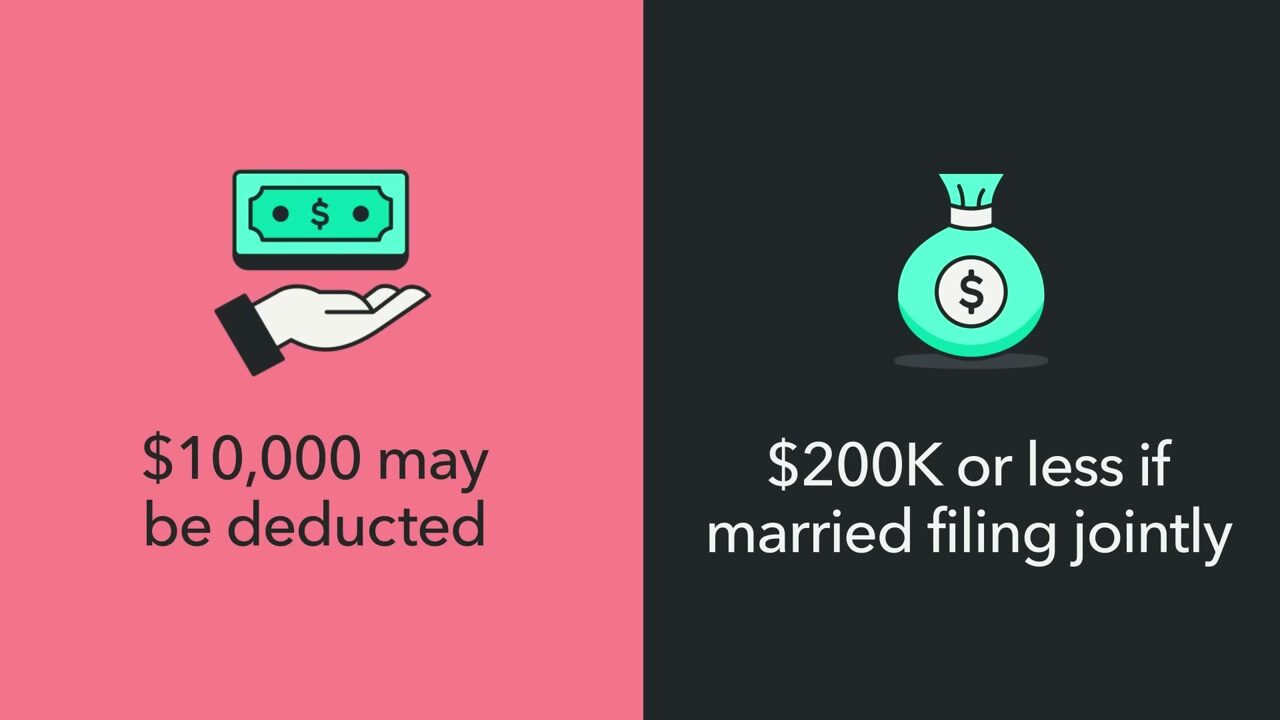
T.D. 10054 finalizes the deduction for interest on loans for new U.S.-assembled vehicles, but income phaseouts that begin at $100,000 and $200,000 limit its value for high earners.
Guidance on the now-permanent Section 45S credit explains how companies can base the credit on leave insurance premiums and extends eligibility to part-timers working 20 hours a week.
Rep. Jodey Arrington's proposal would stop digital-asset investors from selling at a loss and buying right back, closing a gap that has made crypto the last easy venue for loss harvesting.
The IRS says tens of millions of filers claimed the new overtime, senior and car-loan breaks. For households earning well into six figures, the income limits erase most of them, leaving a shorter list.
Early 2026 filing-season data shows refunds up 11%, overtime deduction claims double the projection, and the SALT cap increase delivering roughly a quarter of the new law's tax cuts to high-income households.
Guidance issued April 6 opens a nomination window this summer for a renewed Opportunity Zone map, giving investors with large capital gains a new, recurring vehicle to defer and reduce tax on reinvested profits.
House Bill 463, passed on the final day of Georgia's session, speeds rate cuts toward 3.99%, raises standard deductions and drops several credits, reshaping the math for high earners weighing a Southeast move.
Republicans are debating a follow-up to last year's tax overhaul, with defense and border funding competing against Ways and Means for a seat in any new package.
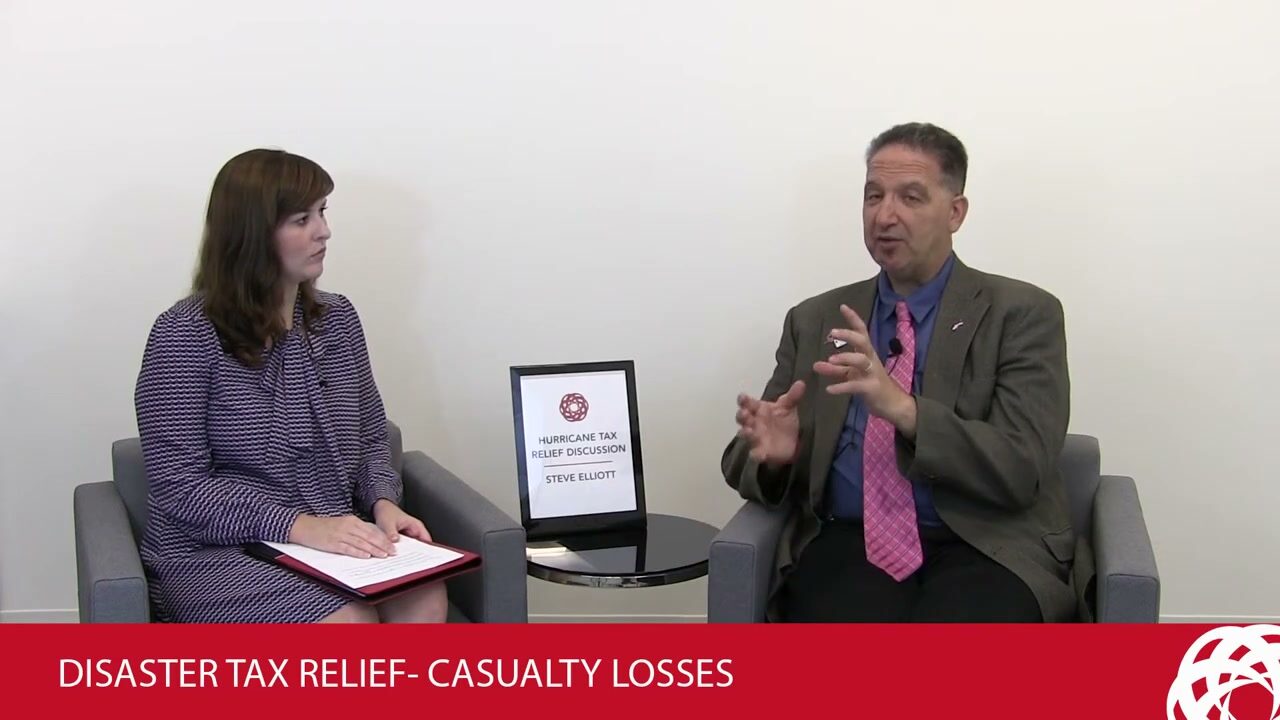
The House committee unanimously approved bills extending casualty-loss deductions through 2027, upgrading IRS service, and raising the stakes for whistleblower awards.
A constitutional amendment would phase out Missouri's income tax using revenue-triggered cuts and a broader sales tax, one year after the state exempted capital gains entirely.
The retooled online calculator now factors in the tips, overtime, senior and car-loan-interest deductions, giving high earners a way to rework their 2026 W-4 before a surprise tax bill or penalty arrives.
Senate Democrats say the Vacancies Act clock ran out March 6 with no nominee, leaving the IRS without a Senate-confirmed leader as complex filers wait on guidance and service.
IRS statistics for the week ending February 13, 2026 show fewer people have filed, but the average refund has climbed to $2,476, the first hard evidence that OBBBA's retroactive tax cuts are reaching bank accounts.
A bipartisan 38-11 vote sends a bill undoing last year's rate increase toward the House, with the lower rate applying only to deaths on or after July 1, 2026.
The Congressional Budget Office's new baseline shows deficits $1.4 trillion higher than previously projected through 2035, a gap large enough that it raises real odds of higher taxes on high earners down the road.
The National Taxpayer Advocate's annual report to Congress says a 27% smaller IRS, paired with dozens of new retroactive tax rules, will make 2026 harder for any filer who runs into a problem.
DAFgiving360 donors alone granted $9.9 billion to charity in 2025, up 28%, as wealthy households front-loaded appreciated-stock gifts ahead of OBBBA's new floor and cap on charitable deductions.
Treasury's answers make clear that salaried exempt professionals get nothing and that only the half in time-and-a-half counts, though some affluent households may still claim it through a spouse or relative.
At the 60th Heckerling Institute, a leading panel warned that OBBBA's 2/37 itemized deduction haircut may reach trust distributions, as planning shifts from estate tax toward income tax.
The 2025 tax law cut individual taxes by about $129 billion, but paycheck withholding was never updated, so much of that cut, including the $40,000 SALT cap, arrives as a refund this spring.
The interim guidance explains when property counts as acquired, how the 40% election works and what taxpayers may rely on, a roadmap for real estate owners weighing cost-segregation studies.
About 164 million individual returns are expected by the April 15 deadline, the first to reflect the $40,000 SALT cap and a new schedule for deductions on tips, overtime, car loan interest and seniors.
Treasury's proposed regulations define which US-assembled vehicles and loans qualify and create new lender reporting, but the benefit fades above $100,000 of income, or $200,000 for joint filers.
From 2026 the AMT exemption starts phasing out at $1 million for joint filers and disappears twice as fast, so the bargain element on incentive stock options is far more likely to trigger AMT.
National Philanthropic Trust says grants from its donor-advised funds grew 20% to $6.61 billion in fiscal 2025, a surge that coincides with new limits on the charitable deduction starting in 2026.
New Treasury guidance halves the improvement threshold for rural Opportunity Zone projects and sets up a permanent program with a bigger tax break for capital gains invested outside cities.
In an August 2025 special session, Colorado signed bills that keep taxing income the federal One Big Beautiful Bill Act now shields, raising state bills for owners of pass-through businesses.
Treasury and IRS guidance issued August 21 explains how a binding contract and payment can preserve the $7,500 EV credit, and why home energy credits turn on installation, not payment.
Paychecks and year-end forms will not reflect the July tax law this year, leaving high earners to square up a larger SALT deduction and other changes through estimates and their 2025 returns.
The new tax law restores full first-year write-offs for property acquired after January 19, 2025, and more than doubles Section 179, changing how owners time big purchases.
The Congressional Budget Office reported July 21, 2025 that the tax and spending law signed on July 4 will add $3.4 trillion to deficits through 2034, a number that matters for anyone planning around today's rates.
Gov. Mike Kehoe signed House Bill 594, letting individuals deduct 100% of federally reported capital gains, short-term and long-term, starting with the 2025 tax year.
The One Big Beautiful Bill Act makes the 2017 rate structure permanent but adds new limits on itemized and charitable deductions that land squarely on top-bracket households.
 September 17, 2026 at 2:33 AM PDT