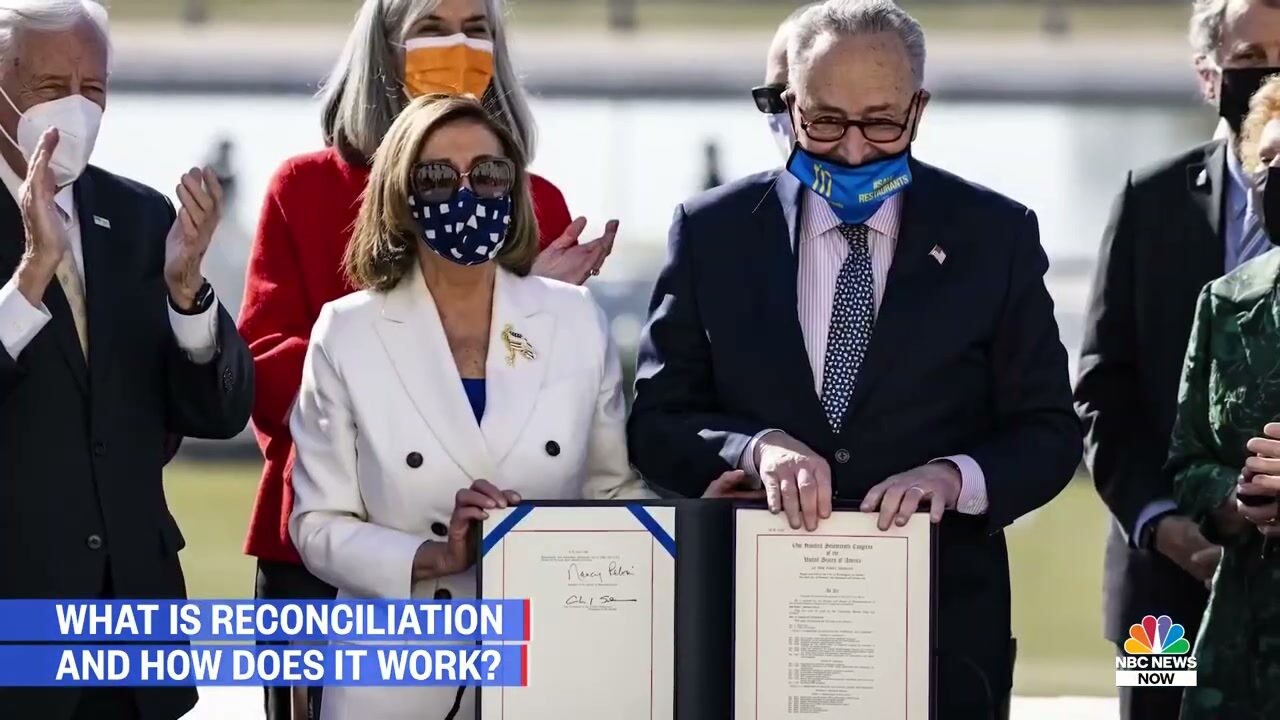
As of March 31, 2026, congressional Republicans were openly debating whether to attempt a second budget reconciliation bill this year — a follow-up to 2025's One Big Beautiful Bill Act, which used the same fast-track procedure to pass a sweeping set of tax changes with a simple majority. The conversation, dubbed "reconciliation 2.0" by tax advisers tracking it, is real, but as of this date nothing has been introduced, and the odds and contents remain genuinely uncertain.
What changed
House Ways and Means Chairman Jason Smith has said that if a second reconciliation bill happens, tax policy will have "a significant footprint," while also cautioning that it is rare for two partisan reconciliation bills to pass in the same Congress. Separately, Speaker Mike Johnson has pushed for a second reconciliation package, an effort that reporting from a House Republican retreat described as meeting notable skepticism from members of his own conference. The pressure driving the discussion is not primarily about taxes: administration requests for roughly $200 billion in supplemental defense and homeland security funding, disagreements over border and immigration enforcement funding, and demands tied to citizenship verification legislation are the stated triggers. If a bill does move, it would likely be narrower and more defense-and-security focused than last year's broad tax package, according to tax advisers tracking the discussions.
Who is affected
High earners and business owners who benefited from OBBBA's provisions — the higher estate tax exemption, permanent lower individual brackets, and expanded business deductions among them — are watching this debate for two reasons. First, any reconciliation bill needs a way to pay for new spending, and tax increases on higher earners are one of the tools Congress has used in the past to offset costs in these packages. Second, if tax policy does get a seat at the table as Chairman Smith suggested, unresolved or sunsetting provisions from OBBBA could be revisited, extended, or modified. Nothing in the current reporting specifies which provisions might be targeted, and it is too early to assume either tax increases or additional tax cuts are more likely.
The after-tax math
Because no bill text exists yet, there is no worked example of a specific tax change to run. What is measurable is the political math: reconciliation requires only a simple majority in the Senate rather than the 60 votes needed to overcome a filibuster, which is why it was the vehicle for OBBBA and why it remains attractive for a follow-up package. But reconciliation rules also limit what can be included — provisions must have a primarily budgetary effect under the Senate's "Byrd rule" — which constrains how broad a second bill focused on defense and border funding could get on the tax side without running into procedural objections.
What to watch
Nothing here is settled: no bill has been introduced, the House Republican conference has shown public skepticism, and the administration's funding requests are still being negotiated. High earners and business owners with planning decisions that depend on tax law staying fixed — timing a business sale, funding a trust, or making large charitable gifts — should treat 2026 as a year where the law could still move, even though OBBBA's core individual provisions were written to be permanent rather than temporary. It may be worth checking in with a tax adviser periodically through the year rather than assuming current law is the final word, and watching whether Ways and Means Committee activity (like the bipartisan bills it advanced on IRS service and disaster relief in late March) evolves into something larger.
The history behind the debate
Reconciliation has been used sparingly in modern Congresses precisely because it is powerful: it lets a party with narrow majorities in both chambers pass major legislation, tax changes included, without needing a single vote from the other party. The 2025 OBBBA process showed both the upside (permanence for lower brackets, the larger estate tax exemption, and business deductions that might otherwise have expired) and the limits (provisions with only an incidental budget effect can be stripped out by the Senate parliamentarian under the Byrd rule, which is one reason some ideas floated for reconciliation 2.0 may not survive intact). Whether Republicans attempt a repeat this year will likely depend less on tax policy itself than on whether leadership can find consensus on the defense and border funding that is driving the current push, with tax provisions riding along if a vehicle materializes at all.
Sources
- First reported Bipartisan tax bills advance, GOP revisits 'reconciliation 2.0' — Grant Thornton
- Are Further Tax Changes Possible in Reconciliation 2.0? — Thomson Reuters Tax & Accounting
- Mike Johnson's Push for a Second Reconciliation Bill Falls Flat at Republicans' Retreat — NOTUS
After TAX is an independent publication. Articles are general information, not tax, legal or investment advice. Consult a licensed professional about your situation.


