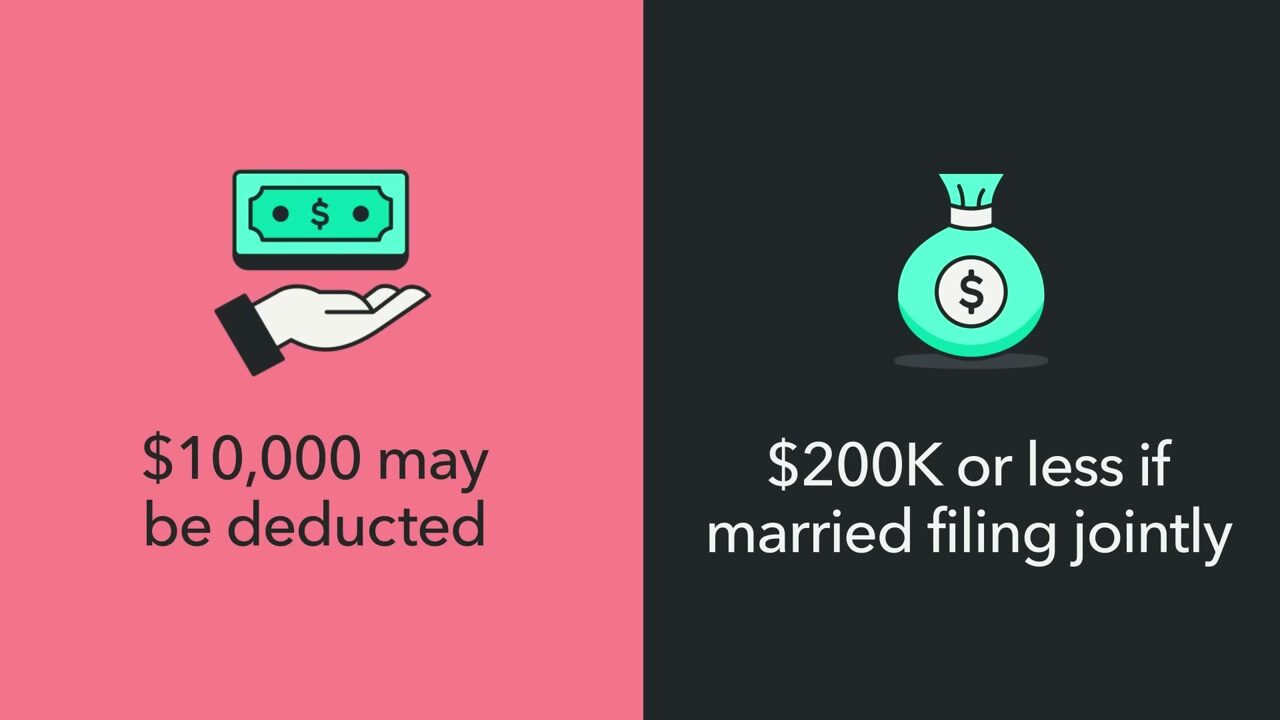
Treasury and the IRS have finalized regulations for the deduction on interest paid on new-vehicle loans, one of the headline individual provisions of the 2025 tax law. The final rules, T.D. 10054, became public on September 4, 2026, when tax analysts began publishing reviews of the text, and appeared in the Federal Register on September 8. They keep the statutory $10,000 annual cap and settle several questions lenders and borrowers raised about the proposed version issued in January.
What changed
The deduction applies to interest on loans originated after December 31, 2024, for tax years beginning before January 1, 2029. According to the IRS, qualifying vehicles are new cars, minivans, vans, SUVs, pickup trucks and motorcycles with a gross vehicle weight rating under 14,000 pounds and final assembly in the United States. The loan must be secured by a lien on the vehicle and taken out for personal use. Lease payments do not qualify. The deduction is available whether or not a taxpayer itemizes, and the vehicle identification number must be reported on the return.
An analysis of the final rules by Current Federal Tax Developments highlights several changes from the proposal that favor borrowers:
- Delays in perfecting a lien no longer disqualify a loan, and involuntary liens do not block eligibility.
- Personal use is tested when the loan originates, not on an ongoing basis.
- Amounts financed for items such as GAP insurance, credit insurance, tire, wheel and paint protection, and key fob replacement can count toward the qualifying loan.
- Negative equity rolled in from a trade-in must be allocated separately, with cash down payments applied against it first; interest on negative equity does not qualify.
- On a refinancing, accrued unpaid interest can be capitalized, and original borrowers keep eligibility when new co-borrowers are added.
Lenders that receive $600 or more of interest in a year on these loans must file information returns on the new Form 1098-VLI and furnish statements to borrowers. The regulations take effect November 9, 2026, and apply to tax years beginning after December 31, 2024.
Who is affected
The IRS says the deduction phases out for modified adjusted gross income above $100,000 for single filers and $200,000 for joint filers. For many households this publication covers, that means a reduced deduction. It is most relevant to single filers near the $100,000 line, married couples near $200,000, and families with a year of unusually low income, such as a sabbatical, a business loss or the first year of retirement.
The after-tax math
Example with round numbers: a single filer with modified adjusted gross income of $95,000 finances a new U.S.-assembled SUV and pays $6,000 of interest in 2026. Because income is below the phaseout threshold, the full $6,000 is deductible. Under the IRS's 2026 brackets, single filers pay 22% on taxable income between $50,400 and $105,700, so the deduction is worth about $1,320 in federal tax. A married couple earning $400,000 with the same loan would sit $200,000 into the phaseout range, where the deduction is reduced, so the value of the break falls sharply as income rises.
Business-use vehicles
Because the loan must be for personal use when it originates, a vehicle bought primarily for a business falls outside this deduction. Interest on a business vehicle is generally handled under the ordinary business expense rules instead, which carry their own substantiation requirements and are separate from this provision's income limits. How the vehicle is titled, financed and used determines which rules apply, a question business owners often review with a CPA before buying.
What to watch
Lenders are building Form 1098-VLI reporting, so borrowers can expect more standardized interest statements. The deduction is scheduled to end after 2028 unless Congress extends it.
Sources
- First reported Analyzing the New Regulations on the Car Loan Interest Deduction: A Technical Guide for Tax Professionals — Current Federal Tax Developments
- Car Loan Interest Deduction (T.D. 10054) — Federal Register
- One, Big, Beautiful Bill Act: Tax deductions for working Americans and seniors — IRS
- IRS releases tax inflation adjustments for tax year 2026, including amendments from the One, Big, Beautiful Bill — IRS
After TAX is an independent publication. Articles are general information, not tax, legal or investment advice. Consult a licensed professional about your situation.


