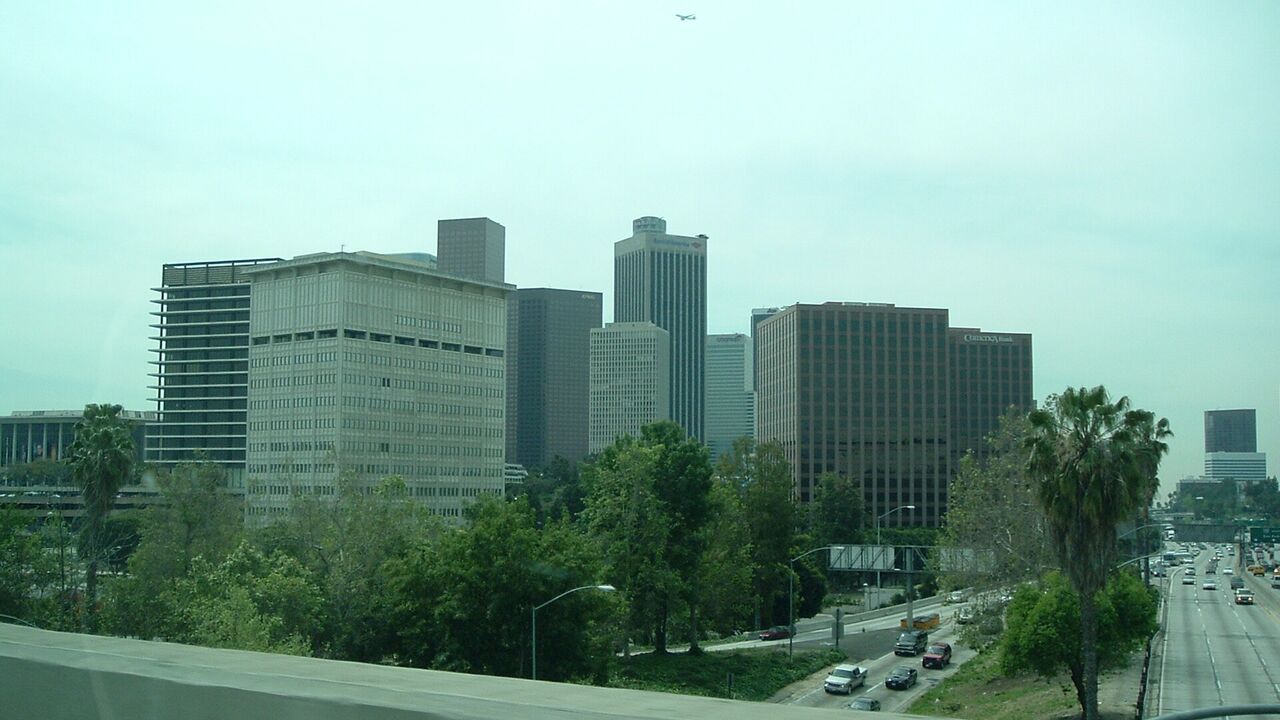
The Los Angeles City Council declined on January 27, 2026, to fast-track a rewrite of Measure ULA, the city's tax on large real estate sales known as the mansion tax, sending a reform package proposed by Councilmember Nithya Raman to committee rather than the June 2026 ballot. The vote came in the same stretch of January in which the city reported that Measure ULA has now collected more than $1 billion since it took effect in April 2023, money earmarked for affordable housing and homelessness prevention.
What happened
Voters approved Measure ULA, formally United to House LA, in November 2022. It adds a city transfer tax on top of the existing county and state fees whenever real property in Los Angeles sells above set dollar thresholds, covering residential, commercial and industrial deals alike. Raman's proposal would have created a 15-year exemption from the tax for newly built or substantially rehabilitated multifamily, commercial and mixed-use projects, plus relief for owners affected by wildfire, arguing the tax was discouraging the housing construction the city needs. Supporters of the measure packed the council chamber to oppose the change, and the council sent it to committee instead of placing it on the ballot, a move that effectively takes a 2026 vote off the table even though the measure remains formally alive.
Who is affected
The tax applies to any qualifying sale of property located within the city of Los Angeles, not the broader county, so it reaches homeowners, developers and business owners selling appreciated real estate of nearly any type once the price clears the threshold. As of the current 2025-26 adjustment period, the rate is 4% of the full sale price for any qualifying property selling at $5.3 million or more, rising to 5.5% of the full sale price at $10.6 million or more, on top of the county's own documentary transfer tax. Because the tax is not a marginal rate on the amount above a threshold, but a flat percentage of the entire price once a sale clears it, and the thresholds are set in dollars rather than adjusted for a seller's basis or gain, the tax lands hardest on longtime owners of appreciated commercial buildings and high-end homes, not just newly built luxury property.
The after-tax math
Because Measure ULA taxes the whole transaction price rather than just the amount above a threshold, crossing a threshold by even a small amount changes the entire tax bill, not just the marginal portion. Example: a property that sells for $10,590,000, just under the top threshold, owes 4% of the full price, or about $423,600. The same property selling for $10,610,000, only $20,000 more, crosses into the 5.5% tier and owes 5.5% of the full price, or about $583,550, roughly $159,950 more tax for a $20,000 higher sale price. The same cliff exists at the lower $5.3 million threshold, where a sale just above the line owes 4% of the entire price while a sale just below it owes nothing. Research from UCLA's Lewis Center for Regional Policy Studies has found the tax measurably suppresses transactions right around its thresholds, estimating the odds of a property selling just above the original $5 million mark fell by as much as 55% compared with sales just below it.
Moves to discuss with your advisor
Owners of California real estate above the thresholds may want to model the after-tax proceeds of a sale with a CPA or real estate attorney before setting an asking price, since the tax is typically negotiated as a seller cost but can shift in a competitive deal. Structuring considerations, such as splitting a large mixed-use parcel into separate transactions or timing a sale around anticipated threshold adjustments each July, are the kind of questions worth raising early, not after a contract is signed, since the tax generally attaches at the point of sale regardless of the seller's original purchase price or gain.
What to watch
With the City Council's rewrite parked in committee, the fight over the mansion tax's design looks likely to move to Sacramento and to statewide ballot efforts rather than City Hall in the near term. The tax's annual inflation adjustment, which raised the thresholds from their original $5 million and $10 million marks, will reset again in July 2026, a date sellers weighing a sale later this year may want to keep in view.
Sources
- First reported Los Angeles won't be tweaking its 'mansion tax.' Now the debate is likely to go statewide — CalMatters
- The ULA Ordinance and Recent Updates — Hanson Bridgett
- Los Angeles's Mansion Tax Has Raised Less Money for Affordable Housing Than Expected — UCLA Lewis Center for Regional Policy Studies
After TAX is an independent publication. Articles are general information, not tax, legal or investment advice. Consult a licensed professional about your situation.