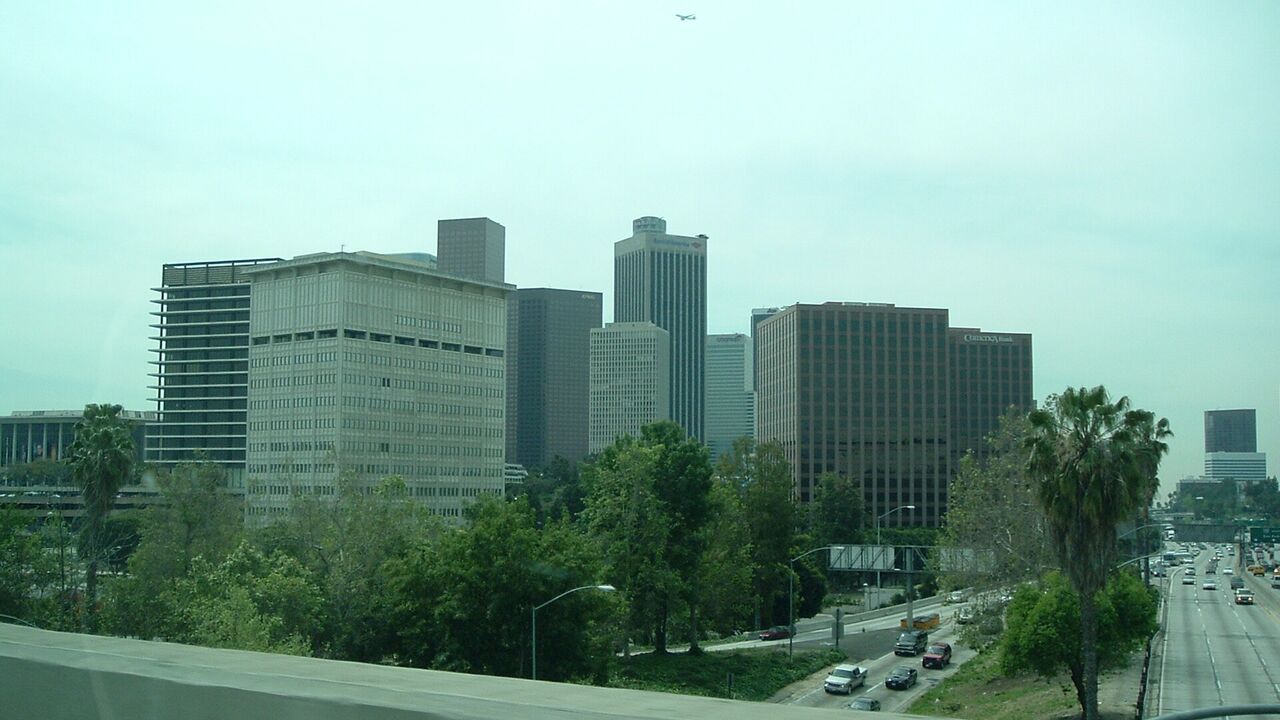
New York Governor Kathy Hochul announced on April 15, 2026, that she would back a new annual surcharge on non-resident-owned second homes in New York City valued at $5 million or more, according to the Governor's office. As proposed, the tax would apply to condos, co-ops and townhouses that sit largely unoccupied because their owners live elsewhere, while exempting units that are rented to primary residents or used regularly by the owner's family. Hochul framed the measure as a fairness argument: "If you can afford a $5 million second home that sits empty most of the year, you can afford to contribute like every other New Yorker."
What changed
Pied-a-terre taxes have circulated in Albany for years without passing, usually running into opposition from the real estate industry and concerns about co-op and condo boards' ability to verify occupancy. This is the first time a sitting governor has publicly backed the concept as part of an executive budget proposal, which gives it a more direct path through budget negotiations than prior stand-alone bills introduced by individual legislators. As announced, the proposal is a starting point for negotiation, not enacted law, and details such as the exact rate structure and enforcement mechanism were still to be worked out with the legislature.
Who is affected
The tax targets a specific and narrow slice of the market: non-New York residents who own high-value Manhattan or other New York City properties purely as pieds-a-terre rather than primary or rental homes. Out-of-state and international buyers who treat a New York City apartment as an occasional-use asset, rather than a place they or a tenant live most of the year, are the direct target. Full-time New York City residents, and owners who rent their second units out, would not owe the surcharge under the exemption Hochul described. The $5 million threshold puts the tax squarely on the ultra-luxury end of the market, well above the median Manhattan sale price, so it is designed to reach a relatively small number of the city's most expensive units rather than ordinary second-home buyers.
The after-tax math
The proposal as announced did not specify an exact rate, so the following illustrates the mechanics rather than final numbers. Example: an out-of-state owner holds a $10 million Manhattan apartment used only a few weeks a year.
| Scenario | Annual pied-a-terre surcharge |
|---|---|
| Property rented to a primary resident | $0 (exempt) |
| Property occupied by owner's immediate family as their home | $0 (exempt) |
| Property vacant or used only occasionally by the non-resident owner | Surcharge applies (rate to be set in final legislation) |
Because the mechanics depend on final legislative language, owners cannot yet calculate an exact dollar impact, but the structure signals that occupancy and rental status, not just assessed value, will determine liability once a bill is finalized.
Moves to discuss with your advisor
- Owners of high-value New York City second homes should track how the proposal evolves during budget negotiations, since the final rate and exemption rules could change substantially from the initial announcement.
- Households considering renting out a rarely used New York City property, for reasons independent of this proposal, may want to weigh how a lease would also satisfy a future occupancy exemption.
- Buyers currently shopping for a New York City pied-a-terre should factor the possibility of an annual surcharge into long-term ownership cost estimates.
What to watch
New York's budget process typically runs past the April 1 statutory deadline, and a pied-a-terre tax proposal has failed to survive final negotiations in past years. Whether this version, backed directly by the governor, makes it into the final enacted budget, and in what form, will determine whether owners of vacant luxury units actually face a new annual bill or whether the idea is again set aside. The projected $500 million in annual revenue would flow to New York City rather than the state, giving city officials a direct financial stake in how the final negotiation plays out.
Sources
- First reported Governor Hochul Announces Pied-a-terre Tax Proposal for Luxury Second Homes Valued at $5 Million or More — Office of the Governor of New York
- Hochul Backs New Tax on Second Homes in New York City Worth at Least $5 Million — Bloomberg
After TAX is an independent publication. Articles are general information, not tax, legal or investment advice. Consult a licensed professional about your situation.