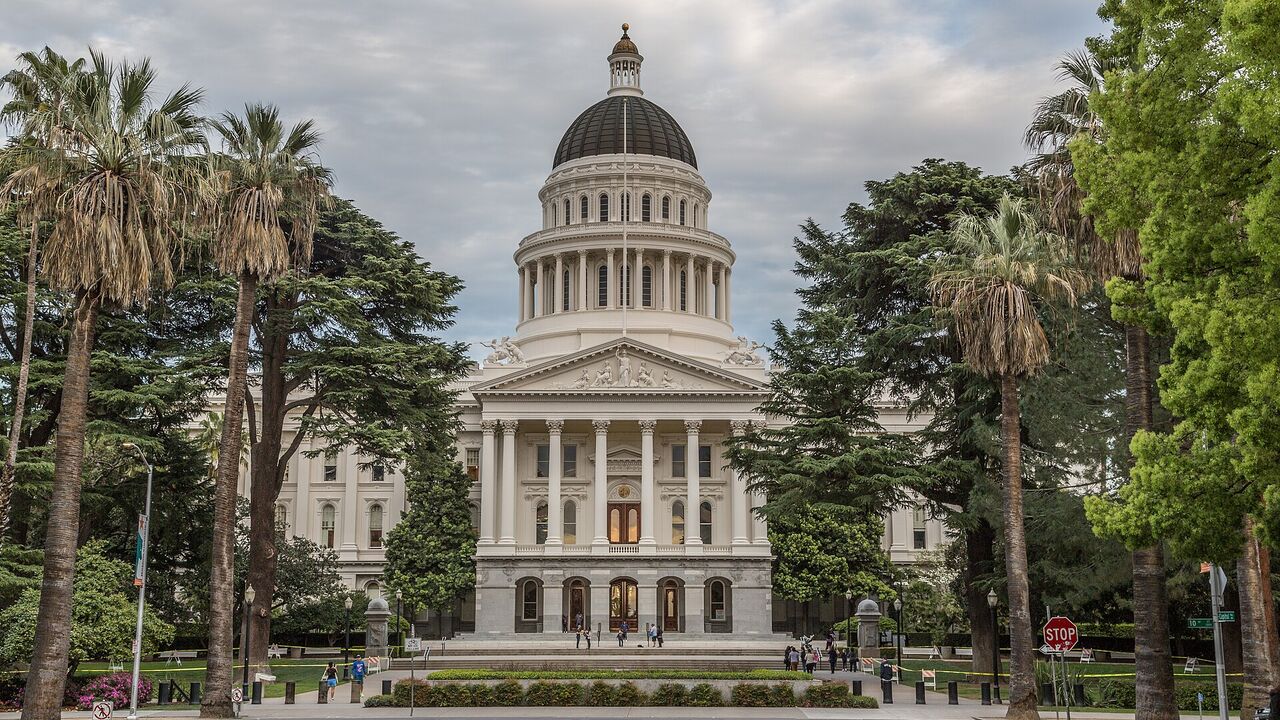
The Washington Legislature gave final approval on March 11-12, 2026 to Senate Bill 6346, a 9.9% tax on household income above $1 million, ending the state's long run as a place with no broad tax on wages, business income or capital gains beyond a narrow existing levy. The bill, sponsored by more than two dozen lawmakers and passed by the Senate 27-21 in a concurrence vote after the House approved it 51-46, now heads to Governor Bob Ferguson's desk, according to the official bill record. For Washington's concentration of tech and business wealth, it is the first serious tax on ordinary high income the state has ever adopted.
What changed
SB 6346 applies a flat 9.9% rate to taxable household income above $1 million, with the threshold structured as a shared exemption between spouses or registered domestic partners and indexed to inflation going forward. The tax takes effect January 1, 2028, with the first returns and payments due in 2029, and is projected to raise roughly $3 billion to $4 billion a year for public education, child care and other services, according to legislative backers. Washington has never had a general income tax; its constitution has for nearly a century been read by the state Supreme Court as classifying income as property, which under the constitution must be taxed uniformly and cannot exceed 1% annually — a reading that has struck down every prior attempt at a graduated income tax.
Who is affected
Backers estimate the tax will reach a small slice of residents — well under 1% of households, concentrated in and around Seattle's technology and finance sectors, where large salaries, bonuses and vested equity routinely push total compensation past $1 million in a given year. Because the threshold applies to total household income rather than just wages, a family with one high earner and meaningful investment or business income could cross it even without an unusually large paycheck.
The after-tax math
The new tax layers on top of Washington's existing 7% capital gains excise tax on long-term gains above an inflation-adjusted threshold (roughly $270,000 for 2024). The law includes a credit so that gains taxed under the capital gains excise tax are not taxed twice under the new income tax, but the credit can erase much of the benefit high earners currently get from the lower capital gains rate once total income tops $1 million.
Example: a Seattle household reports $1.6 million of income in 2028 — $1.1 million in wages and bonuses plus $500,000 in long-term capital gains already subject to the 7% excise tax (about $35,000). Under SB 6346, the $600,000 of household income above the $1 million threshold would face the 9.9% rate, a bill of roughly $59,400, offset by a credit for capital gains tax already paid on the portion of gains caught by both taxes. Even accounting for the credit, the household's combined state tax burden on income above $1 million rises sharply compared with 2026, when only the capital gains portion was taxed at all.
Moves worth discussing with a CPA or financial planner
With roughly two years before the tax takes effect, households near the threshold may want to review the timing of large one-time events — a business sale, a concentrated stock-vesting year, a Roth conversion — that could be pulled forward into a year before 2028. Because the law is being enacted through the ordinary legislative process rather than a voter initiative, some lawmakers structured it to limit referendum challenges, which is likely to be tested in court; households already weighing a move to a no-income-tax state such as Nevada or Texas for other reasons may find the new law adds to the calculation, though residency changes carry their own strict domicile rules that a CPA or attorney should review well before any move.
What to watch
Watch for Governor Ferguson's action on the bill, expected within the statutory signing period; the near-certain constitutional challenge built on the state's decades-old property-tax theory of income; and whether opponents pursue a public vote to repeal the law before it takes effect in 2028.
Sources
- First reported SB 6346 bill summary — Washington State Legislature
- Income tax signed in Washington with a legal challenge close behind — Washington State Standard
- Ferguson signs Washington income tax targeting millionaires — Axios Seattle
- Washington Millionaires' Tax, Expanded Working Families Tax Credit Make Tax Code Fairer — Institute on Taxation and Economic Policy
After TAX is an independent publication. Articles are general information, not tax, legal or investment advice. Consult a licensed professional about your situation.