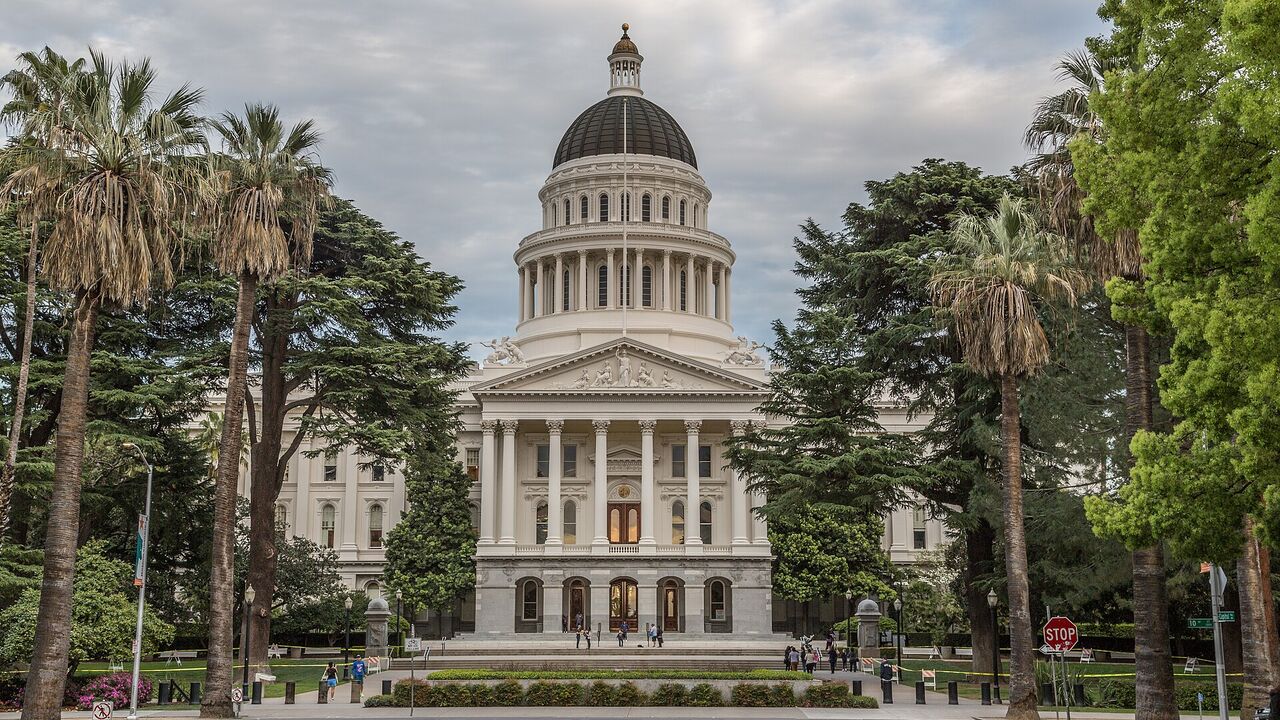
Invest in MI Kids, the ballot committee behind a proposed constitutional amendment to add a 5% surtax on high earners to fund K-12 schools, announced on March 13, 2026 that it is suspending its signature drive and will not appear on Michigan's 2026 ballot. The group said it fell hundreds of thousands of signatures short of the roughly 446,198 valid signatures required, having gathered close to 250,000.
What was proposed
The measure would have layered an additional 5% tax on top of Michigan's existing flat income tax rate for income above $500,000 for single filers and $1 million for joint filers. Michigan is one of a small number of states with a constitutionally protected flat income tax, so raising rates on high earners specifically requires amending the state constitution through a ballot initiative rather than an ordinary legislative vote. Backers had projected the surtax would generate on the order of $1.7 billion a year, earmarked for public school funding. Because Michigan's constitution currently requires a single flat rate for all taxpayers, the surtax could only reach voters as a proposed constitutional amendment rather than as an ordinary bill moving through the legislature, which is why organizers needed hundreds of thousands of voter signatures rather than a simple majority vote in Lansing.
Who was affected — and who still should pay attention
Because the proposal targeted a small slice of Michigan tax filers, most residents would not have owed the surtax directly. But the household types this publication's readers most resemble — business owners with pass-through income, executives with large equity or bonus compensation, and dual-earner professional couples with joint income above $1 million — were exactly the group in the crosshairs. Owners of S corporations, partnerships, and other pass-through entities would have been particularly exposed, since business profits from those structures flow onto the owner's individual Michigan return and would have counted toward the $500,000 or $1 million thresholds alongside wages and investment income. For 2026, the immediate effect is that Michigan's flat tax structure remains unchanged for now.
The after-tax math, illustrated
Consider a Michigan couple filing jointly with $1.4 million of combined taxable income. Under the proposal, the surtax would have applied only to the $400,000 above the $1 million threshold, producing an additional state tax bill of about $20,000 a year (5% of $400,000), on top of what they already pay under Michigan's flat rate. Because the measure did not qualify for 2026, no such surtax will appear on Michigan returns filed for the 2026 or 2027 tax years, but the arithmetic illustrates the scale of exposure such households would face if a similar measure eventually passes.
Why the drive fell short
Organizers cited the practical difficulty of collecting enough valid signatures within Michigan's petition window, a hurdle that has derailed similar “millionaire tax” style ballot efforts in other states before succeeding on a later attempt. Invest in MI Kids pointed to Massachusetts, where a comparable surtax on income above $1 million took multiple campaign cycles before voters approved it. The Michigan group indicated it intends to resume organizing in 2027 with an eye toward the 2028 ballot. That timeline gives supporters roughly two additional years to build coalition support and refine the proposal's thresholds or carve-outs before attempting to qualify again.
What to watch
Affluent Michigan households, particularly business owners and executives near or above the proposed thresholds, may want to keep the 2028 timeline on their radar rather than treating this as a closed issue. Because a constitutional surtax of this kind would be difficult to plan around retroactively, some households affected by a similar proposal elsewhere have used the multi-year runway to review entity structure, timing of large income events such as business sales, and residency considerations with a CPA or financial planner well before any measure reaches a ballot, let alone takes effect. Massachusetts' experience is the closest precedent: a similarly structured surtax on income above $1 million there failed at the ballot twice before voters approved it on a third attempt, a reminder that a stalled campaign in one cycle does not necessarily signal the idea is dead.
Sources
- First reported Michigan school tax campaign suspends 2026 ballot effort — The Detroit News
- Invest in MI Kids suspends graduated income tax drive — Crain's Detroit Business
- Millionaire tax proposal for Michigan schools pulled from 2026 ballot plans — Michigan Advance
- Michigan Additional 5% Tax on Annual Taxable Income to Fund Public Schools Initiative (2026) — Ballotpedia
After TAX is an independent publication. Articles are general information, not tax, legal or investment advice. Consult a licensed professional about your situation.