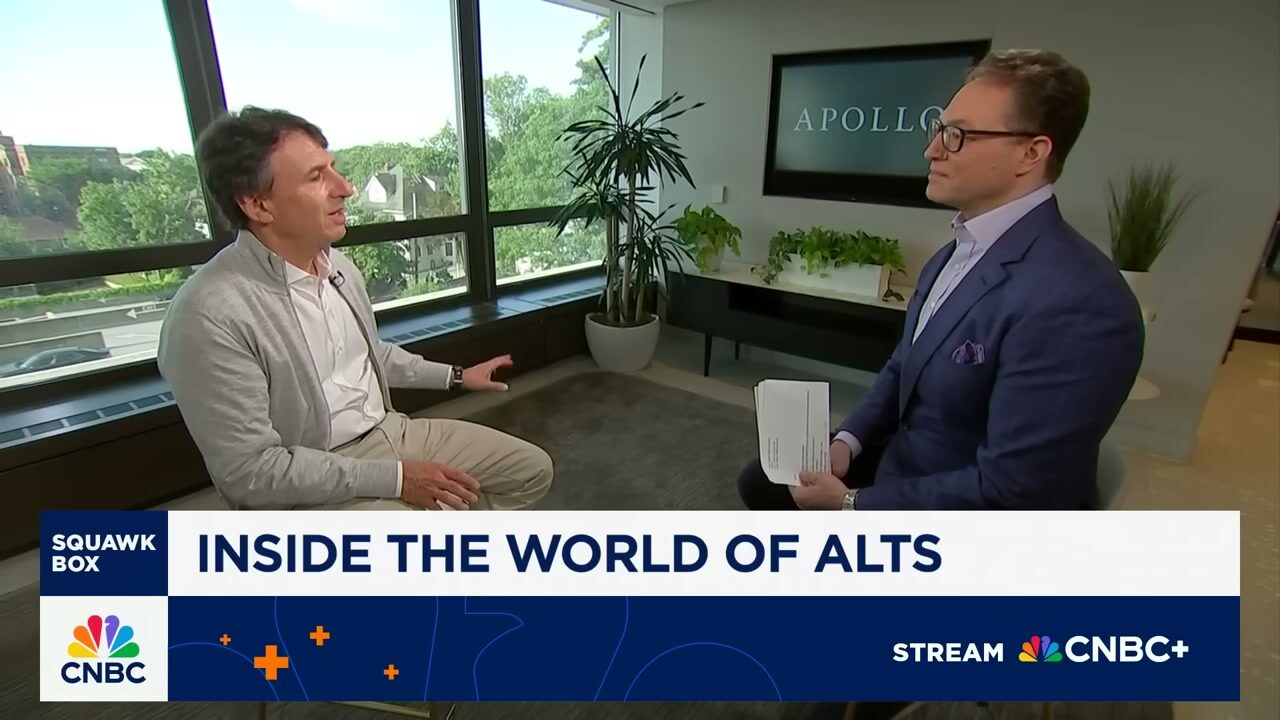
Private banks worried about losing advisors are finding that a broader shelf of alternative investments helps keep them, according to research Cerulli Associates released September 3, 2026. For bank clients, that points to more pitches for private equity, private credit and similar funds, products whose after-tax results depend on paperwork, timing and liquidity as much as on returns.
What the research found
Drawing on its latest report on U.S. private banks and trust companies, Cerulli found that 84% of bank executives cite talent retention as a concern and 47% see advisor retention as a major business risk. Among advisors, 41% rank the financial products available as a key reason for joining their firm. Product breadth placed third among advisors' reasons, behind client referrals and firm reputation. Yet only 11% of executives named expanding the product or investment platform as a retention tactic.
Senior analyst Matt Zampariolo described product choice as one of the largest points of disconnect between executives and their advisors. Cerulli's conclusion is that institutions willing to widen advisor choice and product capabilities are better positioned, which in practice often means more access to alternatives.
Who is affected
Most private funds are sold only to accredited investors. Under the SEC's definition, an individual qualifies with income above $200,000, or $300,000 with a spouse or partner, in each of the prior two years and a reasonable expectation of the same this year, or with net worth above $1 million excluding a primary residence. That describes a large share of private-bank clients, so the products Cerulli frames as a retention tool are likely to reach them.
The after-tax questions
Many alternative funds are organized as partnerships, which changes how and when investors learn what they owe.
- K-1 timing. Partnerships report each investor's share of income on Schedule K-1. The IRS instructions for Form 1065 set the 2026 filing date for calendar-year partnerships at March 17, and K-1s are due to partners by the partnership's due date including extensions. Funds that extend can deliver K-1s well after individual filing season begins, which often pushes investors into extensions of their own.
- Character of income. Private credit generally produces interest taxed at ordinary rates, while private equity may generate capital gains when holding periods are met. What flows through the K-1 matters more than the fund's label.
- State filings. A fund that owns businesses or property in several states can create filing obligations in those states, depending on each state's rules and the size of the investor's share.
- Liquidity. Lockups and gated redemptions limit the ability to sell a position to harvest a loss or to raise cash for a tax bill.
The math on a private credit allocation
Example with round numbers: a married couple with $600,000 of taxable income places $500,000 in a private credit fund that distributes 8%, or $40,000 a year. Under the IRS's 2026 brackets, joint filers pay 35% on taxable income between $512,450 and $768,700, so that interest would cost about $14,000 in federal income tax, before state tax and the net investment income tax, leaving roughly $26,000. The after-tax yield falls from 8% to about 5.2%. The 8% figure is illustrative, not a forecast. Households in this situation often compare that result with holding income-producing assets inside tax-advantaged accounts where the fund permits it, or with investments whose income is taxed at lower rates.
Questions to discuss with an advisor
- When did this fund deliver final K-1s in each of the past three years?
- In which states did investors pick up filing obligations?
- How are fees charged, and is any part of the advisor's or bank's compensation tied to placing alternatives?
- What are the redemption terms, and what happens if the fund gates withdrawals?
What to watch
If banks act on Cerulli's findings, platform expansion will accelerate, and clients may see alternatives presented as a routine allocation rather than a specialty product. The tax reporting burden travels with the investment, so these questions tend to matter more as allocations grow.
Sources
- First reported Alternative Investments Emerge as a Differentiator in Advisor Retention for Private Banks — Cerulli Associates
- Accredited investors — U.S. Securities and Exchange Commission
- Instructions for Form 1065 — IRS
- IRS releases tax inflation adjustments for tax year 2026, including amendments from the One, Big, Beautiful Bill — IRS
After TAX is an independent publication. Articles are general information, not tax, legal or investment advice. Consult a licensed professional about your situation.