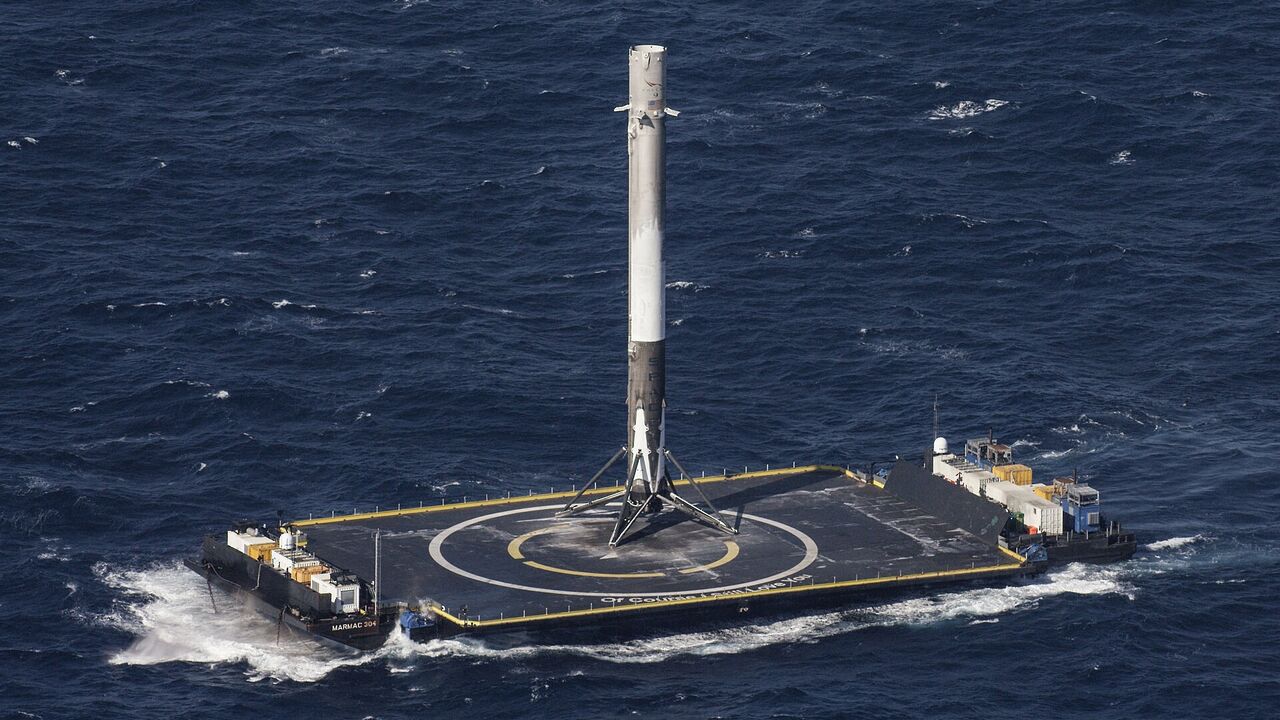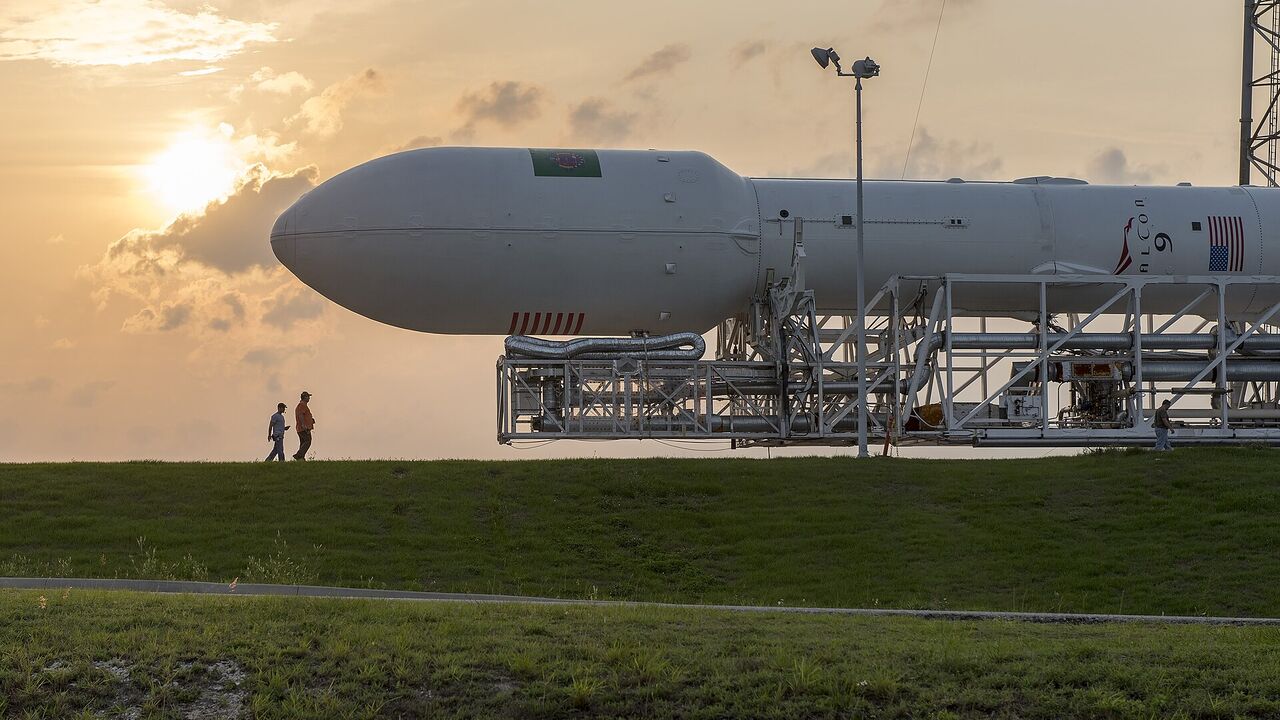
SpaceX was in talks to sell shares to insiders and new investors at roughly $212 apiece, valuing Elon Musk's rocket and satellite company at approximately $400 billion, according to a report first published July 8, 2025. The figure marked a jump from the roughly $350 billion valuation set in a December 2024 tender offer and set the stage for a similar transaction the company confirmed days later. Because SpaceX remains private, this kind of periodic tender is the only way most employees and early investors can turn paper equity into cash, and the tax treatment of that cash depends heavily on how the shares were originally granted.
What changed
SpaceX has for several years combined a primary fundraising round, in which the company issues new shares to outside investors, with a separate tender offer that lets employees and other existing holders sell a portion of their vested shares to a curated group of buyers. The July 2025 report described the next round of this cycle, with a share price near $212 implying the roughly $400 billion valuation. SpaceX does not receive proceeds from the employee-side tender; it is purely a liquidity event for sellers.
Who is affected
Anyone holding vested SpaceX equity who elects to sell into the tender faces a tax outcome that turns on the type of award and how long it has been held. Employees typically hold a mix of incentive stock options (ISOs), non-qualified stock options (NSOs) and, for some of the company's earliest hires, founder-era common stock that may qualify as Qualified Small Business Stock (QSBS). Each is taxed differently on the same $212 sale price.
The after-tax math
Selling NSOs is the simplest case: the spread between the exercise price and the $212 sale price is ordinary compensation income, taxed at rates up to 37% federally plus payroll tax, regardless of how long the option was held before exercise.
ISOs are more sensitive to timing. If an employee exercised the option more than one year before the sale and the grant itself is more than two years old, selling into the tender is a qualifying disposition and the gain is taxed at long-term capital gains rates, 0%, 15% or 20% federally, plus the 3.8% net investment income tax for high earners. Selling sooner than that turns the transaction into a disqualifying disposition, and the bargain element reverts to ordinary income treatment.
Example: an engineer holds 5,000 ISOs with an $8 exercise price, granted in 2021 and exercised in 2022, well past both ISO holding-period thresholds. Selling at $212 in the tender produces a $204-per-share gain, or $1,020,000. Taxed as a qualifying disposition at a combined 23.8% federal rate (20% long-term capital gains plus the net investment income tax), the federal tax bill is about $242,760. Had the same shares been exercised and sold within the same year, in a disqualifying disposition taxed as ordinary income at a combined 40.8% top rate, the bill would run closer to $416,160, a difference of roughly $173,000 before any state tax.
| Scenario | Gain per share | Effective federal rate | Tax on 5,000 shares |
|---|---|---|---|
| Qualifying ISO disposition | $204 | 23.8% | ~$242,760 |
| Disqualifying disposition / NSO | $204 | 40.8% | ~$416,160 |
QSBS adds another layer for the earliest holders. Stock issued directly by a qualifying small business, generally one with gross assets under $50 million at issuance, held more than five years can exclude a significant portion of gain from federal tax under Section 1202. SpaceX's gross assets almost certainly exceeded that threshold long ago, so QSBS eligibility is realistically limited to founders and very early employees who received original issuance stock before the company scaled, not to option grants made in recent years.
What to watch
SpaceX confirmed a similar transaction later in July 2025, and the company has continued to hold these tenders roughly twice a year. Each round resets the clock on holding periods for any shares acquired in the deal and creates a fresh decision point for employees on whether to sell, hold, or exercise additional options ahead of a future liquidity event. Households with concentrated private-company equity often coordinate the timing of an exercise or sale with a CPA to confirm holding-period status before committing to a tender.
Sources
- First reported SpaceX Valuation to Hit Around $400 Billion in Share Sale — Bloomberg
- SpaceX in talks to raise new funding at $400B valuation — Yahoo Finance
- Musk's SpaceX Plans Share Sale That Would Value Company at About $400 Billion — Bloomberg
After TAX is an independent publication. Articles are general information, not tax, legal or investment advice. Consult a licensed professional about your situation.