Coverage
State Taxes
Rates, residency and the cost of where you live.
34 stories
A union-backed ballot initiative would tax people who lived in California on January 1, 2026, which is why moves being discussed now, in the last days of 2025, matter more than any vote next November.
Eight states cut individual income tax rates for 2026 while New York extends its temporary surtaxes on high earners, reshaping the state bill for affluent households and anyone weighing a move.
The 2025-26 budget adds a refundable Working Pennsylvanians Tax Credit worth up to $805 and cuts the corporate rate again, while high earners keep one of the lowest flat rates in the country.
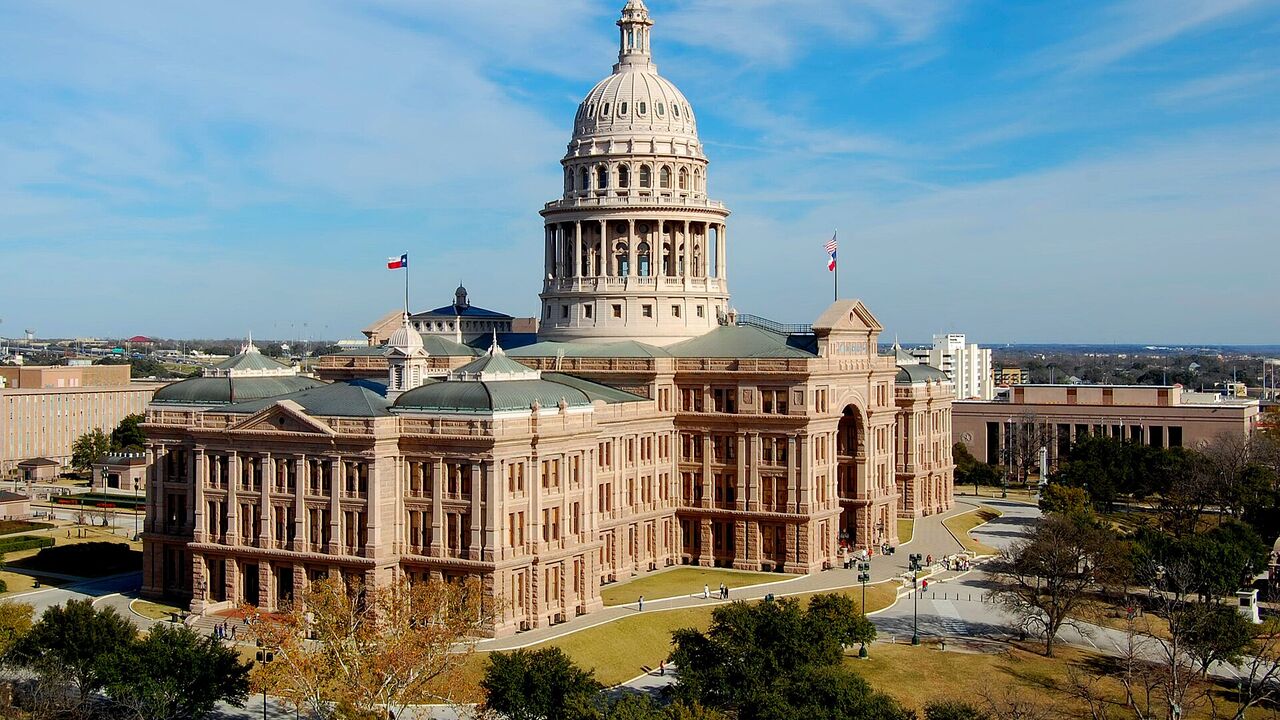
Two amendments passed on November 4, 2025 bar Texas from ever taxing capital gains, estates, inheritances or gifts, a permanent guardrail high earners weighing a move should understand.
The mayor-elect's proposed surtax on income above $1 million would stack on New York's already steep state and city rates, though it still needs the governor's and legislature's approval.
The District is weighing emergency legislation to reject expensing, tips, overtime and standard deduction changes from the July federal law for 2025, reopening numbers already baked into estimates.
The Tax Foundation's 2026 State Tax Competitiveness Index shows which states keep the most of a high earner's income, and which state governments took the biggest bites in 2025.
Florida's governor and House leaders are split over how to cut homestead property taxes. One House plan would phase out non-school levies on homes by 2037, a shift worth far more to high-value homeowners.
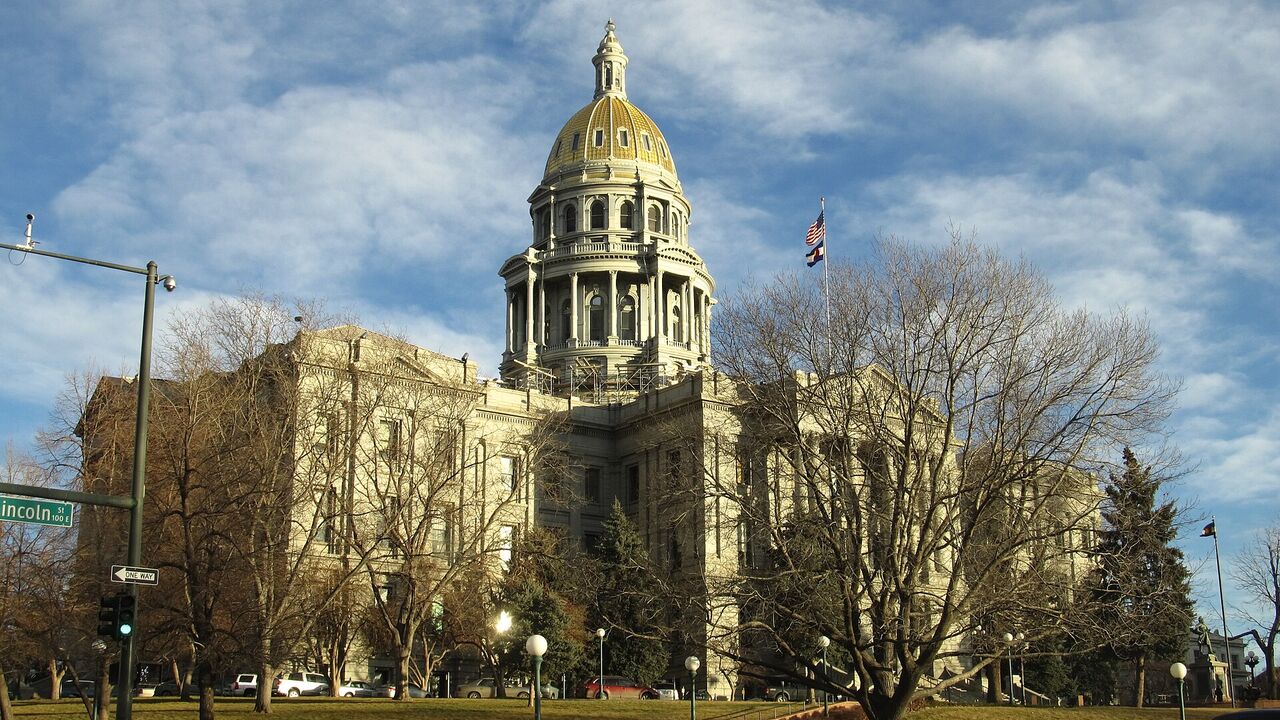
In an August 2025 special session, Colorado signed bills that keep taxing income the federal One Big Beautiful Bill Act now shields, raising state bills for owners of pass-through businesses.
Gov. Mike Kehoe signed House Bill 594, letting individuals deduct 100% of federally reported capital gains, short-term and long-term, starting with the 2025 tax year.