Coverage
State Taxes
Rates, residency and the cost of where you live.
28 stories
A new look at the Texas Senate race shows sharply different tax agendas, from new household deductions under Ken Paxton to higher taxes on billionaires and corporations under James Talarico.
Maryland has asked a circuit court to review tax court rulings that invalidated its digital advertising tax, keeping a legal fight alive over a levy tied to education funding and more than $500 million already collected.
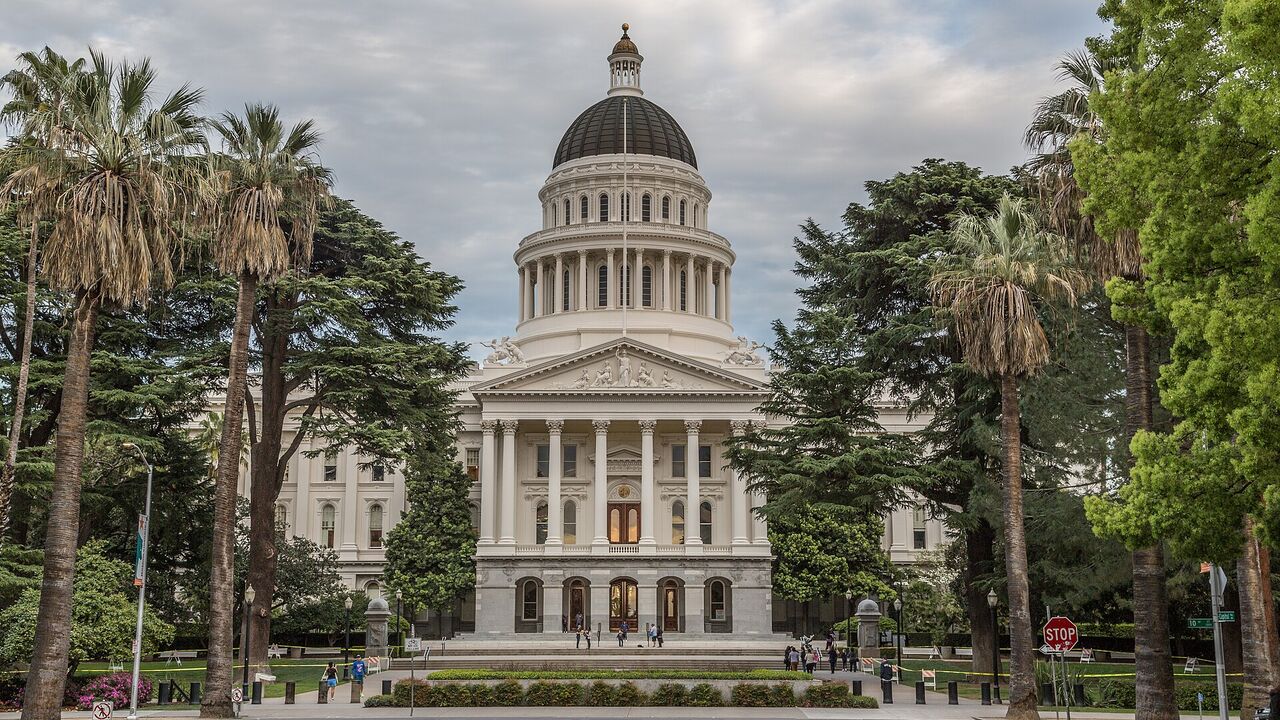
California voters will decide in November whether to impose a one-time 5% tax on the assets of roughly 250 billionaires, a proposal that could raise up to $100 billion but also faces competing measures that could block it.
NetChoice sued Illinois over a new digital advertising tax and a social media platform fee, arguing the measures target specific speakers and may raise First Amendment, commerce clause, and due process issues.
A California appeals court said San Francisco’s voter-approved Empty Homes Tax conflicts with state law, leaving a levy of $2,500 to $20,000 per vacant unit unenforceable for now.
A Fortune analysis found billionaires who left California for Florida ahead of a proposed wealth tax may have taken roughly $29 billion in potential state revenue with them, a case study in domicile timing.
The one-time 5% levy on net worth above $1 billion reaches back to a January 2026 residency date, taxes former residents and trusts, and could struggle in court, the analysis argues.
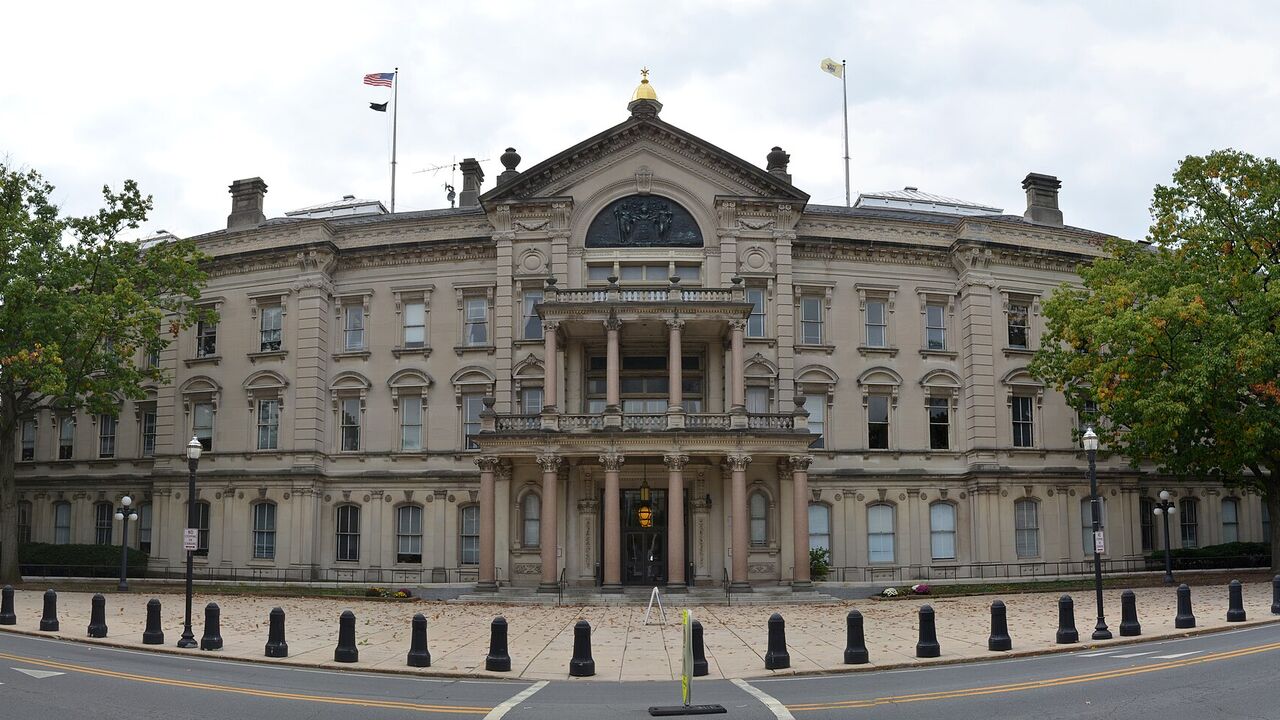
Retroactive to January 2026, New Jersey's FY27 budget cuts off the personal offset tied to the state's pass-through entity tax for owners with more than $1 million in income.
The measure taxes residents as of January 1, 2026, values their wealth at year-end and lets payers stretch the bill over five years, at a price that reaches deep into illiquid founder stock.
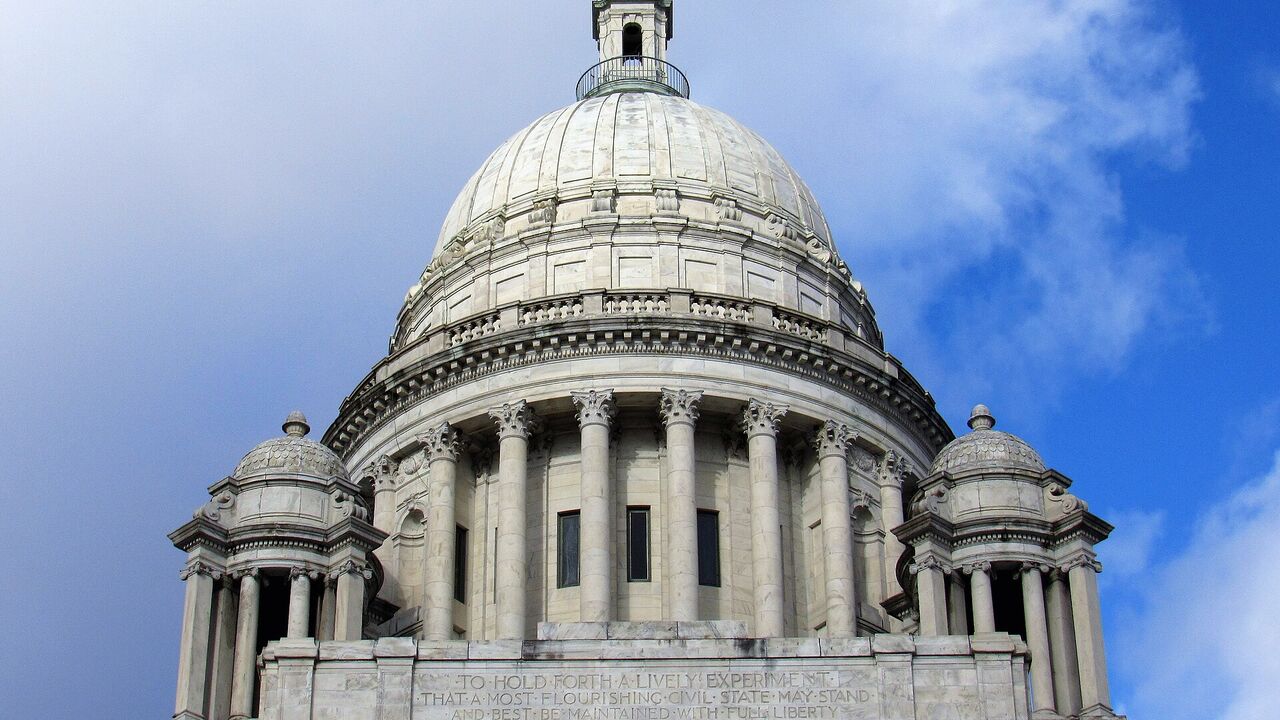
Gov. Dan McKee signed a $15.2 billion budget that adds one percentage point a year for three years on income above $1 million, taking the top rate from 5.99% to an effective 8.99%.
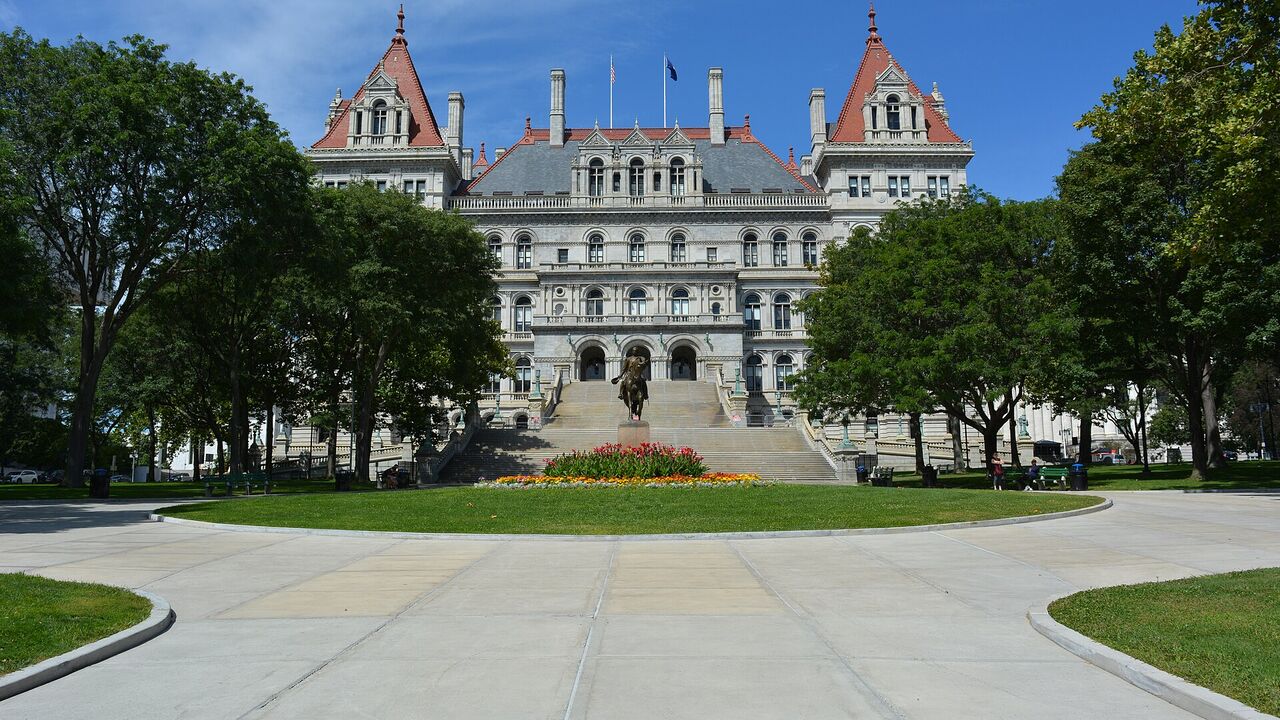
Albany's late budget creates a five-year surcharge on luxury New York City second homes, extends a higher corporate tax rate through 2029 and leaves personal income tax rates unchanged.
The 4% surtax on income above $1 million has now overshot its original $2 billion revenue projection for a third straight year, fueling interest from other states in copying the approach.
House Bill 463, passed on the final day of Georgia's session, speeds rate cuts toward 3.99%, raises standard deductions and drops several credits, reshaping the math for high earners weighing a Southeast move.
Invest in MI Kids suspended its petition drive for a 5% income-tax surtax above $500,000, but the group says it plans to try again for 2028, keeping the proposal on affluent Michigan households' radar.
A constitutional amendment would phase out Missouri's income tax using revenue-triggered cuts and a broader sales tax, one year after the state exempted capital gains entirely.
A new law would end Washington's status as an income-tax-free state for top earners starting in 2028, layering a 9.9% levy on top of the state's existing capital gains tax.
California's combined top marginal rate reaches 14.4% and NYC residents face up to 14.776%, even as Georgia, Indiana, Kentucky and six other states cut income tax rates on January 1.
A union-backed ballot initiative would tax people who lived in California on January 1, 2026, which is why moves being discussed now, in the last days of 2025, matter more than any vote next November.
Eight states cut individual income tax rates for 2026 while New York extends its temporary surtaxes on high earners, reshaping the state bill for affluent households and anyone weighing a move.
The 2025-26 budget adds a refundable Working Pennsylvanians Tax Credit worth up to $805 and cuts the corporate rate again, while high earners keep one of the lowest flat rates in the country.
Two amendments passed on November 4, 2025 bar Texas from ever taxing capital gains, estates, inheritances or gifts, a permanent guardrail high earners weighing a move should understand.
The mayor-elect's proposed surtax on income above $1 million would stack on New York's already steep state and city rates, though it still needs the governor's and legislature's approval.
The District is weighing emergency legislation to reject expensing, tips, overtime and standard deduction changes from the July federal law for 2025, reopening numbers already baked into estimates.
 September 17, 2026 at 9:54 AM PDT