The IRS reminded taxpayers on extension that filing now, rather than at the deadline, avoids the fall rush and unpaid balances that keep accruing interest and penalties regardless of the extension.
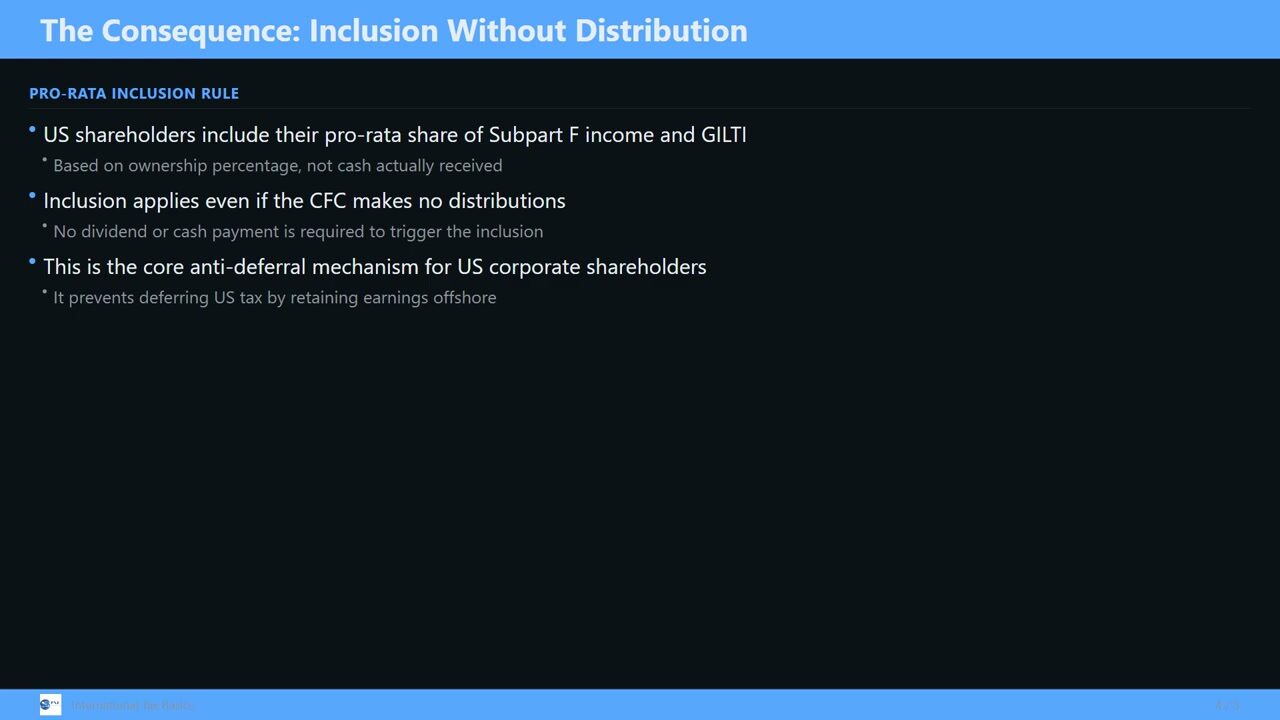
Proposed regulations would tax a founder's or investor's share of a foreign subsidiary's income based on how many days they held the shares, closing a planning window that let a mid-year seller escape the tax entirely.
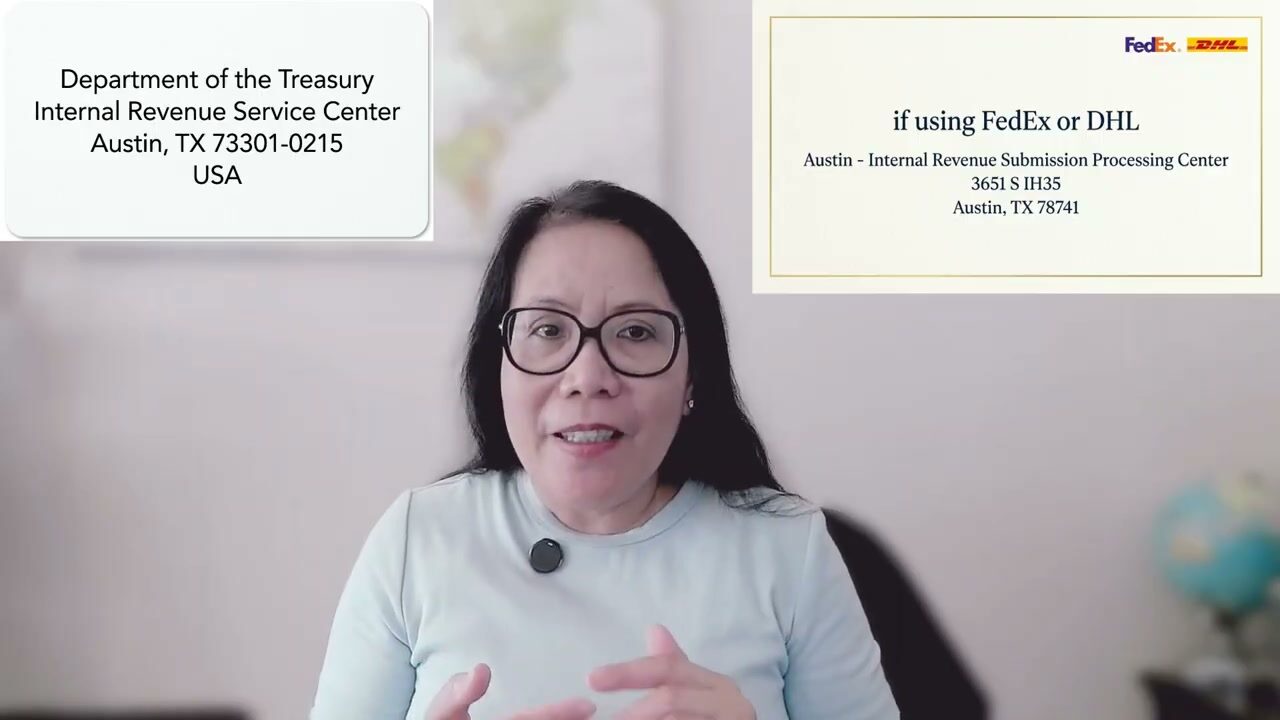
The IRS said its decades-old FIRE e-file system stops accepting 1099s and other information returns on November 19, 2026, forcing owners, landlords and family offices onto the newer IRIS platform.
A Tax Foundation survey found 24 of 35 European countries levy an estate, inheritance or gift tax, some above 80 percent, a stark contrast for American families with heirs or assets abroad.
A Fortune analysis found billionaires who left California for Florida ahead of a proposed wealth tax may have taken roughly $29 billion in potential state revenue with them, a case study in domicile timing.
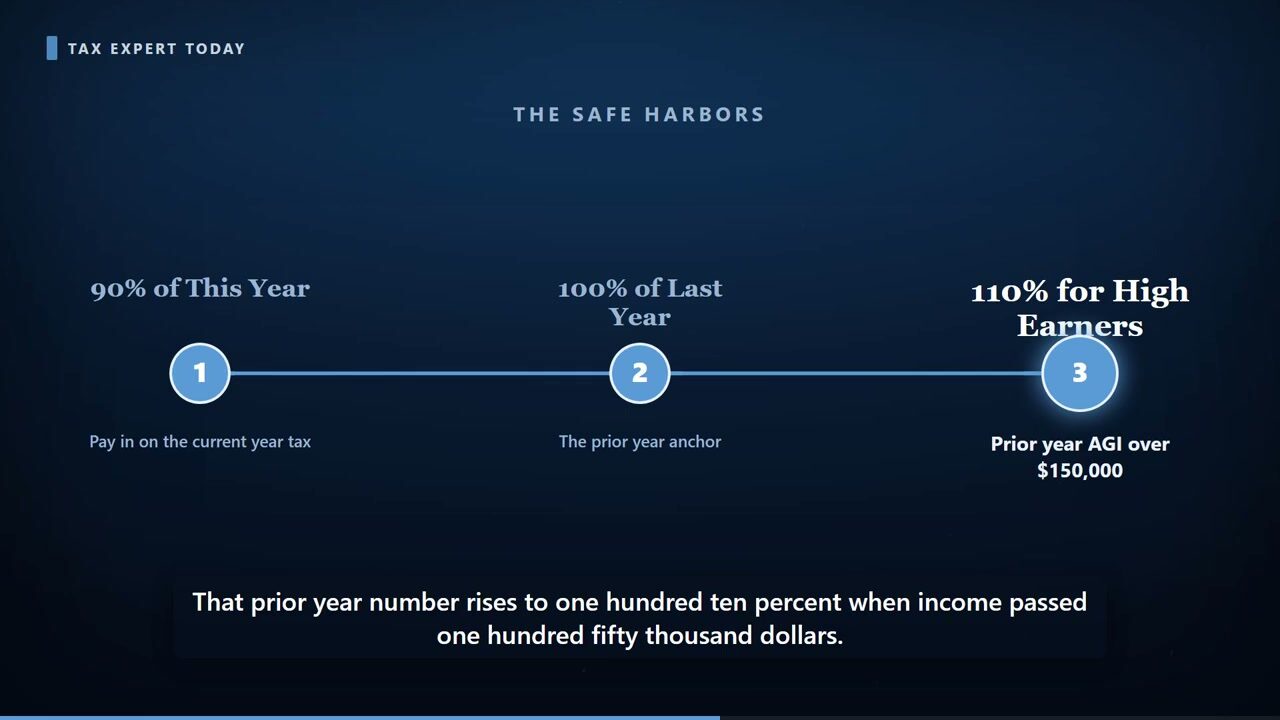
The IRS said interest on underpaid individual taxes will stay at 7 percent through year-end, a rate that quietly punishes high earners who skip estimated payments or extension balances.
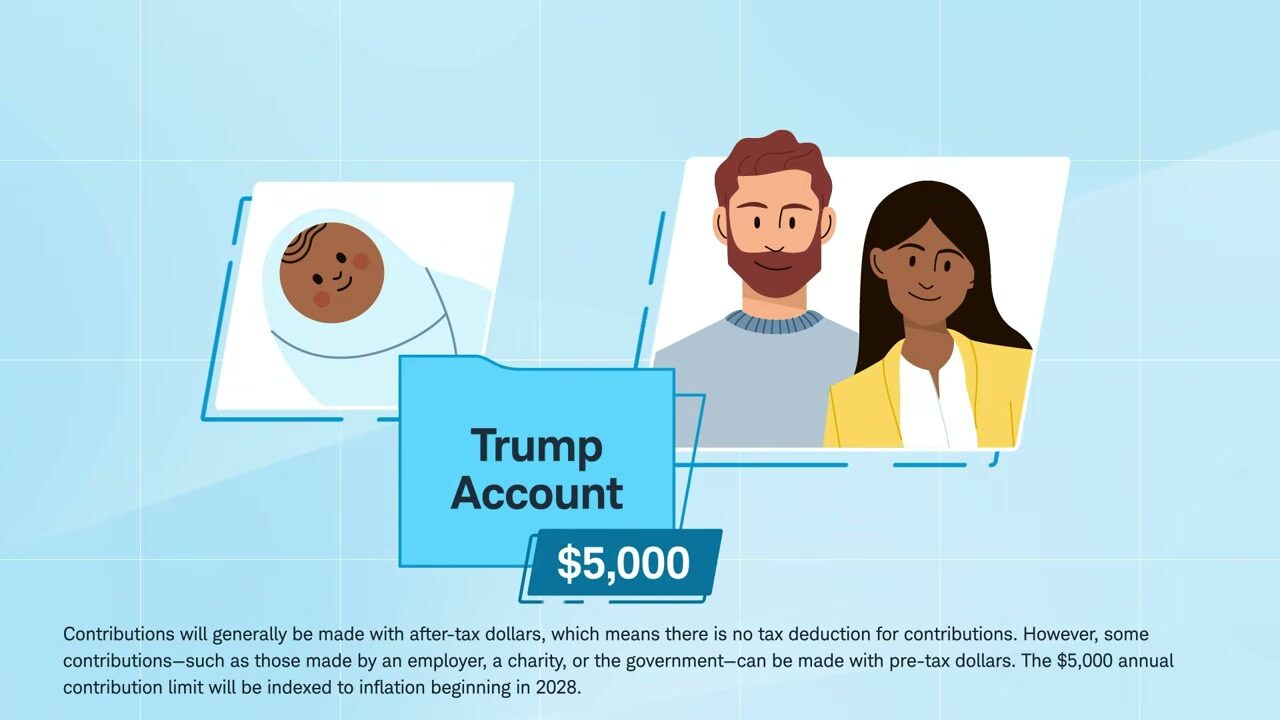
Treasury’s August 20 proposal bars sector, ESG and leveraged funds from Trump Accounts until the year a child turns 18, and caps fund costs at a tenth of a percent.
Inflation and health care top retirees' worries. For affluent households, the written plan that eases stress is largely a tax plan covering withdrawals, conversions and Medicare premiums.
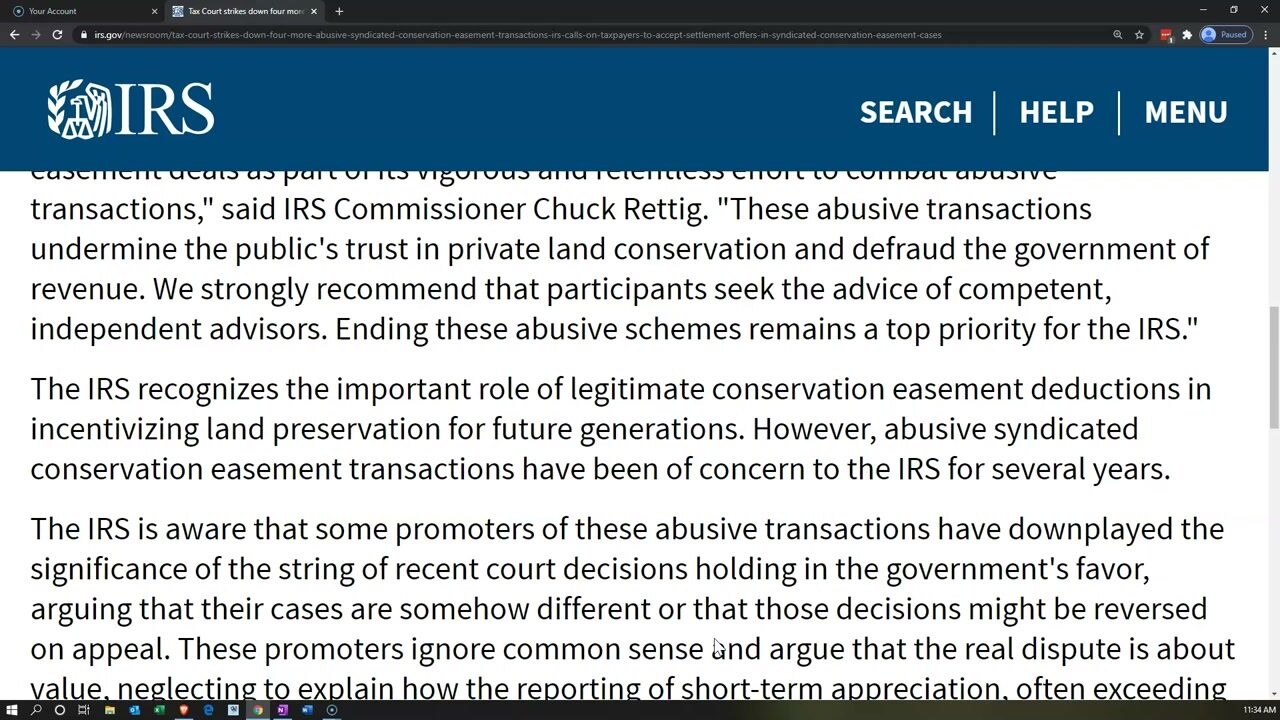
The Eleventh Circuit affirmed that a Georgia land partnership's charitable deduction for a conservation easement was limited to cost basis, plus a 40 percent penalty, a warning for real estate investors in syndicated easement deals.
The uniform deal announced in May is closed and its deadlines withdrawn. Investors in syndicated easement partnerships now face case-by-case talks with a new dedicated IRS office.
Fact Sheet FS-2026-14 restates the 30% cap after the depreciation add-back returned, sets a $32 million small-business test for 2026 and spells out what electing real estate firms give up.
Proposed rules published August 17 would drop a charitable information return for family trusts whose only deduction flows from a partnership or S corporation they own.
Notice 2026-49 lays out optional sample forms and a five-step process for direct rollovers under SECURE 2.0, and signals future rules that could end mailing rollover checks to participants.
The one-time 5% levy on net worth above $1 billion reaches back to a January 2026 residency date, taxes former residents and trusts, and could struggle in court, the analysis argues.
The regulations explain how a business can fund children's Trump accounts as an employee benefit, and how nondiscrimination tests limit programs that favor owners and top earners.
Current and former staff sold stock in the company's third tender offer. How much they keep depends on holding periods, how the shares were acquired and, for many, California's treatment of gains.
Guidance on the now-permanent Section 45S credit explains how companies can base the credit on leave insurance premiums and extends eligibility to part-timers working 20 hours a week.
With more than $160 billion of noncash donations claimed for 2023, examiners are denying deductions for technical failures rather than fighting over what art, private stock or IP is worth.
 August 31, 2026 at 3:15 PM PDT