Treasury set out how states can elect into the Section 25F credit for cash gifts to scholarship-granting organizations, a dollar-for-dollar benefit that outvalues a deduction for top-bracket donors.
Notice 2026-5 confirms that more families and self-employed owners can fund a health savings account next year, and that monthly direct primary care fees up to $150, or $300 for families, can be paid tax-free.
A tender at roughly double July's price would hand SpaceX staff a large liquidity window before a possible 2026 IPO, and the tax bill depends on whether shares came from RSUs, ISOs or purchases.
Notice 2025-68 spells out who can open the new children's accounts, how the $1,000 pilot deposit works, what employers may add tax-free and why most of the money will not carry tax basis.
The $250-per-child gift uses the new qualified general contribution route, a structure that lets foundations and charities fund a whole class of children at once, outside the $5,000 annual cap.
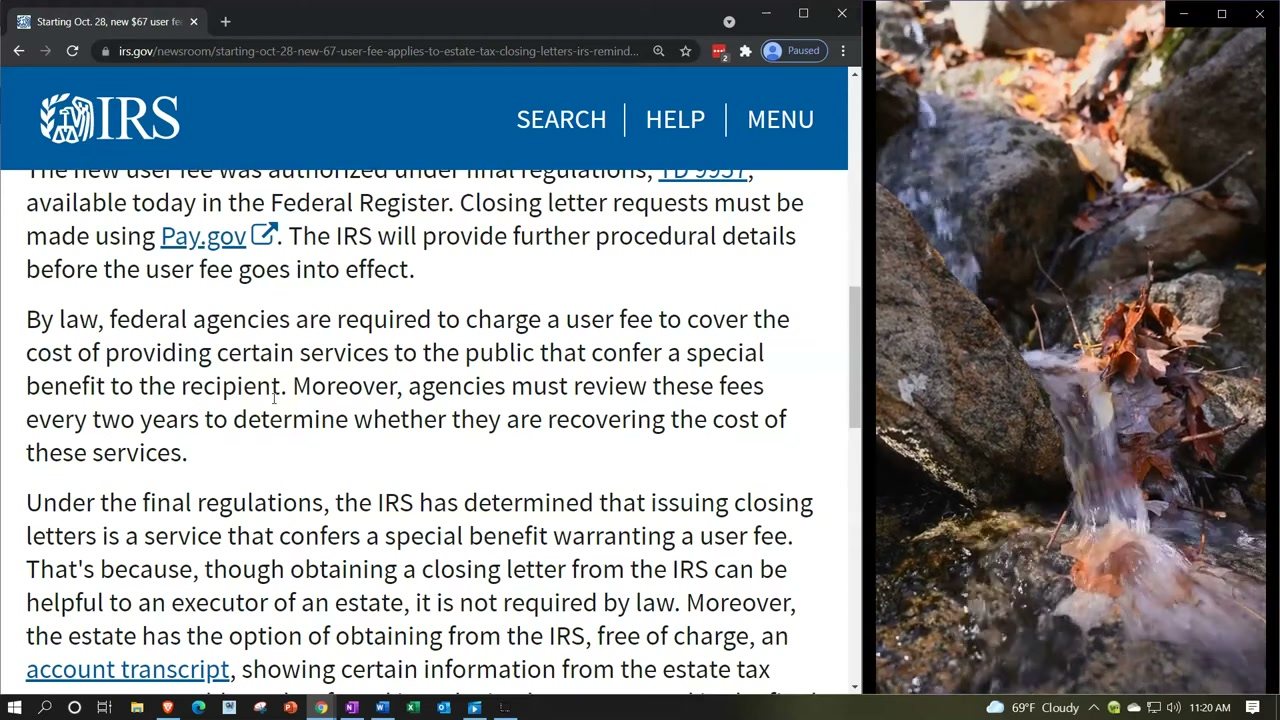
A finalized rule keeps Letter 627 at $56 instead of $67, closing the door on any reversal as executors of large 2025 estates prepare to request it.
Starting with 2025 returns, the IRS plans to apply first-time abatement without a request. Filers with large balances and a clean three-year record stand to keep the most.
CMS set 2026 premiums and income-related surcharges based on 2024 tax returns. A single dollar over a bracket line can add thousands of dollars a year for a married couple.
The annual inflation update raises deferral, IRA and total contribution ceilings, and lifts to $150,000 the wage line above which catch-up contributions must go in as Roth.
The 2025-26 budget adds a refundable Working Pennsylvanians Tax Credit worth up to $805 and cuts the corporate rate again, while high earners keep one of the lowest flat rates in the country.
A new equal-weight US stock fund will accept in-kind contributions under Section 351, a decades-old rule that lets investors with embedded gains diversify without an immediate tax bill.
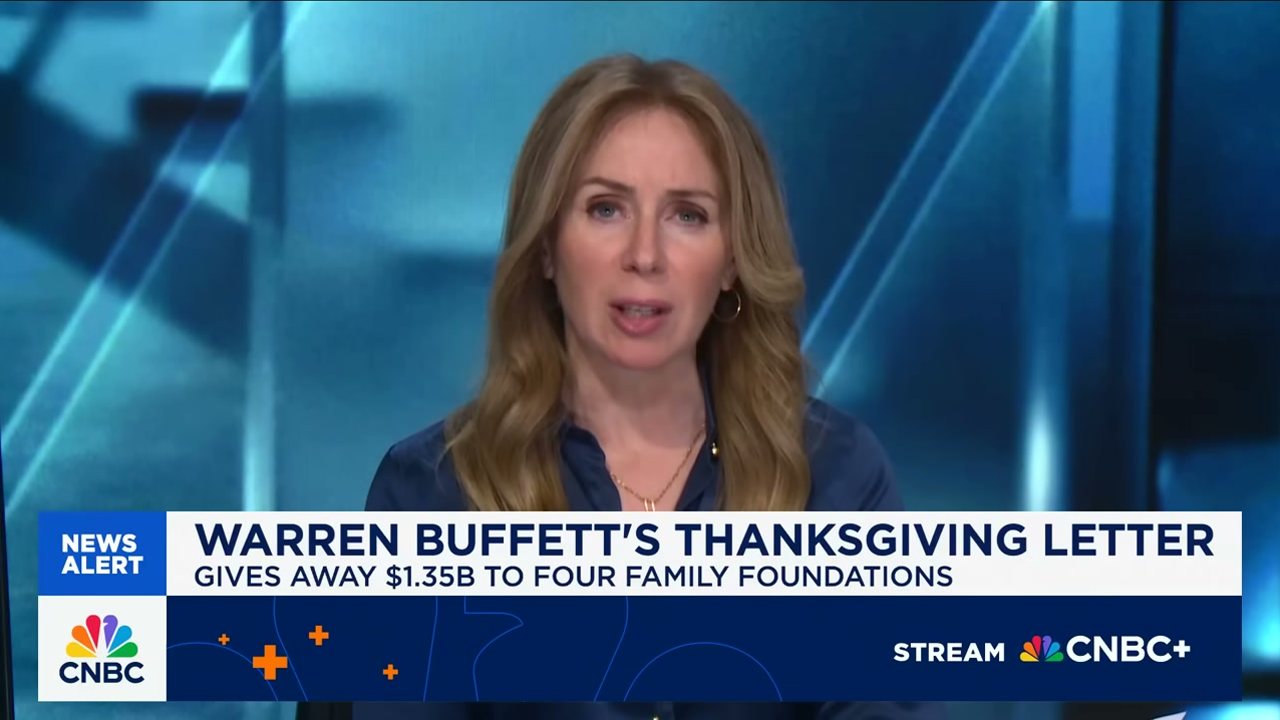
At 95, Warren Buffett converted 1,800 Class A shares into B shares worth more than $1.3 billion and said he will accelerate gifts while his children can still run the foundations.
Shareholders backed a 12-tranche restricted stock grant worth up to $1 trillion. The tax mechanics behind it apply, at smaller scale, to every executive holding performance shares.
Justices on both sides pressed the administration on emergency tariff powers. If the tariffs fall, importers' refunds may hinge on customs deadlines that start running long before a ruling.
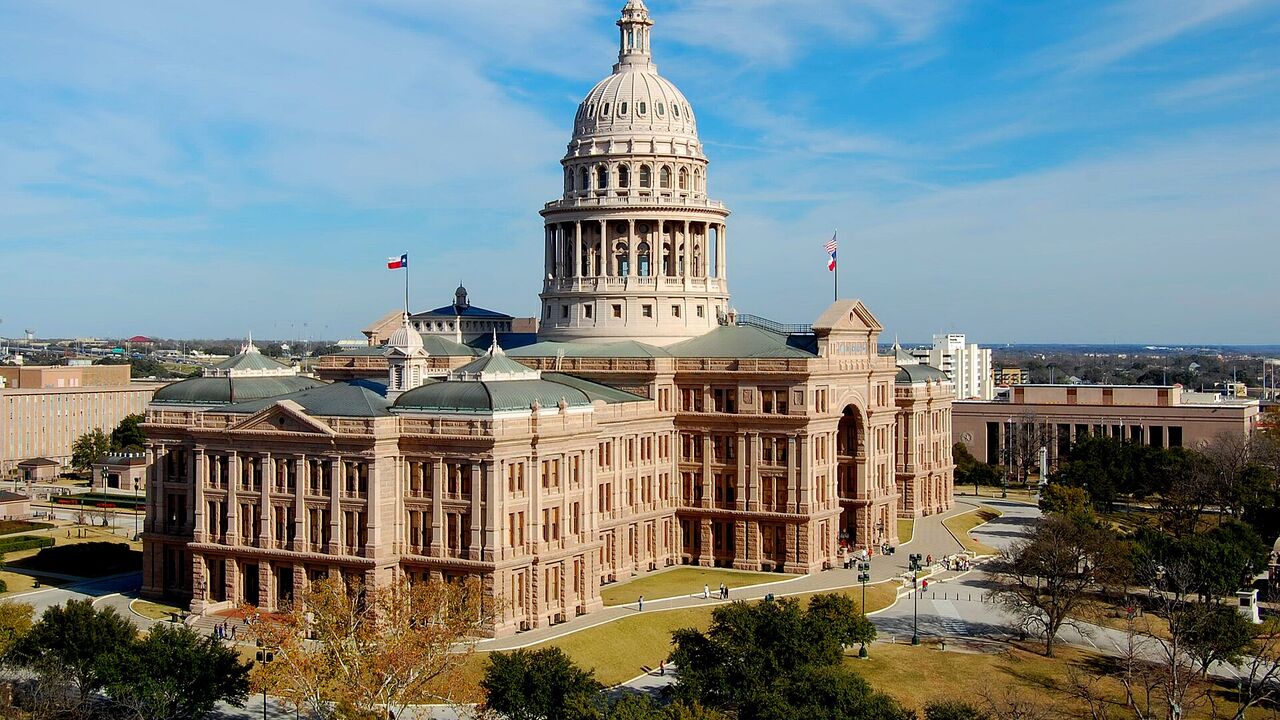
Two amendments passed on November 4, 2025 bar Texas from ever taxing capital gains, estates, inheritances or gifts, a permanent guardrail high earners weighing a move should understand.
The mayor-elect's proposed surtax on income above $1 million would stack on New York's already steep state and city rates, though it still needs the governor's and legislature's approval.
The District is weighing emergency legislation to reject expensing, tips, overtime and standard deduction changes from the July federal law for 2025, reopening numbers already baked into estimates.
Navan priced its IPO at $25 a share and fell 20% on its first day of trading. For employees with RSUs, a drop after a taxable settlement raises withholding, loss and wash sale questions.
Florida's governor and House leaders are split over how to cut homestead property taxes. One House plan would phase out non-school levies on homes by 2037, a shift worth far more to high-value homeowners.
High earners will pay Social Security tax on $8,400 more of wages next year, costing up to $521 each for employee and employer. Retirees get a 2.8% raise that can nudge more benefits into taxable income.
Payment apps and online marketplaces need not issue a 1099-K unless a payee tops both $20,000 and 200 transactions. Fewer forms change what the IRS sees, not what counts as taxable income.
New IRS FAQs explain how the July tax law cuts off unpaid Employee Retention Credit claims for late 2021 filed after Jan. 31, 2024, while a longer assessment period keeps paid claims open to review.
The IRS's 2026 inflation adjustments raise the joint standard deduction to $32,200, hold the gift exclusion at $19,000 and set the thresholds that matter most for bracket, gifting and trust planning.
A newly created position puts one person atop both the IRS and Social Security Administration heading into the 2026 filing season, alongside a leadership change over IRS enforcement.