Coverage
Income Tax
Brackets, deductions and the math of a high income.
27 stories
Early 2027 estimates point to higher federal income-tax thresholds, with the top 37% bracket potentially starting at $793,650 for joint filers and $661,375 for single filers.
The higher SALT deduction cap opens a larger federal write-off for some homeowners in high-tax areas, but a phase-down above $500,000 of MAGI and regional gaps sharply limit who benefits.
The House Ways and Means Committee approved legislation that would repeal the new 90% cap on gambling loss deductions, but the change still needs House, Senate and presidential approval before 2027.
New projections reported Sept. 15 suggest the IRS could raise 2027 federal income tax brackets by 3.2%, modestly widening thresholds across all seven rates if the agency follows through this fall.
New projections reported Sept. 14 suggest the IRS could lift all seven federal income tax brackets by 3.2% for 2027, a larger adjustment than the 2.7% increase used for 2026.
With the IRS promoting Direct Pay ahead of the September 15 deadline, households with tender offers, IPO sales or large gains face a 7% interest charge on underpaid installments.
The IRS reminded taxpayers on extension that filing now, rather than at the deadline, avoids the fall rush and unpaid balances that keep accruing interest and penalties regardless of the extension.
The IRS said interest on underpaid individual taxes will stay at 7 percent through year-end, a rate that quietly punishes high earners who skip estimated payments or extension balances.
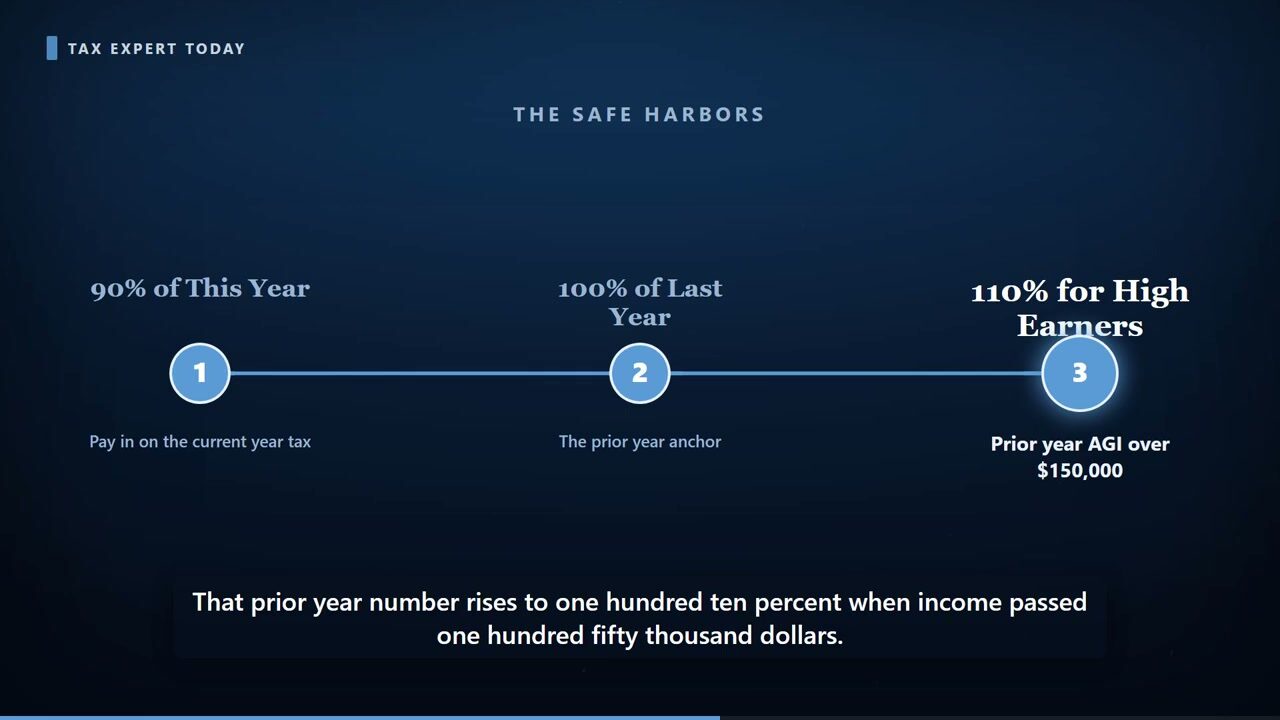
Second-quarter estimated payments for 2026 are due June 15. High earners with equity vests, gains or K-1 income face a stricter prior-year test, and IRS underpayment interest runs at 6% to 7%.
The IRS 2025 Data Book shows audit exposure rising steeply with income, with the sharpest jump above $5 million, and about $175,000 of proposed tax per closed audit at the very top.
The IRS reminded taxpayers that Form 4868 pushes the filing deadline to October 15, but any balance owed is still due April 15, a distinction that matters most for K-1 recipients and business owners who routinely extend.
Early 2026 filing-season data shows refunds up 11%, overtime deduction claims double the projection, and the SALT cap increase delivering roughly a quarter of the new law's tax cuts to high-income households.
The retooled online calculator now factors in the tips, overtime, senior and car-loan-interest deductions, giving high earners a way to rework their 2026 W-4 before a surprise tax bill or penalty arrives.
The IRS's new Schedule 1-A bundles four temporary deductions into one form, and its line-by-line phaseout math determines whether affluent households get any benefit at all.
IRS statistics for the week ending February 13, 2026 show fewer people have filed, but the average refund has climbed to $2,476, the first hard evidence that OBBBA's retroactive tax cuts are reaching bank accounts.
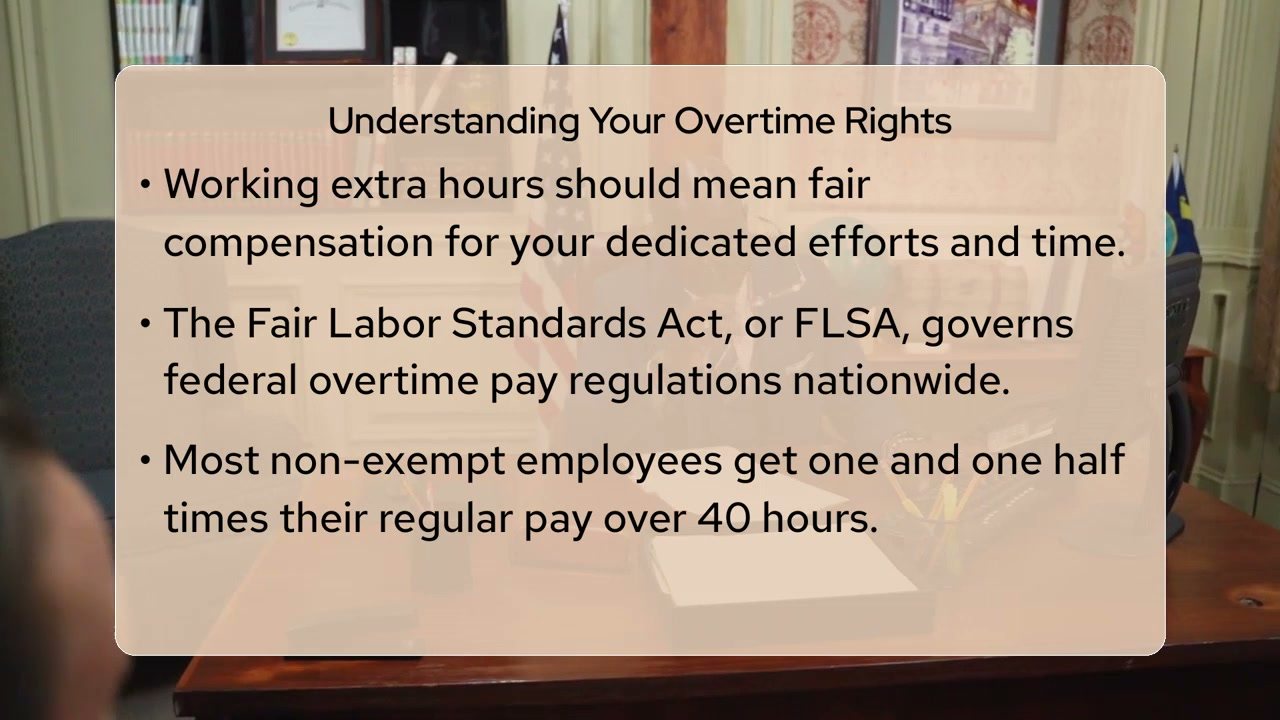
Treasury's answers make clear that salaried exempt professionals get nothing and that only the half in time-and-a-half counts, though some affluent households may still claim it through a spouse or relative.
The 2025 tax law cut individual taxes by about $129 billion, but paycheck withholding was never updated, so much of that cut, including the $40,000 SALT cap, arrives as a refund this spring.
About 164 million individual returns are expected by the April 15 deadline, the first to reflect the $40,000 SALT cap and a new schedule for deductions on tips, overtime, car loan interest and seniors.
Treasury's proposed regulations define which US-assembled vehicles and loans qualify and create new lender reporting, but the benefit fades above $100,000 of income, or $200,000 for joint filers.
Taxpayers with unreported income or offshore accounts would get a fixed penalty menu and three months to file and pay in full under the proposal, now open for public comment until March 22, 2026.
The IRS's first 2026 get-ready notice is mostly about paperwork and direct deposit, but for high earners the run-up to January 1 also means a last chance to use several rules before they tighten under the new tax law.
Starting with 2025 returns, the IRS plans to apply first-time abatement without a request. Filers with large balances and a clean three-year record stand to keep the most.
The IRS says the government shutdown does not move the Oct. 15 deadline for 2024 returns. For extended filers, penalties, SEP contributions and payment plans all hinge on filing on time.
 September 17, 2026 at 2:33 AM PDT